




Creator
  • Type:
  • Genre:
  • Duration:
  • Average Rating:
Log In
 
  • Marketplace
Log In
 
  • Type:
  • Genre:
  • Duration:
  • Average Rating:
  • Marketplace

Economy News

Private Sector Credit Rises to N75.8 Trillion in December 2025, CBN Data Shows

  • dollaers
  • January 26, 2026
  • Economy News
  • 0 comments

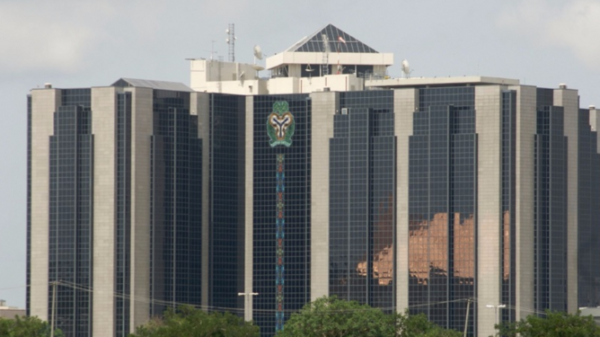
Private sector credit climbed to N75.8 trillion in December 2025, up from N74.63 trillion in November, signalling a modest rebound in lending activity toward the end of the year, according to the latest monetary and credit statistics released by the Central Bank of Nigeria (CBN).

The month-on-month increase of about N1.17 trillion suggests a gradual improvement in lending momentum after several months of subdued credit growth. However, despite the rebound, overall credit levels remain below their highs from the previous year, highlighting the cautious and uneven nature of the recovery.

CBN data show that while lending improved in December, private sector credit is still below the N78.02 trillion recorded in December 2024, indicating that banks have yet to fully restore credit expansion to earlier levels. This reflects continued prudence among lenders amid lingering macroeconomic uncertainties and tight financial conditions for most of 2025.

Over the course of the year, private sector credit fluctuated within a wide range of N72 trillion to N78 trillion, underscoring volatility in financial conditions. Lending opened 2025 at N77.3 trillion in January, rose to a peak of N78.07 trillion in April, and then entered a sustained decline from May onward. The downturn was largely driven by restrictive monetary conditions, heightened risk aversion by banks, and broader economic headwinds.

The December uptick therefore represents a partial recovery rather than a full reversal of the year’s earlier contraction. Still, it points to renewed lending momentum following months of uneven performance and suggests that recent monetary policy adjustments may be starting to influence credit behaviour within the banking system.

Beyond private sector lending, the data also show a sharp rise in net domestic credit, which measures total lending to both the government and the private sector. Net domestic credit increased to N110.05 trillion in December 2025, from N100.98 trillion in November. On a year-on-year basis, it rose from N105.16 trillion in December 2024, reflecting sustained growth in overall domestic lending.

The expansion in net domestic credit indicates increased borrowing activity across the economy, driven largely by higher government financing needs alongside continued, though uneven, credit extension to businesses and households.

Recent monetary policy decisions provide additional context for the evolving credit environment. In September 2025, the Monetary Policy Committee (MPC) cut the Monetary Policy Rate (MPR) by 50 basis points to 27%, signalling a cautious shift toward easing. Although the MPC maintained the MPR at 27% in November, it adjusted the interest rate corridor to discourage banks from placing excess liquidity with the CBN, a move aimed at incentivising lending to the real economy.

Supporting this trend, Nigeria’s broad money supply (M3) rose to N124.4 trillion in December 2025, from N122.95 trillion in November, reflecting expansion in liquidity within the financial system. The increase was driven by movements in both net foreign assets (NFA) and net domestic assets (NDA) of the banking sector.

Overall, while the December rise in private sector credit points to improving conditions, the data suggest that lending activity remains in a fragile recovery phase, with banks still balancing growth opportunities against persistent economic risks.

Kogi State to Raise N50 Billion Sukuk for Airport and Markets from March 2026

  • dollaers
  • January 23, 2026
  • Economy News
  • 0 comments

The Kogi State Government has announced plans to raise N50 billion through a sukuk issuance to finance the construction of an international airport and a modern international market, with the programme expected to commence by March 2026.

The disclosure was made by Governor Ahmed Ododo at an investor engagement and market sensitisation forum held in Abuja, according to the News Agency of Nigeria (NAN).

According to the state government, the planned sukuk will serve as the administration’s flagship infrastructure financing strategy, designed to accelerate economic transformation, unlock Kogi’s strategic location, and boost internally generated revenue.

Infrastructure-focused sukuk

State officials explained that the sukuk will be fully asset-backed and deployed strictly for infrastructure development, in line with Islamic finance principles. The proceeds will be applied exclusively to the Kogi State International Airport project and the Lokoja International Market, both of which are expected to be revenue-generating assets.

Speaking at the forum, the Commissioner for Finance, Budget and Economic Planning, Mr Asiru Idris, stressed that the financing plan is infrastructure-driven and consumption-free.

“This N50 billion sukuk is for infrastructure, not consumption. Today, we are presenting a clear and transparent investment proposition. It is specifically for the Kogi State International Airport and the Lokoja International Market,” Idris said.

Also speaking, the Managing Director of AVA Capital Group, Mr Kayode Fadahunsi, described the planned issuance as a textbook infrastructure sukuk, noting that the projects are capable of paying for themselves over time.

According to him, the airport and market developments can expand Kogi State’s internally generated revenue base while supporting sukuk repayments through project-linked cash flows.

Economic context

Kogi State has historically faced challenges in developing large-scale infrastructure, despite its strategic position linking northern and southern Nigeria. Successive administrations have identified transport, logistics, and commercial infrastructure as critical to unlocking the state’s economic potential and attracting private investment.

The state government believes that the proposed airport and international market will strengthen trade, logistics, and investment flows, positioning Kogi as a key commercial hub in the country.

What you should know

State officials disclosed that all key institutional approvals required for the sukuk issuance have already been secured. These include approvals from the Kogi State Executive Council and the Kogi State House of Assembly.

To further strengthen investor confidence, the state has submitted an application for an Irrevocable Standing Payment Order (ISPO) to the Federal Government. The bidding process for the airport project is also expected to commence within weeks.

In addition, financial advisers, technical consultants, and project partners have already been engaged to ensure effective execution and value-for-money delivery. A Sharia Advisory Board and an Independent Project Management Committee will also be constituted to oversee compliance, governance, and transparency throughout the life of the sukuk.

At the national level, the Debt Management Office (DMO) recently disclosed that the Federal Government has recorded N2.205 trillion in total subscriptions through the Sovereign Sukuk programme since its debut in 2017.

Earlier, in May 2025, the DMO announced the issuance of a N300 billion seven-year Ijarah Sukuk, targeted at funding critical road and bridge infrastructure across Nigeria’s six geopolitical zones, underscoring the growing role of sukuk instruments in public infrastructure financing.

Edun to Address Inflation, FX Stability, and Fiscal Policy at Davos 2026

  • dollaers
  • January 19, 2026
  • Economy News
  • 0 comments

Nigeria’s Minister of Finance and Coordinating Minister of the Economy, Wale Edun, is set to engage global investors and policymakers at the World Economic Forum (WEF) Annual Meetings in Davos, where he will address concerns around inflation management, foreign exchange stability, policy consistency, and long-term fiscal sustainability.

The engagement forms part of Nigeria’s official participation at the WEF meetings scheduled for January 19–23, 2026, according to information from the Federal Ministry of Finance. Nigeria’s presence at Davos comes at a time of heightened global uncertainty, with the government positioning the country as a reform-oriented and increasingly stable emerging market seeking deeper engagement with investors and development partners.

What the government is saying

Nigeria’s message at Davos 2026 is anchored on demonstrating reform credibility and macroeconomic discipline in a fragmented global economy. Authorities say the country is committed to sound macroeconomic management and market-oriented reforms, while highlighting improving growth performance, moderating inflation trends, and strengthening external buffers as outcomes of policy actions implemented since May 2023.

The government is also pointing to renewed international confidence, including Nigeria’s removal from major global financial grey lists, as evidence that reforms are delivering measurable outcomes rather than deferred promises.

Nigeria’s delegation to WEF 2026 is led by Kashim Shettima, with Minister Edun participating as an invited VIP engaging global leaders, international investors, development finance institutions, ratings agencies, and global media.

The theme of WEF 2026, “The Spirit of Dialogue,” reflects mounting global challenges such as rising protectionism, tightening capital flows, geopolitical tensions, and weakening multilateral cooperation. Nigerian authorities say their engagement is built around dialogue anchored in reform credibility, institutional strength, and macroeconomic discipline, including reaffirming the operational independence of the Central Bank of Nigeria.

What this means for investors

For investors and development partners, Nigeria’s participation signals a willingness to directly confront the concerns that often weigh on investment decisions in emerging markets. Minister Edun’s engagements are expected to focus on improving policy predictability, stabilising the foreign exchange market, managing inflationary pressures, and strengthening fiscal sustainability.

The discussions are also intended to reinforce Nigeria’s positioning as a reform anchor within Africa, while deepening engagement with institutional investors, particularly from Europe and the United Kingdom. Officials say the approach prioritises listening alongside signalling, as part of efforts to sustain confidence in Nigeria’s macroeconomic direction.

Why it matters

Nigeria’s Davos strategy goes beyond visibility and aims to convert high-level dialogue into concrete investment outcomes. Over the past two years, the government has initiated multiple investment discussions across sectors including energy, infrastructure, manufacturing, agriculture, technology, and financial services.

Davos 2026 is being positioned as a platform to move several of these engagements closer to financial close by addressing practical investor concerns and policy bottlenecks. Authorities say this marks a shift from broad-based investment promotion to targeted problem-solving designed to unlock delayed capital flows.

What you should know

Nigeria’s messaging at WEF 2026 is shaped by wider global realities affecting emerging markets. Capital flows to developing economies have tightened, debt burdens are rising, global trade rules are evolving, and climate finance remains unevenly distributed. At the same time, technology-driven shifts in labour markets are outpacing job creation in many regions.

Against this backdrop, Nigeria is seeking to present itself as reform-focused, institutionally credible, and open for long-term capital. As previously reported, the country will also debut its first official national pavilion, Nigeria House Davos, at the 56th Annual Meeting of the World Economic Forum—underscoring its push to deepen structured engagement with the global investment community.

Trump Unveils 10% Tariffs on Key European Economies, Ties Measures to Greenland Push

  • dollaers
  • January 18, 2026
  • Economy News
  • 0 comments

Donald Trump has announced a fresh wave of tariffs on several European countries, escalating diplomatic tensions by directly linking the trade measures to his long-standing demand for the United States to take control of Greenland.

In a statement released on Friday, the US president said a 10% tariff would be imposed on “any and all goods” imported into the United States from a group of European nations beginning February 1. Trump warned that the tariffs would rise sharply later in the year if his demands are not met, signalling that the move is intended as both an economic and political pressure tool.

The announcement has already triggered strong reactions across Europe, including protests in Denmark and Greenland, where political leaders and citizens have again rejected any suggestion that the Arctic island is for sale.

What Trump announced

According to Trump, the initial 10% tariffs will apply to imports from Denmark, Norway, Sweden, France, Germany, the United Kingdom, the Netherlands, and Finland. He added that the rate would increase to 25% from June 1, 2026, if negotiations fail to produce what he described as a “deal” over Greenland.

“This Tariff will be due and payable until such time as a Deal is reached for the Complete and Total purchase of Greenland,” Trump wrote on Truth Social.

He argued that Denmark and other European countries have benefited for decades from preferential access to the US market, claiming the United States had effectively subsidised them through low or zero tariffs.

“We have subsidised Denmark, and all of the Countries of the European Union, and others, for many years by not charging them Tariffs or any other forms of remuneration,” Trump said. “Now, after centuries, it is time for Denmark to give back. World Peace is at stake!”

Greenland at the centre of the dispute

Trump also revived security arguments around Greenland, pointing to rising geopolitical competition in the Arctic. He claimed that China and Russia are increasingly interested in the island and questioned Denmark’s capacity to defend it.

“They currently have two dogsleds as protection, one added recently,” he wrote, adding that “Only the United States of America, under PRESIDENT DONALD J. TRUMP, can play in this game, and very successfully, at that.”

Greenland is the world’s largest island and an autonomous territory within the Kingdom of Denmark. While it governs its domestic affairs, Copenhagen retains control over defence and foreign policy. Both Danish and Greenlandic leaders have repeatedly stressed that the territory is not for sale, dismissing Trump’s renewed rhetoric as unacceptable.

Why it matters

The tariffs risk opening a new front in transatlantic trade relations at a time when global supply chains remain fragile. European exporters in sectors ranging from machinery and automobiles to pharmaceuticals and consumer goods could face higher costs and reduced competitiveness in the US market if the measures take effect.

Politically, the move underscores Trump’s willingness to use trade policy as leverage in geopolitical disputes. It also revives memories of his first-term proposal to buy Greenland, which was widely criticised by European allies and rejected outright by Denmark and Greenland.

What you should know

  • Greenland is an autonomous territory within the Kingdom of Denmark, with Denmark controlling defence and foreign affairs.

  • Trump first floated the idea of purchasing Greenland during his first term, a proposal that was quickly dismissed by Danish and Greenlandic authorities.

  • The new tariffs are set to begin on February 1, 2026, with a threat of escalation to 25% by June if no agreement is reached.

  • The announcement follows Trump’s recent decision to impose a 25% tariff on goods from countries that continue to do business with Iran, further signalling a more confrontational trade stance.

If implemented, the tariffs could significantly reshape US–Europe trade relations, while deepening political rifts over security, sovereignty, and the future of the Arctic.

Fresh CPI Rebasing Pushes Nigeria’s 2025 Inflation Higher Across Months, Even as Disinflation Persists

  • dollaers
  • January 17, 2026
  • Economy News
  • 0 comments

Nigeria’s inflation profile for 2025 has been comprehensively revised upward following a methodological overhaul of the Consumer Price Index (CPI) by the National Bureau of Statistics (NBS), despite clear evidence that inflationary pressures eased steadily toward the end of the year.

The revision follows the CPI rebasing exercise unveiled in December 2025, which altered how year-on-year inflation is calculated. A comparison between the inflation series published with the November 2025 CPI report and the revised figures released in December shows that headline inflation was higher in every month from January to November 2025 than previously reported.

Importantly, the upward adjustments do not reflect new price shocks or a deterioration in economic conditions. Instead, they stem from a statistical re-anchoring of the inflation base, designed to improve accuracy, stability, and international comparability.

What changed in the CPI methodology

Before December 2025, Nigeria’s year-on-year inflation for 2025 was measured using a single-month reference base under the old 2009 CPI framework. Under the revised approach, the NBS rebased the CPI using a 12-month average reference period for 2024, setting the average index level for the year at 100.

According to the bureau, retaining a single-month base would have amplified base effects and exaggerated year-on-year inflation readings, especially toward the end of 2025. The new method aligns Nigeria’s CPI framework with global best practices and reduces volatility in inflation comparisons over time.

Crucially, the shift required a full recalibration of already published inflation data for January to November 2025, resulting in consistently higher reported inflation rates across the year.

Month-by-month revisions show a higher inflation path

Under the revised CPI series, the largest upward adjustments appeared early in 2025 and gradually narrowed as the year progressed.

January inflation was revised upward from 24.48% to 27.61%, a 3.13 percentage point increase. February moved from 23.18% to 26.27%, while March rose from 24.23% to 27.35%. April and May recorded similar adjustments, with inflation revised to 26.82% and 26.06% respectively.

By mid-year, the gap began to close modestly. June inflation increased from 22.22% to 25.29%, July from 21.88% to 24.94%, and August from 20.12% to 23.14%.

In the final quarter, the revisions were smaller but still notable. September inflation was revised from 18.02% to 20.98%, October from 16.05% to 18.97%, and November from 14.45% to 17.33%.

December confirms easing, but from a higher base

Despite the higher historical readings, the December 2025 CPI report confirms that inflation continued to ease. Headline inflation slowed to 15.15% in December, down from the revised 17.33% in November, reinforcing a clear disinflationary trend.

What has changed is not the direction of inflation, but its level. Under the revised framework, inflation remained elevated for longer in 2025 than earlier data suggested, indicating that price pressures were more persistent across the year.

Why the revision matters

The recalibration reshapes how Nigeria’s 2025 inflation narrative is interpreted. Instead of a rapid cooldown, the revised data point to a more gradual disinflation, with inflation remaining above 20% until August and above 18% as late as October.

Still, by December, inflation had moved closer to the Federal Government’s 15% target outlined in the 2025 Appropriation Bill. For policymakers, the revised data support a more cautious assessment of inflation risks when setting interest rates and evaluating real returns. For investors and analysts, it offers a more reliable baseline for comparing Nigeria’s inflation dynamics with regional peers and historical trends.

The International Monetary Fund has endorsed both Nigeria’s December 2025 inflation outcome and the revised CPI methodology, describing the changes as consistent with international best practice and supportive of macroeconomic stability.

FAAC Shares ₦9.62 Trillion in Three Months as Monthly Allocations Decline

  • dollaers
  • January 17, 2026
  • Economy News
  • 0 comments

Nigeria’s three tiers of government shared a cumulative ₦9.62 trillion from the Federation Account over a three-month period, as monthly disbursements trended downward, underscoring rising fiscal pressure on public finances.

Data from the Federation Account Allocation Committee (FAAC), compiled by the National Bureau of Statistics, shows that allocations covering August, September and October 2025 revenues declined steadily, falling from ₦3.64 trillion to ₦2.93 trillion within the period.

The pattern mirrors pressures seen earlier in 2025 and reflects Nigeria’s continued exposure to volatile oil earnings, fluctuating VAT performance, and exchange-linked revenues.

How the ₦9.62 trillion was shared

Over the three months under review, FAAC disbursements totalled ₦9.62 trillion, distributed as follows:

  • Federal Government (FGN): ₦2.28 trillion

    • August: ₦810.05 billion

    • September: ₦711.31 billion

    • October: ₦758.41 billion

  • 36 States: ₦2.13 trillion

    • August: ₦709.83 billion

    • September: ₦727.17 billion

    • October: ₦689.12 billion

  • 774 Local Governments: ₦1.56 trillion

    • August: ₦522.23 billion

    • September: ₦529.95 billion

    • October: ₦505.80 billion

The remaining funds went to derivation payments, special accounts, and statutory deductions.

August revenue: strong opening at ₦3.64 trillion

The three-month stretch opened on a relatively strong note, with ₦3.64 trillion shared from August 2025 revenue. The Federal Government received the largest portion at ₦810.05 billion, followed by states (₦709.83 billion) and local governments (₦522.23 billion).

Value Added Tax (VAT) played a stabilising role, contributing ₦100.94 billion to the Federal Government, ₦336.45 billion to states, and ₦235.52 billion to local governments. Oil-producing states also benefited from a ₦183.01 billion 13% derivation fund, alongside oil-related refunds.

However, heavy deductions dampened the headline strength, including over ₦124 billion paid to revenue collection agencies and a sizable ₦851.17 billion transfer to the Non-Oil Excess Account.

September revenue: allocations fall to ₦3.05 trillion

By October 2025, FAAC disbursements from September revenue dropped to ₦3.05 trillion. In a notable shift, states overtook the Federal Government, receiving ₦727.17 billion, compared with ₦711.31 billion for the FGN. Local governments received ₦529.95 billion.

The change was largely driven by stronger VAT receipts, which delivered ₦406.30 billion to states and ₦284.41 billion to local governments, highlighting the growing importance of consumption taxes in subnational finances. Despite this, liquidity tightened as ₦700 billion was again transferred to the Non-Oil Excess Account.

October revenue: FAAC dips further to ₦2.93 trillion

The downward trend continued in November 2025, with FAAC sharing just ₦2.93 trillion from October revenue—the lowest monthly allocation in the three-month period.

The Federal Government regained the largest share at ₦758.41 billion, while states’ allocations fell to ₦689.12 billion and local governments received ₦505.80 billion. VAT weakened during the month, reducing its cushioning effect on subnational finances.

What you should know

The slide in FAAC allocations reflects weakening oil-related revenues, including petroleum profit tax and royalties, driven by lower production and sector-wide challenges. At the same time, VAT and other non-oil taxes also softened, limiting the size of the distributable pool.

Together, these trends underline the fiscal strain facing Nigeria’s federal, state and local governments, reinforcing the urgency of revenue diversification and stronger domestic revenue mobilisation to reduce reliance on volatile oil earnings.

EU Removes Nigeria from High-Risk Financial List Following FATF Delisting

  • dollaers
  • January 16, 2026
  • Economy News
  • 0 comments

The European Union has officially removed Nigeria from its list of high-risk jurisdictions for money laundering and terrorism financing, marking a major milestone for the country’s financial credibility and reform efforts.

According to a statement published on the European Commission website, Nigeria was delisted alongside South Africa, Burkina Faso, Mali, Mozambique, and Tanzania. The decision follows Nigeria’s successful removal from the Financial Action Task Force (FATF) greylist in 2025.

The development is expected to ease cross-border financial transactions, reduce compliance costs for Nigerian businesses and banks, and improve overall investor confidence.

What changed

Under the new decision, enhanced due diligence requirements previously applied to transactions involving Nigeria will be lifted from January 29, 2026, subject to procedural approval by the European Parliament and the Council.

The European Commission explained that the update reflects decisions taken by the FATF at its June and October 2025 plenary sessions, where several countries were removed from the list of Jurisdictions under Increased Monitoring, commonly known as the greylist.

“The EU has added new third-country jurisdictions to the list (Bolivia and the British Virgin Islands) and delisted a number of others (Burkina Faso, Mali, Mozambique, Nigeria, South Africa and Tanzania),” the Commission stated.

EU-regulated institutions are required to apply heightened scrutiny when dealing with countries on the high-risk list. With Nigeria’s removal, such measures will no longer apply to Nigerian-related transactions once the regulation takes effect.

Nigerian government reacts

While the Presidency has not issued an official statement, Nigeria’s Minister of State for Finance, Doris Uzoka‑Anite, welcomed the development in a post on X, describing it as a major win for the country.

She praised Bola Ahmed Tinubu for the achievement, noting that the decision would boost trade prospects and strengthen investor confidence in Nigeria’s economy.

Why this matters

Being classified as a high-risk jurisdiction often results in higher transaction costs, delayed payments, restricted correspondent banking relationships, and reduced foreign investment. Nigeria’s removal from the EU list is therefore significant for banks, exporters, fintech firms, and businesses with European partners.

With enhanced due diligence requirements lifted, Nigerian entities are expected to face fewer compliance hurdles, supporting smoother trade flows, easier remittances, and improved access to international capital. This comes at a time when Nigeria is actively seeking to attract foreign investment and deepen its integration into global financial markets.

The move also reinforces Nigeria’s credibility in its ongoing efforts to strengthen its anti-money laundering and counter-terrorism financing (AML/CFT) framework and curb illicit financial flows.

What you should know

Nigeria was removed from the FATF greylist in October 2025 after implementing wide-ranging reforms to improve financial oversight, transparency, and enforcement. The country had been added to the greylist in February 2023, alongside South Africa.

Mozambique was added in October 2022, while Burkina Faso had been designated as early as February 2021. Their collective delisting reflects increased compliance with international AML/CFT standards and sustained engagement with global financial regulators.

Overall, Nigeria’s removal from both the FATF greylist and the EU high-risk list represents a critical step toward restoring international confidence in the country’s financial system and improving its attractiveness as an investment destination.

FG Eyes N500bn Green Bond Issuance to Fund Climate Projects in 2026

  • dollaers
  • January 14, 2026
  • Economy News
  • 0 comments

The Federal Government is planning to raise as much as N500 billion through the issuance of green bonds in 2026, as Nigeria intensifies efforts to finance climate-related and environmentally sustainable projects through alternative funding sources.

The disclosure was made by the Minister of Environment, Balarabe Abbas Lawal, during the ongoing Abu Dhabi Sustainability Week on Tuesday, according to a report by Bloomberg.

The proposed issuance underscores Nigeria’s growing reliance on climate-linked debt instruments as part of a broader strategy to diversify funding away from oil revenues and conventional borrowing, while addressing mounting environmental and climate challenges.

What the Federal Government is saying

According to Lawal, proceeds from the planned green bond sale would be directed towards projects that improve air quality, expand access to clean cooking fuels, and combat deforestation across the country. He noted that these areas remain critical priorities for Nigeria, given their direct links to public health, climate resilience, and sustainable economic development.

The minister explained that the initiative aligns with Nigeria’s wider environmental sustainability goals and international climate commitments, while also taking advantage of increasing global investor appetite for green and sustainable finance instruments.

Lawal added that emerging markets are increasingly turning to climate-linked financing, citing countries such as Saudi Arabia and Hungary, which have successfully deployed green bonds to fund environmental and infrastructure projects. For Nigeria, he said, green bonds offer a way to support climate action without increasing pressure on traditional debt channels or relying excessively on volatile oil revenues, which remain the country’s primary source of foreign exchange.

Why this matters

Climate financing is becoming increasingly important for Nigeria as it confronts worsening environmental challenges, including air pollution in major urban centres, rapid deforestation, and limited access to clean and affordable energy solutions for millions of households.

Green bonds allow the government to attract a pool of environmentally focused investors while ensuring that borrowed funds are channelled into projects with measurable environmental and social benefits. This dual impact—economic development alongside environmental protection—has made green bonds one of the fastest-growing segments of the global debt market.

For Nigeria, the strategy also supports ongoing fiscal and structural reforms aimed at improving transparency, accountability, and efficiency in public finance. Because green bond proceeds are ring-fenced for specific projects, they typically come with enhanced reporting and monitoring requirements, which can strengthen investor confidence and public oversight.

Nigeria’s track record with green bonds

Nigeria is not new to the green bond market. The country has previously issued sovereign green bonds that recorded strong investor demand, reinforcing confidence in its climate-linked debt instruments.

Last year, the Federal Government issued a N50 billion green bond that was oversubscribed, attracting more than twice the amount on offer. Nigeria’s inaugural sovereign green bond was also fully subscribed, signalling sustained interest from both domestic and international investors.

These successful issuances have positioned Nigeria as a leading African sovereign issuer in the green bond space, providing a foundation for the much larger N500 billion issuance being considered for 2026.

Broader climate finance push

The proposed green bond sale comes amid wider efforts by the administration of Bola Tinubu to mobilise climate finance. In November 2025, Nigeria unveiled an ambitious plan to attract up to $3 billion annually through its National Carbon Market Framework and Climate Change Fund. The framework is designed to monetise carbon credits while supporting climate mitigation and adaptation projects.

Experts in energy and climate policy have also urged the government to scale up investments and incentives for large-scale solar deployment nationwide, arguing that it could unlock an estimated $2.5 billion carbon market opportunity for the country.

As global capital increasingly shifts towards sustainable finance, Nigeria’s planned N500 billion green bond issuance could play a pivotal role in funding climate solutions, strengthening environmental resilience, and positioning the country as a key participant in the global green finance ecosystem in 2026 and beyon

AfDB Prices £1 Billion Sterling Bond as Strong Investor Demand Marks Landmark Return to GBP Market

  • dollaers
  • January 9, 2026
  • Economy News
  • 0 comments

The African Development Bank (AfDB) has successfully priced a £1 billion, three-year Global Benchmark bond due in January 2029, marking a major return to the sterling debt market and setting a new record for the Bank’s largest-ever issuance in pounds sterling. The transaction, announced in a statement published on the Bank’s official website on Wednesday, was completed amid favourable market conditions and attracted strong, high-quality investor demand from across the United Kingdom and beyond.

The successful outing underscores AfDB’s continued ability to access deep pools of global liquidity at competitive pricing, despite lingering uncertainty in international financial markets. It also highlights sustained investor confidence in the Bank’s credit strength, governance standards, and long-term development mandate across Africa.

Strong demand from the outset

According to the AfDB, the bond was launched with an initial price guidance of SONIA Mid-Swaps (MS) plus 35 basis points, with books opening to immediate and robust interest. Demand built rapidly during the book-building process, with orders exceeding £1.5 billion by mid-morning UK time, including interest from Joint Lead Managers.

The depth of demand allowed the Bank to tighten pricing significantly from initial guidance. The bond was ultimately priced with a fixed annual coupon of 3.750% and an annual yield of 3.835%, while the re-offer spread stood at +15.2 basis points over the UK Treasury 0.5% January 2029 benchmark. Market participants described the final pricing as attractive for both the issuer and investors, reflecting AfDB’s strong credit profile and the scarcity value of high-quality supranational sterling paper.

Broad and high-quality investor participation

Investor allocation data points to a well-diversified and institutional-heavy order book. Bank treasuries accounted for about 66% of total allocations, demonstrating strong demand from institutions seeking high-grade liquid assets for balance sheet and liquidity management purposes.

Central banks and official institutions took up roughly 26% of the issuance, highlighting the bond’s appeal to sovereign and policy-driven investors who typically prioritise credit quality, stability, and regulatory recognition. The remaining 8% was allocated to fund managers and other investors, adding further depth and diversification to the investor base.

The bond was issued in global format (SEC-exempt), with settlement scheduled for 14 January 2026 and maturity on 14 January 2029, aligning with AfDB’s strategy of building liquid, benchmark-sized curves in major currencies.

Strategic importance for AfDB

The successful £1 billion sterling issuance is strategically significant for AfDB on multiple fronts. First, it reinforces the Bank’s funding flexibility by deepening its presence in the UK capital market and extending its GBP yield curve. Second, it allows AfDB to diversify its funding sources geographically and by currency, reducing overreliance on any single market.

More broadly, access to competitively priced funding supports the Bank’s core mission of financing development projects across Africa, including infrastructure, climate resilience, energy transition, food security, and private sector development. By locking in funding at favourable rates, AfDB can on-lend to African sovereigns and institutions on more sustainable terms.

Why this matters

The deal comes at a time when many issuers face higher funding costs and volatile market conditions. AfDB’s ability to attract strong demand and achieve pricing compression demonstrates the premium investors continue to place on top-tier multilateral development banks.

It also reflects confidence in the Bank’s Aaa/AAA/AAA credit ratings, all with stable outlooks, which position AfDB among the safest issuers in global debt markets. For investors, the bond offers a combination of credit quality, liquidity, and yield in a sterling-denominated instrument.

What you should know

AfDB remains one of Africa’s leading multilateral development finance institutions, with a long-standing track record in international capital markets. In June 2025, Fitch Ratings affirmed the Bank’s Long-Term Issuer Default Rating at ‘AAA’ with a Stable Outlook, reinforcing its strong standing among global investors.

The sterling transaction builds on AfDB’s history of successful benchmark issuances. In 2023, the Bank issued a $2 billion five-year Global Benchmark bond due March 2028, which attracted an order book of more than $3.5 billion from 95 investors, including central banks and official institutions.

Overall, the £1 billion GBP bond not only represents a funding milestone for AfDB but also signals enduring global confidence in its role as a cornerstone financier of Africa’s long-term development agenda.

Dollar Inflows into Nigeria’s FX Market Slide 21% as Foreign Investors Retreat Despite CBN Support for the Naira

  • dollaers
  • January 6, 2026
  • Economy News
  • 0 comments

U.S. dollar inflows into Nigeria’s official foreign exchange market declined sharply in the opening week of the year, underscoring persistent fragility in foreign investor confidence despite sustained reforms and interventions by the monetary authorities. Data from the Nigeria Foreign Exchange Market (NFEM) show that total dollar inflows fell by 20.67% week on week to US$593.70 million, compared with US$748.40 million recorded in the previous week.

According to a research note published by Coronation Merchant Bank, the sharp contraction was driven primarily by a steep deterioration in offshore participation, as both portfolio and direct investments into the country weakened significantly. The decline highlights the ongoing caution among global investors toward Nigeria’s macroeconomic environment, even after notable foreign exchange reforms implemented in 2024 and 2025.

Foreign inflows collapse as caution persists

The report revealed that foreign portfolio investment (FPI) inflows plunged by 72.91% to just US$46 million, down from US$169.8 million a week earlier. Foreign direct investment (FDI) also recorded a dramatic fall, dropping 81.87% to US$7.0 million from US$38.6 million in the prior week. As a result, foreign sources accounted for only 17.05% of total FX inflows during the period.

Analysts say this collapse in offshore inflows reinforces concerns that international investors remain unconvinced about Nigeria’s near-term risk outlook. While the liberalisation of the FX market and the move toward a more market-reflective exchange rate were widely welcomed, investors continue to weigh issues such as inflationary pressures, policy consistency, and broader macroeconomic stability.

Domestic sources shoulder FX liquidity

With foreign participation fading, domestic sources once again became the backbone of FX supply, contributing 82.95% of total inflows into the official market. Individuals led domestic inflows with US$165.1 million, followed closely by the Central Bank of Nigeria (CBN), which supplied US$128.0 million. Exporters and importers added another US$115.6 million.

Market analysts note that while the strong contribution from local sources has helped prevent severe dislocations in the FX market, it also highlights Nigeria’s continued dependence on central bank intervention and domestic FX recycling. This structure, they argue, is less sustainable than a model anchored on consistent autonomous foreign inflows from trade, investment, and remittances.

Mixed performance for the naira

The naira’s performance mirrored these underlying tensions. At the official window, the currency appreciated by 0.88% week on week to close at N1,430.85/US$, supported largely by ongoing dollar sales from the CBN. However, conditions in the parallel market told a different story, with the naira weakening to around N1,490/US$, reflecting lingering unmet demand outside the formal FX system.

Coronation Research observed that while intervention has succeeded in dampening volatility at the official market, structural pressures persist. Recovering import demand, coupled with subdued foreign investment inflows, continues to strain overall FX balance.

Reserves edge higher amid heavy intervention

Nigeria’s gross external reserves rose marginally by 0.58% to US$45.50 billion, increasing by about US$264.56 million at the start of the year. This modest gain came despite significant FX market intervention. The Coronation report estimates that the CBN spent approximately US$4.1 billion in the first half of last year defending the naira and supporting market liquidity.

The adoption of technology-driven platforms such as the Bloomberg FX Matching System and the Electronic Foreign Exchange Matching System has improved transparency, price discovery, and interbank confidence. These measures have also helped narrow the gap between official and parallel market rates, though analysts caution that such gains remain fragile without a rebound in foreign inflows.

Outlook: confidence is the missing link

In the near term, the naira is expected to trade within a relatively narrow band at the official window, supported by continued CBN intervention and easing seasonal FX demand following year-end pressures. Looking further into 2026, Coronation projects an exchange rate range of N1,400–N1,500/US$, underpinned by higher oil production, reduced fuel import dependence, and improved export-driven FX earnings.

However, analysts stress that lasting exchange-rate stability will ultimately depend on policy consistency, fiscal discipline, and renewed investor confidence. Without a sustained recovery in foreign portfolio and direct investments, Nigeria’s FX market is likely to remain heavily reliant on domestic liquidity and central bank support, leaving the naira vulnerable to future shocks.

  • 1
  • 2
  • 3
  • 4
  • Next ›
Forgot Password
Please enter your email address or username below.
*
 
Login
*
*
Lost Your Password
Dont have account? Signup