



Creator
  • Type:
  • Genre:
  • Duration:
  • Average Rating:
Log In
 
  • Marketplace
Log In
 
  • Type:
  • Genre:
  • Duration:
  • Average Rating:
  • Marketplace

Economy News

Nigeria’s Current Account Surplus Projected to Rise to $18.81 Billion in 2026 – CBN

  • dollaers
  • January 5, 2026
  • Economy News
  • 0 comments

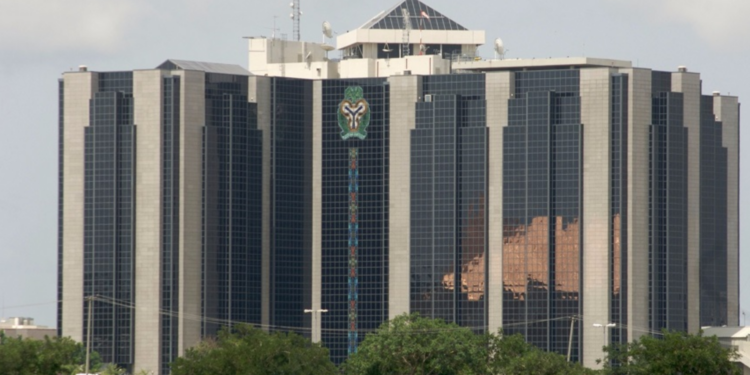
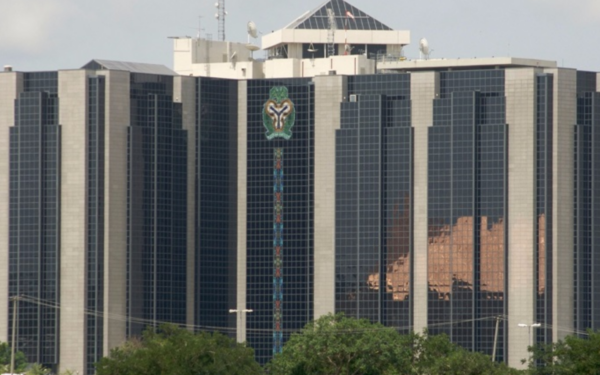
Nigeria’s external position is expected to strengthen further in 2026, with the country’s current account surplus projected to rise to $18.81 billion, equivalent to 11.16% of Gross Domestic Product (GDP). This outlook was contained in the 2026 Macroeconomic Outlook for Nigeria released by the Central Bank of Nigeria (CBN), underscoring growing optimism around export performance, remittance inflows, and gradual improvements in key sectors of the economy.

The 2026 projection represents a notable improvement over the estimated $16.94 billion surplus recorded in 2025, which accounted for 10.94% of GDP. According to the apex bank, the widening surplus reflects stronger external earnings, even as pressures from rising imports, services payments, and investment income outflows are expected to persist.

Stronger exports to anchor external balance

At the core of the improved outlook is a stronger goods account, supported by rising export receipts. The CBN projects that Nigeria’s total export earnings will increase to $58.26 billion in 2026, up from $54.59 billion in 2025. This growth is expected to come from both oil and non-oil exports, reflecting ongoing reforms and targeted interventions across key productive sectors.

On the oil front, the CBN noted that higher export earnings are anchored on expectations of increased domestic crude oil production. Improved security around oil installations, reduced disruptions, and renewed investments in the sector are expected to boost output and export volumes. These gains, if sustained, would strengthen Nigeria’s foreign exchange earnings and help stabilise external balances.

Non-oil exports are also projected to remain on an upward trajectory. The CBN highlighted agricultural commodities and fertilisers as key growth drivers, supported by government initiatives aimed at improving the export value chain. According to the bank, policy interventions such as the recently launched National Export Trading Company—designed to address structural gaps in export logistics—and the National Intellectual Property Policy, which targets the expansion of creative exports, are expected to further enhance non-oil receipts in 2026.

Import growth and services deficit remain headwinds

Despite the positive export outlook, the CBN acknowledged that rising imports will continue to exert pressure on the external account. Total imports are projected to increase to $43.27 billion in 2026, compared with $39.92 billion in 2025. This rise is attributed largely to higher demand for capital goods as economic activity expands and infrastructure development gathers pace.

In addition, the services account deficit is expected to widen further, rising to $13.68 billion in 2026 from $12.80 billion in 2025. The apex bank attributed this to increased payments for business and transport services, including higher demand for research and development services, as well as rising freight charges associated with growing non-oil imports.

The primary income account is also projected to remain in deficit at $8.62 billion, reflecting higher investment income payments to foreign investors. The CBN noted that relatively attractive domestic yields are likely to continue drawing foreign portfolio inflows, which, while supporting capital inflows, also lead to increased interest and dividend repatriation.

Remittances to provide a major boost

On a more positive note, the secondary income account is expected to deliver a stronger surplus of $26.13 billion in 2026, up from $23.82 billion in 2025. This improvement is largely driven by higher diaspora remittances and increased transfers. The CBN also noted that part of these inflows may be linked to election-related activities, providing an additional boost to external receipts during the period.

What this means for Nigeria

Overall, the projected rise in Nigeria’s current account surplus points to tangible gains from oil sector reforms, export diversification efforts, and resilient remittance inflows. However, the outlook also highlights enduring structural challenges, including rising import dependence, widening services deficits, and growing income outflows associated with foreign investment.

Recent data reinforce this mixed picture. According to Nairametrics, Nigeria recorded a current account surplus of $3.42 billion in Q3 2025, down 41.14% from $5.81 billion in Q2 2025, and below the $5.78 billion recorded in Q3 2024. At the same time, foreign direct investment inflows surged to $720 million in Q3 2025, up sharply from $90 million in Q2, signalling renewed investor interest despite external pressures.

As Nigeria enters 2026, the CBN’s outlook suggests cautious optimism: stronger exports and remittances are improving the external balance, but sustaining these gains will depend on continued reforms, disciplined macroeconomic management, and progress in reducing structural vulnerabilities.

NESG Calls for Accelerated Privatisation of State Refineries to Strengthen Domestic Oil Output and Reduce Import Dependency

  • dollaers
  • December 6, 2025
  • Economy News
  • 0 comments

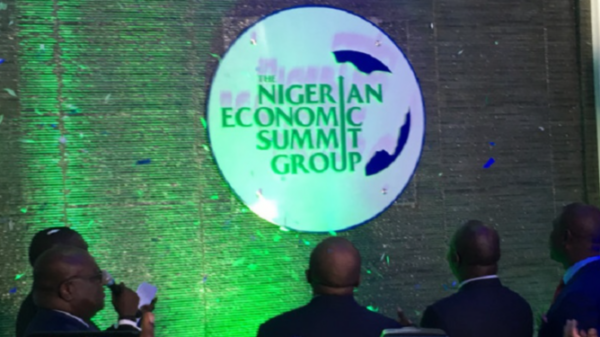
The Nigerian Economic Summit Group (NESG) has advised the Federal Government to move quickly on the privatisation of Nigeria’s state-owned refineries, arguing that the long-awaited reform would unlock domestic oil production capacity, reduce import pressures, and place the country on a more sustainable energy path. The recommendation is contained in the organisation’s newly released macroeconomic briefing titled “NESG 2025 Q3 GDP Alert,” which evaluates economic progress and emerging risks in the third quarter of 2025.

The advisory reflects increasing concern over stagnation in the refining subsector. According to the report, the refining industry recorded a modest growth rate of 5.84% in Q3 2025, a dramatic slowdown compared to the 20.5% expansion seen in Q2 2025, based on the latest data from the National Bureau of Statistics (NBS). NESG attributes this decline to structural weaknesses, policy delays, and unresolved operational constraints in government-run refineries.

The call for action also follows reports that the Federal Government is contemplating the sale of its publicly owned refineries. Seen as a shift from decades of state dominance, the move aims to attract experienced private investors, encourage competition, and support downstream refinement capacity currently led by the privately owned Dangote Refinery.

Positive Outlook on Refining Capacity, Despite Structural Challenges

In its analysis, NESG acknowledged that Nigeria’s refining capacity has improved significantly over the past year, mainly due to the impact of private capital and investment in the sector. The organisation noted that increased output from domestic facilities has begun to reduce Nigeria’s import bill on petroleum products, a trend expected to strengthen further as the Dangote Refinery continues to ramp up capacity.

“The robust growth in the oil refining sector signals improved local refining capacity. These gains are expected to translate into reduced petroleum import bills as the Dangote Refinery continues its operations,” the report states.

However, NESG emphasised that Nigeria cannot reach full refining self-sufficiency while relying almost entirely on a single large private refinery. According to the think tank, reviving and commercialising the state-owned refineries in Port Harcourt, Warri, and Kaduna is essential for building resilience and ensuring competitive local pricing.

“To move towards full self-sufficiency in domestic refining, the government should proceed with the planned privatisation of state-owned refineries to restore their functionality as soon as possible,” NESG advised.

Reforms Showing Early Gains but Need Consolidation

NESG also highlighted that several reforms introduced since mid-2023, including the deregulation of petrol pricing and changes in energy sector governance, have begun to reflect positively in broader GDP performance. Nevertheless, it warned that these gains remain fragile unless supported by deeper structural policies, especially those that deal with operational inefficiencies and long-standing governance issues in the oil and gas value chain.

The group praised the growth trajectory in the agricultural sector as another sign of economic momentum but cautioned that critical challenges still threaten the industry’s long-term competitiveness. It recommended increased investment in supply chain infrastructure, access to credit, and technology to sustain the sector’s progress.

Ongoing Efforts Toward Refinery Transformation

Meanwhile, the Nigerian National Petroleum Company Limited (NNPCL) has revealed that it is seeking technical equity partners with the capability to operate the three refineries in line with international standards. This follows a series of rehabilitation efforts for the Port Harcourt refinery, which the company previously committed to retaining and upgrading rather than selling outright.

In June 2025, NNPCL ruled out the disposal of the Port Harcourt Refining Company, insisting that the facility would undergo extensive repairs and optimisation. However, the refinery, which was shut down on May 24, 2025 for a scheduled 30-day maintenance exercise, has remained inactive for more than 80 days, raising questions about execution timelines and operational transparency under the company’s new management.

For NESG, private sector-led revitalisation of the refineries represents the most pragmatic route toward transforming Nigeria’s refining capacity, stabilising the foreign exchange market, and reducing the burden of import-driven fuel subsidies.

Arab–African Trade Set to Rise by $37 Billion in Three Years, Says Finance Minister Wale Edun

  • dollaers
  • November 29, 2025
  • Economy News
  • 0 comments

Nigeria’s Minister of Finance and Coordinating Minister of the Economy, Wale Edun, has projected a significant expansion in economic exchange between Arab and African nations, estimating that trade volumes could grow by over $37 billion within the next three years. His remarks underscore the increasing importance of cross-regional partnerships in shaping the future of food security, industrial growth, and economic resilience on the continent.

Edun made the projection while speaking in Abuja at the Agribusiness Matchmaking Forum, an event held ahead of the 2025 Meeting of the Board of Governors of the Arab–Africa Trade Bridges (AATB) programme. The forum convened policymakers, development institutions, private-sector leaders, and agribusiness investors to explore new models for strengthening supply chains, improving productivity, and boosting regional food systems.

Focus on Value Addition, Not Raw Exports

In his address, Edun emphasized that Africa’s long-term economic competitiveness depends on a shift away from exporting raw commodities and toward producing high-value, processed goods. He argued that despite the continent’s vast natural resources, African and Arab economies will continue to struggle with low earnings and vulnerability to global price fluctuations unless they move further up the value chain.

“Partners should prioritise value addition rather than raw commodity exports,” he stated. According to him, the next phase of sustainable growth hinges on industrial collaboration, modern processing capacity, and the integration of regional value chains that can support agribusiness transformation across borders.

Call for Deeper Regional Cooperation

Edun also used the platform to urge Arab and African nations to deepen trade and investment ties, noting that global supply chains are shifting rapidly. He argued that Africa must seize this moment to strengthen cooperation with Arab partners who already play a major role in trade finance, infrastructure investment, and food security initiatives.

“This is a moment to turn opportunity into action,” the minister said. “By working together, we can build stronger value chains, create jobs, and support prosperity across our regions.”

He noted that Nigeria’s expanding industrial capacity and the upcoming launch of the National Single Window—a trade facilitation reform designed to simplify and digitize customs procedures—will further position the country as a major hub for regional trade and private-sector–led growth.

Nigeria’s Q2 2025 Trade Surplus Indicates Strong Fundamentals

The minister’s remarks align with recent economic data showing a notable strengthening in Nigeria’s external trade position. According to the National Bureau of Statistics (NBS), Nigeria recorded a 44.3% rise in its trade surplus, which increased from N5.17 trillion in Q1 2025 to N7.46 trillion in Q2 2025.

The improvement was primarily driven by a surge in exports, which climbed to N22.75 trillion, representing a 10.5% quarter-on-quarter increase. Imports, by contrast, fell slightly to N15.29 trillion, easing pressure on the external account.

Despite a decline in crude oil export earnings, strong performance in other petroleum products—particularly refined fuels and gas—helped stabilize overall export revenue. Non-oil exports also reached N3.05 trillion, reflecting growing demand for Nigerian agricultural and manufactured products.

Private Sector Initiatives Strengthen the Outlook

In a related development, TRT Manufacturing and TradeDepot have launched the Africa Trade Engine (ATE), a strategic initiative aimed at reducing Africa’s $50 billion annual import gap by expanding local manufacturing and boosting trade within the African Continental Free Trade Area (AfCFTA). The partnership integrates industrial capacity, logistics networks, and digital trade infrastructure to accelerate the movement and production of goods across borders.

Looking Ahead

With Nigeria pushing for deeper integration through regulatory reforms, improved logistics, and a focus on value-added production, Edun believes the country—and the continent at large—is positioned to benefit from the projected boom in Arab–African trade. Strengthened collaboration, he added, will not only expand market access but also enhance food security, attract investment, and create millions of new jobs across Africa.

AfDB Approves $500 Million Loan to Support Nigeria’s Economic Reforms and Energy Transition

  • dollaers
  • November 27, 2025
  • Economy News
  • 0 comments

The African Development Bank Group (AfDB) has approved a $500 million loan to the Federal Government of Nigeria to advance the second phase of the Economic Governance and Energy Transition Support Programme—an intervention designed to accelerate structural reforms, strengthen public finance, and catalyse Nigeria’s shift toward cleaner, more reliable energy.

The approval was disclosed in a statement issued by the Bank on Wednesday following a meeting of its Board of Directors in Abidjan, Côte d’Ivoire. The initiative is structured as a policy-based operation covering the 2024 and 2025 fiscal years and aligns with Nigeria’s medium-term reform agenda.

According to the AfDB, this phase of the programme builds on the progress achieved in the first phase, which focused on stabilising fiscal operations, improving transparency, and initiating key reforms within the energy sector. The second phase is expected to deepen these reforms and broaden their impact across federal institutions, private businesses, and the wider Nigerian economy.

Reform Priorities and Strategic Goals

In its statement, the AfDB outlined three central pillars that will guide the deployment of the $500 million facility:

1. Strengthening Fiscal Policy and Public Financial Management
The loan will support Nigeria’s efforts to expand non-oil revenues, reduce fiscal vulnerabilities, and enhance the efficiency of government spending. This includes improving public financial management systems, increasing transparency in budget implementation, and reducing leakages. With Nigeria’s fiscal framework still constrained by high debt-service costs and relatively low revenue mobilisation, the Bank’s intervention aims to provide the budget support necessary to keep critical reforms on track.

2. Accelerating Energy Sector Reforms
A major component of the programme is the acceleration of energy sector reforms intended to reduce chronic energy poverty. Nigeria continues to struggle with erratic electricity supply, insufficient generation capacity, weak transmission infrastructure, and governance challenges across the value chain. The AfDB hopes that targeted reforms—combined with improved regulatory oversight and a stronger investment climate—will help attract private capital, reduce system losses, and expand power access to underserved communities.

3. Supporting the National Energy Transition Plan (NETP)
The loan will also facilitate Nigeria’s shift toward cleaner energy sources by supporting climate adaptation and mitigation initiatives. This includes implementing energy-efficiency standards for electrical appliances, reinforcing climate resilience policies, and updating Nigeria’s Nationally Determined Contribution (NDC) targets for the 2026–2030 period. The Bank emphasised that achieving an inclusive and sustainable energy transition is essential for long-term economic stability and environmental protection.

Beneficiaries and Institutional Scope

The programme will directly benefit several key government agencies, including the Federal Ministry of Finance, the Federal Inland Revenue Service, the Office of the Auditor General, the Debt Management Office, the Federal Ministry of Power, the National Climate Change Council (NCCC), the Nigerian Electricity Regulatory Commission (NERC), and the Federal Ministry of Environment.

Beyond government institutions, the AfDB noted that private businesses—particularly those in the power and green energy sectors—stand to gain from a more predictable regulatory environment, improved energy infrastructure, and a stronger fiscal framework supportive of public-private partnerships. Subnational governments are also expected to benefit through improved governance structures that encourage private investment at the state level.

Broader Impact and Current AfDB Portfolio in Nigeria

The Bank emphasised that the reforms supported by this loan are crucial for stabilising Nigeria’s macroeconomic outlook, rebuilding investor confidence, and unlocking long-term financing for infrastructure, renewable energy, and climate-resilient development.

As of 31 October 2025, the AfDB’s active investment portfolio in Nigeria includes 52 projects valued at $5.1 billion, spanning infrastructure development, agriculture, governance, energy, and private-sector support. The new $500 million facility adds another layer of support to Nigeria’s ongoing efforts to reposition its economy and modernise its energy landscape.

Lagos Food Prices Ease in November, but Onions, Fish and Key Essentials Buck the Trend

  • dollaers
  • November 25, 2025
  • Economy News
  • 0 comments

The food-cost landscape in Lagos remains challenging for many households, but findings from the November 2025 Nairametrics Lagos Market Survey indicate a cautiously improving environment. While consumers finally saw meaningful relief in several staple food categories, fresh price increases in essentials such as onions, fish, pasta, and flour reveal that food affordability remains fragile and uneven across markets.

The survey, which covered four major Lagos markets—Mushin, Mile 2, Daleko and Oyingbo—highlights a month defined by both easing pressures and emerging new cost drivers. Many items that surged in October have now retreated on the back of seasonal harvests, increased supply flows and stabilizing distribution channels. However, persistent volatility in logistics, rising transport fares, and the seasonal nature of some food items continue to influence market pricing.

These developments occurred as Nigeria’s food inflation eased for the second consecutive month, dropping from 16.87% in September to 13.12% in October 2025. Lagos food inflation followed a similar pattern, declining sharply from 21.2% to 14.76%. Despite this positive macro trend, the market-level data shows that some household essentials remain under pressure.

Items That Recorded Price Increases

Despite the broader market cooldown, several key staples saw notable price hikes in November:

  • Dry onions recorded the biggest upward movement. The average price of a bag jumped by 28.57%, rising from N70,000 to N90,000, driven by lower-than-expected harvest volumes and higher transportation costs.

  • Fish prices also continued their upward trajectory.

    • A kilo of kote (horse mackerel) rose from N3,800 to N4,500, an 18.42% increase.

    • Titus fish climbed from N6,500 to N7,000, up 7.69%.
      Cold-chain gaps, logistics expenses, and reduced catch volumes remain key drivers.

  • Pasta prices increased as a 500g pack of Bonita climbed from N1,200 to N1,400, marking a 16.67% rise.

  • Flour experienced broad price increases across major brands, with a 50kg bag rising by between 2.67% and 13.33%, depending on the brand. Millers continue to adjust prices in response to elevated wheat importation costs.

  • Other noticeable increases included Ovaltine refill, Milo refill, sweet potatoes, eggs, and Mama Gold rice.

These developments highlight the reality that while raw staples may respond quickly to supply relief, processed and packaged foods remain vulnerable to cost-intensive supply chains.

Items That Became Cheaper

Encouragingly, more than 27 out of the 70 items tracked recorded price declines—the most positive shift seen in months.

  • Pepper topped the list with a steep 20% drop as a big bag fell from N75,000 to N60,000.

  • White maize fell by 18.18% to N45,000, while yellow maize dropped by 16.67% to N50,000, both benefiting from harvest-season supply boosts.

  • Vegetable oil and palm oil saw significant declines, dropping by 17.86% and 10% respectively.

  • Peak milk (900g) dropped sharply by 17.74% to N9,460.

  • Yam prices eased substantially, with large Abuja tubers down 16.67%.

  • Yellow garri recorded a 14.81% drop to N23,000 for a 50kg sack.

  • Cooking gas reversed last month’s spike, with a 12.5kg cylinder dropping by 13.33% to N16,250.

  • Frozen poultry—turkey and chicken lap—also became cheaper.

Other items that recorded declines include noodles, poundo yam, and melon.

Items With Stable Prices

Around 26 food items recorded no price changes in November, including semo, tomatoes, tea, wheat, ogbono, and certain noodle brands. This suggests a degree of stabilization in specific market segments.

Market Voices: Insights From Traders

Local traders across the surveyed markets provided context to the numbers:

  • “Onions didn’t turn out as cheap as we expected… transport and supply issues are the problem,” said Mrs. Ebere, a vegetable seller in Daleko.

  • Bakers remain troubled by flour increases, with many adjusting loaf sizes, according to Mushin retailer Mrs. Grace.

  • Yam sellers and garri wholesalers expressed cautious optimism but noted that consumers are still buying in smaller quantities due to limited purchasing power.

  • Food vendors welcomed the drop in gas and poultry prices, calling it a relief for daily operations.

Overall, the November 2025 survey paints a nuanced picture: while more than one-third of tracked food items became cheaper and inflation indicators improved, the cost of key essentials—especially onions, fish and flour—continues to pressure household budgets. The market remains highly sensitive to supply chain disruptions, seasonal harvests, and logistics challenges. Continuous monitoring will be crucial as Lagos families enter the festive season, a period historically known for fluctuating food prices.

NCR, ROYALEX Lead Market Gainers as All-Share Index Drops Below N92 Trillion in Value

  • dollaers
  • November 21, 2025
  • Economy News
  • 0 comments

The bearish momentum dominating the Nigerian equities market persisted on Thursday, November 20, as the All-Share Index (ASI) declined further, shedding 458.98 points to close at 144,187.03. This represents a 0.32% drop from the previous day’s close of 144,646.01 and extends a market downturn that has weighed heavily on investor sentiment throughout the week.

The session reflected across-the-board weakness, with trading activity declining significantly. Total market volume fell sharply to 349.2 million units, a steep contraction from the robust 892 million shares traded in the preceding session. This downturn in market participation underscores growing caution among investors amid heightened volatility, macroeconomic uncertainties, and profit-taking across several key sectors.

Market capitalization also mirrored the overall decline, easing to N91.70 trillion from N92.00 trillion previously, translating to a loss of roughly N300 billion in a single trading session. The continued erosion in market value places additional pressure on the ASI, which has struggled to regain upward momentum despite a still-impressive year-to-date return of 40.09%.

Despite the broader negative performance, a handful of stocks managed to buck the trend. NCR topped the gainers’ chart with a full 10% increase, closing at N37.40. ROYALEX followed closely, appreciating by 7.57% to settle at N1.99. Other notable advancers included CILEASING, LIVINGTRUST, and RTBRISCOE, which gained 6.00%, 3.87%, and 3.55%, respectively. Their performances suggest that selective buying interest persists in pockets of the market, particularly for stocks perceived as undervalued or positioned for near-term catalysts.

On the flip side, the losers’ chart was dominated by NEIMETH and OMATEK, both falling by the maximum 10% to N4.95 and N1.17, respectively. TANTALIZERS declined 9.75%, while INTENEGINS dipped 9.62%. WEMABANK also faced heavy selling pressure, shedding 8.63% to close at N18.00. These declines reflect a combination of weak risk appetite, sector pressures, and repositioning by institutional investors.

Market activity was led by high-volume trades in banking stocks, reaffirming the sector’s central role in market liquidity. FIDELITYBK topped the activity chart with 54.2 million shares traded, followed by FCMB with 30.3 million shares. TANTALIZERS, GTCO, and ACCESSCORP rounded out the top five most actively traded equities.

In terms of value, GTCO led the session with N2.1 billion worth of transactions. FIDELITYBK posted N1.03 billion in turnover, while ZENITHBANK recorded N820 million. MTNN and ARADEL also featured prominently, reflecting their consistent attraction for institutional and retail investors.

Among the SWOOTs (Stocks Worth Over One Trillion), the performance was largely negative. Nigerian Breweries slipped 2.14%, while International Breweries lost 0.83%. Within the FUGAZ group, which tracks the top-tier banking institutions, ACCESSCORP declined 3%, UBA shed 2.63%, GTCO dipped 0.71%, and ZENITHBANK closed 0.59% lower. FIRSTHOLDCO was the lone bright spot, managing a modest 0.33% gain.

Market Outlook
Analysts warn that the ASI remains under notable bearish pressure, and continued weak sentiment could drag the index even lower in the short term. However, they note that a rebound in mid- and large-cap equities could strengthen market recovery, with the potential for the index to reclaim the 150,000-point level if buying momentum improves. For now, caution remains the prevailing theme as investors wait for clearer signals from both domestic and global markets

Gombe State Sets Ambitious N39 Billion IGR Target to Support 2026 Budget

  • dollaers
  • November 19, 2025
  • Economy News
  • 0 comments

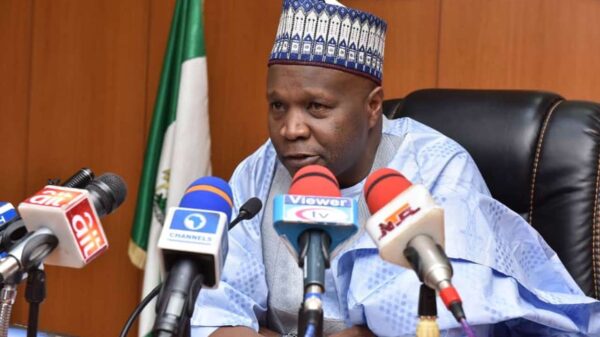
The Gombe State Government has unveiled an ambitious plan to generate N39 billion in Internally Generated Revenue (IGR) to support the financing and implementation of its 2026 fiscal year budget. The announcement was made by the Commissioner for Budget and Economic Planning, Mr. Salihu Baba-Alkali, during the public presentation of the detailed budget breakdown, shortly after Governor Inuwa Yahaya formally presented the proposed spending plan to the State House of Assembly.

According to Baba-Alkali, the targeted N39 billion marks a 19.22% increase over the N32.7 billion projected for 2025. He described the target as both bold and achievable, noting that it aligns with the solid performance of the Gombe State Internal Revenue Service (GIRS), which has continued to strengthen its operational efficiencies and collection capacity. The commissioner revealed that for the 2025 fiscal year, the GIRS exceeded its revenue projection by 103% well before year-end, demonstrating an enhanced revenue-generation framework.

Baba-Alkali emphasized that ramping up IGR is essential for sustaining the state’s ongoing capital projects, many of which form part of the administration’s drive for infrastructural renewal and socioeconomic development. He reiterated that the enhanced revenue would complement other funding sources required to complete large-scale developments across the state.

The commissioner commended the GIRS for its exceptional performance, urging the agency to continue refining its strategies and improving its revenue collection mechanisms. He also called on residents to fulfill their civic responsibility by paying taxes regularly. According to him, sustained citizen cooperation would help broaden the state’s fiscal base and significantly reduce dependency on federal allocations.

Beyond IGR, the Gombe State Government is counting on substantial inflows from the Federation Allocation Accounts Committee (FAAC) and statutory sources to support its spending commitments in 2026. Baba-Alkali disclosed that the state expects N80 billion from statutory allocations, N65 billion from Value Added Tax (VAT), and approximately N132 billion from FAAC receipts. He noted that VAT would account for 25.5% of total projected revenue, while FAAC allocations will represent 41.77%.

The commissioner further stated that Gombe will rely on external borrowing—mostly from multilateral development institutions—to finance its capital-intensive projects. Approximately N186.7 billion in external loans is anticipated, representing 82.76% of the state’s capital receipts. Baba-Alkali clarified that such loans are typically facilitated through the Federal Government on behalf of states, with major sources including the World Bank and the Islamic Development Bank.

Despite the reliance on external loans and federal allocations, the commissioner stressed the administration’s long-term goal to reduce dependency on central revenue. Strengthening IGR, he said, is fundamental to achieving fiscal sustainability and granting the state greater autonomy in budgeting and development planning.

Recent data from the National Bureau of Statistics (NBS) highlights the growing importance of IGR nationwide. Between 2021 and 2024, Nigeria’s 36 states and the Federal Capital Territory generated a combined N10.88 trillion in internal revenue. Additionally, states collectively received N4.43 trillion from FAAC between January and July 2025, with the highest allocations going to Delta, Rivers, Lagos, Akwa Ibom, and Bayelsa States.

The Gombe State Government’s proactive stance signals a commitment to strengthening revenue mobilization, improving fiscal management, and ensuring the continued execution of transformative projects across the state.

Ondo State Governor Aiyedatiwa Presents N492.8 Billion 2026 Budget Focused on Economic Consolidation

  • dollaers
  • November 18, 2025
  • Economy News
  • 0 comments

Ondo State Governor, Dr. Lucky Orimisan Aiyedatiwa, has unveiled a N492.8 billion Appropriation Bill for the 2026 fiscal year, presenting the proposal to the State House of Assembly on November 17, 2025. The financial plan, tagged the Budget of Economic Consolidation, is designed to build on the administration’s recent reforms, strengthen economic stability, and accelerate development across key sectors.

According to Governor Aiyedatiwa, the 2026 budget prioritizes capital investment, with 57% of the total expenditure dedicated to capital projects. This allocation reflects the state government’s strategic focus on long-term growth by expanding infrastructure, improving social services, and enhancing productivity. Priority areas include education, healthcare, road construction, human capital development, food security, and public infrastructure.

The Governor emphasized that the 2026 fiscal blueprint is anchored on the gains recorded in 2025—a year marked by both economic progress and financial challenges. He noted that the previous budget, initially approved at N698.6 billion, was later revised downward to N490 billion following unrealized donor and partner inflows. Despite these setbacks, the administration delivered significant achievements that form the foundation of the new budget’s direction.

Review of 2025 Performance

Governor Aiyedatiwa highlighted a series of accomplishments under the revised 2025 budget. In the education sector, the government recruited 2,100 new teachers to strengthen the state’s basic and secondary education workforce. It also paid N633.9 million in WAEC fees for 23,048 students, fully funded NABTEB examinations, and disbursed over N636 million in scholarships and bursaries to students across tertiary institutions.

Infrastructure development in schools also received attention, with the renovation of 134 primary schools and the upgrade of 60 secondary schools. Technical education advanced through modernisation of technical colleges, while new programmes and capacity improvements were implemented at Olusegun Agagu University of Science and Technology (OAUSTECH).

The health sector recorded notable progress through expanded enrollment in the Orange Health Insurance scheme. More than 40,000 mothers and children benefited from increased access to healthcare services. Additionally, the World Bank–supported IMPACT project led to the upgrade of 102 primary healthcare centres across the state.

Road construction and rehabilitation remained central to the administration’s agenda. Major projects progressed steadily, including the Oke-Aro–Idanre Road, Akungba–Ikare Road, and the Okitipupa–Igbokoda axis. Flyovers and numerous rural road projects covering 446 kilometres also advanced, improving mobility and economic activities across local communities.

Agriculture and rural development initiatives expanded farming across 26,000 hectares, while cocoa farmers received improved seedlings to boost production. Rural markets were rehabilitated, and livestock farmers gained access to enhanced support services.

Other significant achievements included the revival of the Omotosho power plant, installation of solar mini-grids in 30 rural communities, expanded electricity access, and improved environmental management and sanitation programmes. Under the OD-CARES social protection initiative, over 10,550 households received cash transfers, nearly 20,000 jobs were created, and 1,863 small businesses received grants. The government also paid N3.7 billion in gratuities, restored the School Shuttle Scheme, and strengthened technology and ICT development efforts.

Outlook for 2026

While presenting the 2026 budget, Governor Aiyedatiwa acknowledged that revenue performance may be pressured by the new VAT sharing structure and tax exemptions granted to low-income earners. He assured the Assembly that his administration remains committed to prudent fiscal management, efficient revenue mobilization, and the completion of ongoing priority projects.

In his remarks, the Speaker of the Ondo State House of Assembly, Rt. Hon. Olamide Oladiji, commended the Governor for the early submission of the budget and for his commitment to responsible governance. He noted improvements in legislative welfare through the Consolidated Legislative Salary Scheme Fund and pledged continued collaboration with the executive arm to advance the state’s development.

MDGIF and Chinese Manufacturers Finalize Landmark Agreement to Roll Out 500 CNG Stations Across Nigeria

  • dollaers
  • November 17, 2025
  • Economy News
  • 0 comments

Nigeria’s push toward cleaner and cheaper alternative fuels has received a major boost following the conclusion of high-level negotiations between the Midstream and Downstream Gas Infrastructure Fund (MDGIF) and a delegation from China’s Endurance Group, one of Asia’s leading manufacturers of gas mobility infrastructure. The discussions, held in Abuja, resulted in a far-reaching agreement to deploy 500 compressed natural gas (CNG) refuelling stations across the country over the next three years, marking one of the most ambitious clean-energy infrastructure projects ever undertaken in Nigeria’s transportation sector.

Executive Director of the MDGIF, Mr. Oluwole Adama, briefed journalists shortly after the meeting, noting that the talks centered on establishing a strong, government-backed Special Purpose Vehicle (SPV) that will drive nationwide CNG infrastructure development at scale. He described the engagement with the Endurance Group as a major milestone in the execution of the Federal Government’s energy transition and clean mobility agenda.

According to Adama, the newly formed SPV—named the Compressed Natural Gas Auto Mobility Infrastructure Company (CAM InfraCo)—will serve as the central implementation body responsible for planning, constructing, and managing the 500 CNG stations. Beyond refuelling stations, CAM InfraCo will also oversee the development of liquefied-to-compressed natural gas (LCNG) supply infrastructure and coordinate the deployment of CNG and LNG transportation trucks equipped with truck-mounted cascades. This will create a “virtual pipeline” capable of delivering natural gas fuel to all 36 states and the Federal Capital Territory, including regions without existing gas pipeline networks.

Adama highlighted that the collaboration reflects the commitment of both parties to accelerate Nigeria’s shift away from costly and carbon-intensive fuels such as petrol and diesel. “The collaboration underscores the parties’ commitment to accelerating Nigeria’s transition to cleaner fuels by addressing infrastructure gaps across the country’s CNG value chain,” he said.

A Transformational Deal for Nigeria’s Clean Energy Ecosystem

The agreement marks a turning point in Nigeria’s journey toward building a fully functional and commercially viable CNG ecosystem. For years, inadequate refuelling infrastructure has been the biggest barrier to widespread CNG adoption, despite the country’s abundant gas reserves and government-led campaigns promoting gas as the primary transition fuel. The plan to roll out 500 stations nationwide over just three years represents a scale and speed unmatched by earlier initiatives, which were often stalled by fragmentation, funding bottlenecks, and limited private-sector involvement.

By establishing CAM InfraCo as a dedicated implementation company, the Federal Government is signaling a shift from small, scattered CNG projects toward a cohesive, centrally coordinated national rollout. The involvement of the Endurance Group provides the technical expertise, manufacturing capacity, and equipment supply needed to execute such a large undertaking, while the MDGIF ensures financial backing, regulatory alignment, and long-term policy stability.

The deployment of integrated CNG and LCNG stations, together with virtual pipeline trucks, means that no part of the country will be left behind. Regions lacking traditional pipeline infrastructure—especially in the north and underserved rural areas—will still be able to access affordable natural gas fuel delivered by mobile cascades. This approach is designed to encourage mass adoption among commercial fleets, transport unions, logistics companies, and private vehicle owners.

Economic and Social Impact

The implications of the partnership extend far beyond environmental benefits. CNG is significantly cheaper than petrol and diesel, meaning the availability of 500 refuelling stations could reduce transportation costs nationwide, stabilizing prices of goods and services. The initiative is also expected to stimulate job creation across engineering, construction, logistics, and maintenance segments of the economy.

Moreover, ramping up CNG availability supports the broader goals of the Presidential CNG Initiative (PCNGI), which has struggled to achieve traction due to limited refuelling points. With this agreement, Nigeria now has a realistic pathway to scaling clean mobility technologies and reducing dependence on imported, price-volatile petroleum products.

MDGIF’s role is particularly significant. Just last week, the Federal Government announced that the Fund had committed over N287 billion to gas infrastructure expansion nationwide. This investment aligns with the objectives of the Petroleum Industry Act (PIA), which mandates deeper gas penetration, improved energy security, and strengthened industrial capacity.

With the formalization of this new partnership, Nigeria appears poised to make monumental progress toward a cleaner, more economically resilient, and gas-powered transportation future.

FG Targets N160 Billion Output From 80,000 Farmers Under 2025/2026 Wheat Expansion Programme

  • dollaers
  • November 16, 2025
  • Economy News
  • 0 comments

The Federal Government has officially launched the 2025/2026 dry-season wheat farming programme under the National Agricultural Growth Scheme and Agro-Pocket (NAGS-AP), setting an ambitious production target valued at approximately N160 billion. The initiative aims to support and empower 80,000 registered wheat farmers across the country, marking one of Nigeria’s largest coordinated efforts to boost domestic wheat production and reduce reliance on imports.

The programme was formally flagged off on Saturday in Borno State by Governor Babagana Umara Zulum at the Jere Bowl in Dusuman, Jere Local Government Area. Borno, known for its vast irrigation potential and expanding agricultural footprint, serves as a strategic host for the launch, reflecting its growing prominence in Nigeria’s crop production landscape.

40,000 Hectares Allocated Nationwide

The Minister of Agriculture and Food Security, Senator Abubakar Kyari, who spoke at the launch, explained that the government has earmarked 40,000 hectares for wheat cultivation during the dry season. Of this, 3,000 hectares—representing support for 6,000 farmers—have been allocated to Borno State alone.

Kyari noted that the scheme will be implemented across 16 wheat-producing states, including Adamawa, Bauchi, Cross River, Gombe, Kaduna, Kano, Kebbi, Niger, Plateau, Sokoto, Taraba, Yobe, and Zamfara. These states were selected based on their comparative advantages in irrigation infrastructure, farmer capacity, and historical crop performance.

“For the 2025/2026 season, we are targeting 80,000 registered farmers with an expected output value of approximately N160 billion,” Kyari stated. He added that the programme will later expand to support other high-value crops, in line with the Federal Government’s broader agricultural transformation and food security strategy.

Zulum: Wheat Programme is Transformative for Borno

Governor Zulum praised the programme’s design, calling it a significant step toward transforming Borno’s agricultural economy. He highlighted that, in recent years, the state has made notable progress in irrigation development, mechanisation, and farmer support—all of which position Borno to contribute substantially to Nigeria’s wheat output.

“Here in Borno State, wheat cultivation is not just a programme; it is a transformative initiative,” Zulum said. “With targeted investments in irrigation systems, quality inputs, mechanised tools, and strong extension services, we are empowering our farmers to boost yields, expand productivity, and contribute to national food supply.”

Zulum also expressed appreciation to President Bola Ahmed Tinubu for prioritizing agricultural development under the Renewed Hope Agenda. According to him, the President’s commitment to food security has created an enabling environment for progressive initiatives such as the NAGS-AP wheat programme.

Inputs to Boost Productivity

Farmers participating in the programme will benefit from a full package of subsidised inputs, including high-yield wheat seedlings, blended fertilisers, pesticides, tractors, and other mechanised implements. These are intended to help farmers maximise yields during the dry season and reduce Nigeria’s heavy dependence on imported wheat—a major driver of food inflation.

Kyari said the programme aligns with the Federal Government’s broader aim of revitalising the agricultural sector through innovative, data-driven, and technology-supported interventions.

Broader Agricultural Investment Strategy

The wheat programme also complements Nigeria’s larger agricultural investment commitments. In September, Senator Kyari announced the Federal Government’s partnership with the Food and Agriculture Organization (FAO) under the $3.14 billion Hand-in-Hand Initiative, a transformative plan designed to overhaul key agricultural value chains.

The initiative focuses on developing five priority value chains—tomato, cassava, maize, dairy, and fisheries—while targeting poverty reduction, improved nutrition, and food sovereignty. It also aligns with the Sustainable Development Goals (SDGs) and the African Union’s Comprehensive Africa Agriculture Development Programme (CAADP).

A Step Toward Food Security and Import Substitution

Nigeria currently imports over $2 billion worth of wheat annually, making wheat one of the country’s most expensive and strategic food commodities. By boosting local wheat production, the Federal Government aims to reduce this burden, strengthen food security, and stabilise prices of wheat-based food products such as bread, pasta, and noodles.

The launch of the 2025/2026 wheat programme signals a renewed commitment to large-scale agricultural development, farmer empowerment, and long-term economic resilience.

With 80,000 farmers supported, 40,000 hectares under cultivation, and an output projection of N160 billion, the Federal Government believes the initiative will not only transform rural livelihoods but also reinforce Nigeria’s march toward self-sufficiency in key staple crops.

  • ‹ Previous
  • 1
  • 2
  • 3
  • 4
  • Next ›
Forgot Password
Please enter your email address or username below.
*
 
Login
*
*
Lost Your Password
Dont have account? Signup