














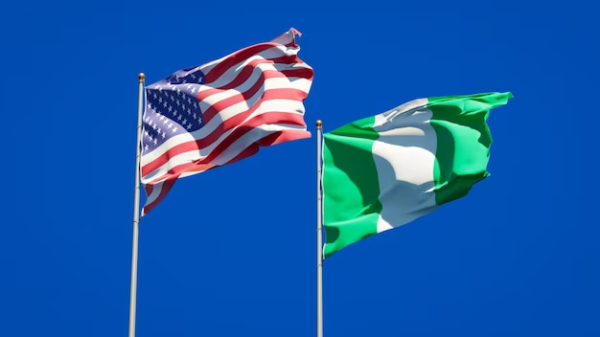








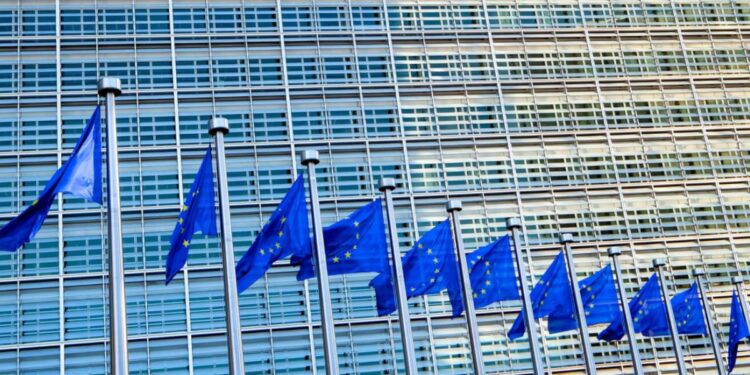
The European Union has officially removed Nigeria from its list of high-risk jurisdictions for money laundering and terrorism financing, marking a major milestone for the country’s financial credibility and reform efforts.
According to a statement published on the European Commission website, Nigeria was delisted alongside South Africa, Burkina Faso, Mali, Mozambique, and Tanzania. The decision follows Nigeria’s successful removal from the Financial Action Task Force (FATF) greylist in 2025.
The development is expected to ease cross-border financial transactions, reduce compliance costs for Nigerian businesses and banks, and improve overall investor confidence.
What changed
Under the new decision, enhanced due diligence requirements previously applied to transactions involving Nigeria will be lifted from January 29, 2026, subject to procedural approval by the European Parliament and the Council.
The European Commission explained that the update reflects decisions taken by the FATF at its June and October 2025 plenary sessions, where several countries were removed from the list of Jurisdictions under Increased Monitoring, commonly known as the greylist.
“The EU has added new third-country jurisdictions to the list (Bolivia and the British Virgin Islands) and delisted a number of others (Burkina Faso, Mali, Mozambique, Nigeria, South Africa and Tanzania),” the Commission stated.
EU-regulated institutions are required to apply heightened scrutiny when dealing with countries on the high-risk list. With Nigeria’s removal, such measures will no longer apply to Nigerian-related transactions once the regulation takes effect.
Nigerian government reacts
While the Presidency has not issued an official statement, Nigeria’s Minister of State for Finance, Doris Uzoka‑Anite, welcomed the development in a post on X, describing it as a major win for the country.
She praised Bola Ahmed Tinubu for the achievement, noting that the decision would boost trade prospects and strengthen investor confidence in Nigeria’s economy.
Why this matters
Being classified as a high-risk jurisdiction often results in higher transaction costs, delayed payments, restricted correspondent banking relationships, and reduced foreign investment. Nigeria’s removal from the EU list is therefore significant for banks, exporters, fintech firms, and businesses with European partners.
With enhanced due diligence requirements lifted, Nigerian entities are expected to face fewer compliance hurdles, supporting smoother trade flows, easier remittances, and improved access to international capital. This comes at a time when Nigeria is actively seeking to attract foreign investment and deepen its integration into global financial markets.
The move also reinforces Nigeria’s credibility in its ongoing efforts to strengthen its anti-money laundering and counter-terrorism financing (AML/CFT) framework and curb illicit financial flows.
What you should know
Nigeria was removed from the FATF greylist in October 2025 after implementing wide-ranging reforms to improve financial oversight, transparency, and enforcement. The country had been added to the greylist in February 2023, alongside South Africa.
Mozambique was added in October 2022, while Burkina Faso had been designated as early as February 2021. Their collective delisting reflects increased compliance with international AML/CFT standards and sustained engagement with global financial regulators.
Overall, Nigeria’s removal from both the FATF greylist and the EU high-risk list represents a critical step toward restoring international confidence in the country’s financial system and improving its attractiveness as an investment destination.

Emmanuel Bassey is a Financial Expert that has worked in the Banking and Finance Industry for over 15+ years across different banks in Nigeria


