





































Nigeria is positioning itself to become Africa’s second commercial producer of cloves, as plans advance to onboard about 74,000 farmers into the country’s first nationwide cloves farming initiative ahead of the 2026 wet planting season.
The disclosure was made by Malam Abdullahi Shuaibu, National Coordinator of the Cloves Producers Association, during the North-West Farmers Training Workshop held at Ahmadu Bello University (ABU), Zaria, according to a report by the News Agency of Nigeria (NAN).
The initiative is designed to scale up cloves cultivation across Nigeria, boost export earnings, deepen agricultural diversification, and create employment opportunities, particularly for youths and women in rural communities.
Under the programme, at least 2,000 farmers from each of Nigeria’s 36 states and the Federal Capital Territory (FCT) will participate, bringing the total number of beneficiaries to more than 74,000 nationwide. Each farmer will receive improved cloves seedlings and key farm inputs to cultivate approximately half a hectare of land.
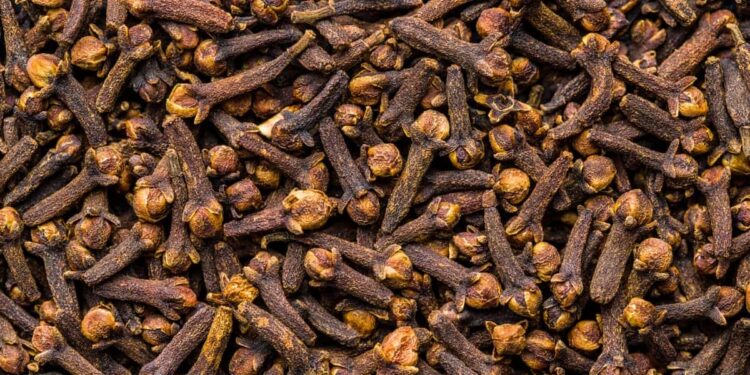
Cloves, a high-value tropical crop widely used in the food, pharmaceutical, and cosmetics industries, can thrive in several ecological zones across Nigeria. Stakeholders believe this provides the country with a strong competitive advantage in meeting both domestic demand and export opportunities.
According to Shuaibu, the initiative will place Nigeria alongside Zanzibar in Tanzania, currently Africa’s leading commercial cloves producer. He said the programme is structured to tap into the growing global demand for cloves, positioning Nigeria as a strategic supplier in international markets.
“This initiative is designed to make Nigeria the second African country, after Zanzibar, to produce cloves on a commercial scale,” Shuaibu said, adding that the crop’s profitability makes it more attractive than many traditional staples.
Further insights from the NAN report indicate that agricultural and financial advisers involved in the programme consider cloves production significantly more profitable than grains and most vegetable crops, while also offering a hedge against sudden price crashes that often affect perishable farm produce.
Kaduna State, already a major hub for ginger production, has pledged full institutional support for the cloves initiative, signalling strong subnational backing for the project.
To ensure technical success, Prof. Mukhtar Abdullah of the Institute for Agricultural Research (IAR), ABU, unveiled a comprehensive training manual for participating farmers. The guide provides step-by-step instructions on cloves cultivation, post-harvest handling, market analysis, and international best practices, with a focus on empowering rural farmers, women, and youth.
The cloves programme comes at a time when Nigeria’s agricultural sector is showing signs of recovery. According to data from the National Bureau of Statistics (NBS), agriculture grew by 3.79% year-on-year in real terms in Q3 2025, up from 2.55% in the same period of 2024. Overall GDP growth stood at 3.98% in Q3 2025, reflecting agriculture’s continued importance to the broader economy. Crop production remained dominant, accounting for nearly 66% of the sector’s total nominal output.
However, the initiative is unfolding against a backdrop of mounting food security concerns. Farmers in the North-Central and North-West regions have warned that rising input costs, insecurity, and post-harvest losses are making farming increasingly unprofitable. The UN Food and Agriculture Organization (FAO) projects that up to 34.7 million Nigerians could face severe food insecurity during the June–August 2026 lean season if urgent interventions are not implemented.
Despite these challenges, stakeholders see the cloves initiative as a strategic opportunity to diversify Nigeria’s agricultural base, strengthen foreign exchange earnings, and reduce overdependence on traditional export crops, provided security and structural constraints are effectively addressed.

Emmanuel Bassey is a Financial Expert that has worked in the Banking and Finance Industry for over 15+ years across different banks in Nigeria


