


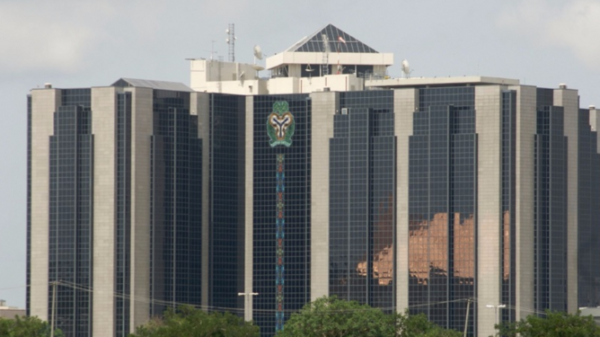








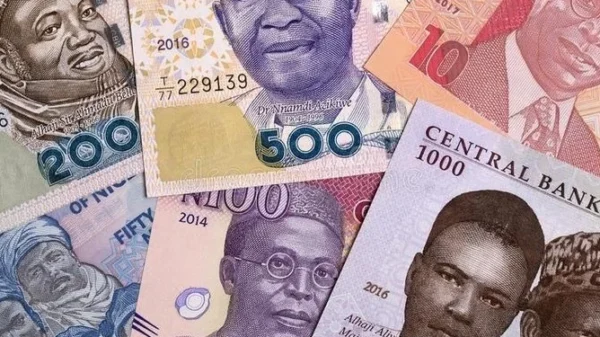




















The Central Bank of Nigeria (CBN) on Wednesday is set to auction N1.15 trillion worth of Treasury Bills (T-bills), marking its second NTB auction for January 2026, as excess liquidity in the banking system collides with lingering uncertainty over the direction of interest rates.
The auction will be conducted across the three standard maturities—91-day, 182-day, and 364-day bills—continuing the apex bank’s aggressive reliance on short-term domestic instruments to manage liquidity and meet government funding needs.
Market participants say the auction outcome will provide fresh guidance on near-term interest rate direction, particularly as investors weigh moderating inflation prints against the CBN’s continued preference for tight monetary conditions.
Offer structure highlights longer-dated preference
Details from the CBN’s offer circular show that N150 billion has been allotted to the 91-day bills, N200 billion to the 182-day tenor, while the bulk of the issuance—N800 billion—will be offered through the 364-day bills.
Analysts note that the heavy skew toward one-year instruments reflects both the government’s funding strategy and investor appetite for longer-dated securities that allow them to lock in elevated yields amid uncertainty about the future path of rates.
Recent auctions have consistently shown stronger demand at the long end of the curve, particularly from institutional investors seeking predictable returns in a volatile macroeconomic environment.
Yields expected to remain firm despite easing inflation
Spot rates are widely expected to remain firm, extending the upward trend seen in the final quarter of 2025, even as headline inflation showed signs of moderation.
At the December 2025 auction, stop rates rose across all maturities, with the 91-day bills clearing at 15.80%, the 182-day at 16.50%, and the 364-day bills at 18.47%. The rate increases reinforced the CBN’s cautious stance on inflation sustainability and exchange rate stability.
Market watchers say concerns about possible inflation reversals, combined with sustained government borrowing requirements, are likely to keep yields elevated in the near term.
Secondary market remains subdued
Activity in the secondary Treasury bills market has remained mixed, with most tenors closing flat as investors adopted a wait-and-see approach ahead of the primary auction and recent Open Market Operations (OMO) issuances.
Only select maturities recorded yield movements, reflecting selective positioning rather than broad-based trading interest. Analysts attribute the subdued tone to cautious sentiment despite ample liquidity in the banking system.
Earlier in the month, the CBN conducted an OMO auction, allotting N2.64 trillion across 203-day and 245-day bills at stop rates of about 19.38%, which contributed to mild selloffs in the secondary market and pushed average NTB yields higher.
Context from earlier January auction
At its first NTB auction of 2026 on January 7, the CBN raised N1.144 trillion, with particularly strong demand for the 364-day bills. The auction cleared at higher stop rates across all tenors, reflecting investors’ repricing of risk-free assets, especially at the long end of the curve.
Subsequently, secondary market yields moderated slightly as demand for naira-denominated government securities strengthened ahead of today’s auction.
Market participants say the January 21 auction will be closely watched for signals on whether yields have peaked or if the CBN intends to maintain pressure on short-term rates in the weeks ahead.

Emmanuel Bassey is a Financial Expert that has worked in the Banking and Finance Industry for over 15+ years across different banks in Nigeria


