







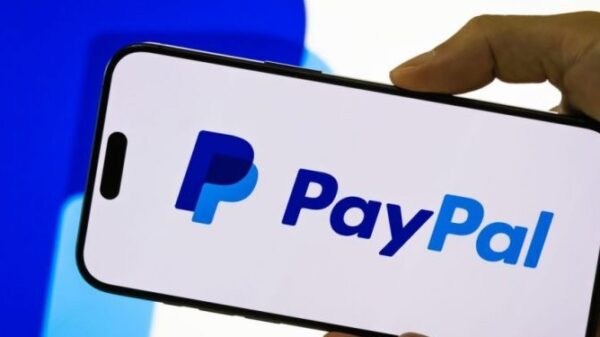
















PayPal’s renewed engagement with Nigeria has triggered intense debate across social media, with reactions ranging from outright boycott calls to cautious optimism and pragmatic acceptance driven by business considerations.
The renewed activity follows a partnership between PayPal and local fintech company Paga, disclosed by Paga’s founder, Tayo Oviosu. The collaboration now allows Nigerian users to receive payments via PayPal—an important shift from years of limited functionality, during which Nigerians could make outbound payments but were unable to receive funds.
The development marks a significant change in PayPal’s long-standing posture toward Nigeria and has reopened conversations around trust, inclusion, and the evolving fintech landscape in the country.
Backlash and boycott calls
Many Nigerians reacted angrily, arguing that PayPal’s return does not resolve years of frustration linked to account freezes, withheld funds, and what they described as unfair targeting of Nigerian users.
Several users on X accused the company of stigmatizing Nigerians as fraud risks and called for a boycott in favour of homegrown fintech platforms. Critics argue that local payment solutions are faster, cheaper, and more responsive, and that PayPal’s re-entry should not be celebrated without accountability for past actions.
Others expressed fears that Nigerian users—particularly freelancers and gig workers—could again face prolonged fund holds, limited customer support, and sudden account restrictions. Some warned that users should proceed with caution, noting that dispute resolution mechanisms may still be weak and that Nigerian consumers lack strong institutional backing in cross-border financial conflicts.
Business-first perspectives
Despite the backlash, a number of users offered a more pragmatic view, framing PayPal’s return as a commercial decision rather than an act of goodwill.
According to this perspective, PayPal’s renewed interest in Nigeria reflects the country’s growing role in the global digital economy. With more Nigerians earning foreign income through freelancing, remote work, startups, and digital services, significant transaction volumes were already flowing through alternative platforms such as Payoneer, Deel, Raenest, and even cryptocurrencies.
Some commentators argued that PayPal risked being sidelined if it remained absent from Nigeria’s fast-evolving payments ecosystem. In this view, the company’s return is simply a response to market pressure and competition, similar to recent moves by Nigerian banks to restore international Naira card services.
Others suggested that the partnership with Paga could be part of PayPal’s broader strategy to push new products, including its PYUSD stablecoin, into high-adoption markets like Nigeria, where financial tools often scale rapidly through widespread use.
Divided reactions, personal choices
While some Nigerians welcomed the development as an additional option for cross-border payments, many insisted they would stick with existing platforms they trust. Several users noted that competition in the fintech space ultimately benefits consumers, even if individuals choose not to use PayPal.
Still, the emotional divide remains sharp. For some, PayPal’s history in Nigeria is difficult to forget. For others, the return represents an opportunity—particularly for businesses and freelancers seeking more global payment channels.
What you should know
PayPal’s limited operations in Nigeria date back to concerns over fraud and weak regulatory frameworks. In the early 2000s, PayPal restricted services in several African countries, including Nigeria, citing high levels of credit card fraud and the absence of robust identity and banking systems. Fraud rings were reported to have exploited stolen financial details to create and operate PayPal accounts, posing risks to the platform’s global network.
Under the new arrangement, Nigerian users can link their PayPal accounts to Paga wallets, view PayPal balances within the Paga app, convert funds, and withdraw in Naira. Whether this marks a lasting reset in PayPal’s relationship with Nigeria or simply a cautious re-entry remains to be seen.

Emmanuel Bassey is a Financial Expert that has worked in the Banking and Finance Industry for over 15+ years across different banks in Nigeria


