


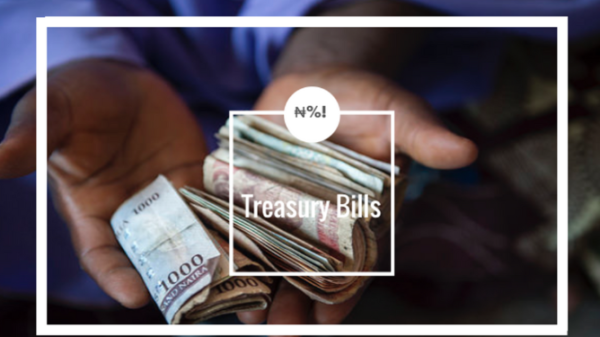









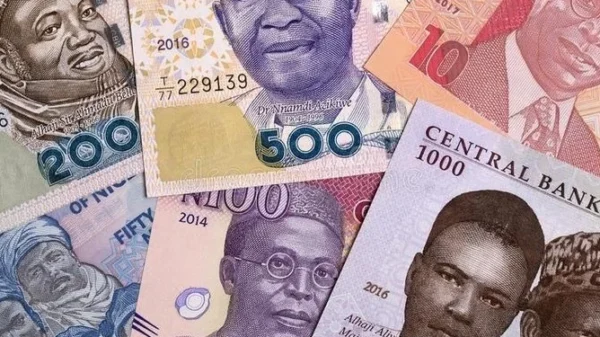





















Nigeria’s currency held outside the formal banking system rose to an all-time high of N5.4 trillion by the end of 2025, highlighting a significant increase in the volume of physical cash retained by individuals and businesses across the country. The latest figures underscore a growing reliance on cash, despite long-standing policy efforts aimed at promoting digital payments and reducing the economy’s dependence on physical currency.
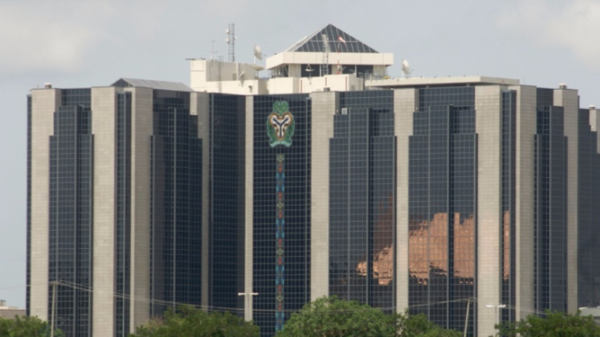
The data, released as part of the Central Bank of Nigeria’s (CBN) money supply statistics, provides insight into liquidity conditions and cash usage patterns within the economy. The sharp rise in currency outside banks occurred alongside a broader expansion in money supply, with total money supply closing the year at approximately N124.4 trillion. This combination has raised fresh questions about the effectiveness and pace of Nigeria’s transition toward a cashless economy.
Currency in circulation also reached a historic high of N5.7 trillion in December 2025, indicating that only a relatively small portion of total cash remained within commercial bank vaults. The figures suggest that a significant share of naira notes continues to circulate directly among households, traders, and businesses rather than being held in deposit accounts.
What the Data Shows
Currency outside banks represents physical cash that is not deposited within the formal banking system. As of December 2025, this figure stood at N5.4 trillion, the highest level ever recorded. This surpassed the previous record of N5.125 trillion observed in December 2024.
While currency outside banks typically rises toward the end of each year due to increased spending during the festive season, the scale of the increase in 2025 was particularly notable. Throughout the year, currency outside banks averaged about N4.5 trillion, before accelerating sharply in the final months and crossing the N5 trillion threshold.
Total currency in circulation followed a similar trajectory, climbing steadily and closing the year at N5.7 trillion. The sustained growth in physical cash usage appears to contrast with the CBN’s long-standing objective of reducing cash transactions through digital payment systems, electronic transfers, and financial technology platforms.
Although the current CBN leadership continues to support digital financial inclusion, recent monetary policy actions suggest a greater reliance on orthodox tools—such as interest rate adjustments and liquidity management—rather than direct restrictions on cash availability.
Policy Context and Historical Background
The current rise in currency outside the banking system marks a significant shift from the approach adopted by the previous CBN leadership. In the period leading up to Nigeria’s 2023 general elections, the central bank pursued an aggressive strategy to limit cash availability, culminating in one of the sharpest contractions in currency circulation in recent history.
In January 2023, currency outside banks fell to a record low of N792.1 billion following the introduction of the naira redesign policy. The initiative significantly restricted access to physical cash, triggering widespread economic disruption, supply chain challenges, and public dissatisfaction. Although the policy was officially framed as a measure to improve monetary control and curb illicit financial activities, many observers believed it was also intended to limit the use of cash during the election period—an allegation the CBN denied.
Since the appointment of the current CBN Governor, Yemi Cardoso, the Bank has recalibrated its approach. Policy focus has shifted toward stabilising prices, strengthening the currency, and restoring confidence in the financial system, while allowing cash to circulate more freely alongside digital payment options.
Implications for the Financial System
The increased availability of cash outside the banking system has contributed to the rapid expansion of Nigeria’s agency banking network, particularly Point-of-Sale (PoS) operations. Access to cash has become a major source of income for thousands of PoS operators nationwide, especially in areas with limited bank branch coverage.
However, rising demand for cash services has also driven up operating costs. The price of PoS terminals has increased significantly between 2023 and 2025, influenced by inflation, foreign exchange pressures, and higher logistics expenses. Entry-level terminals that once sold for N15,000 to N20,000 now cost around N21,500, while more advanced smart devices have more than doubled in price.
At the same time, the CBN has tightened regulatory oversight of agent banking activities. New rules require geo-tagging of PoS terminals and impose penalties starting from N5 million, with additional daily fines for continued non-compliance. These measures reflect growing efforts to formalise and monitor cash distribution channels, even as physical cash remains deeply embedded in Nigeria’s economic activity.
Overall, the record level of currency outside banks highlights the complex balance Nigeria faces between promoting digital finance, ensuring liquidity, and maintaining monetary stability in an economy where cash continues to play a central role.

Emmanuel Bassey is a Financial Expert that has worked in the Banking and Finance Industry for over 15+ years across different banks in Nigeria


