

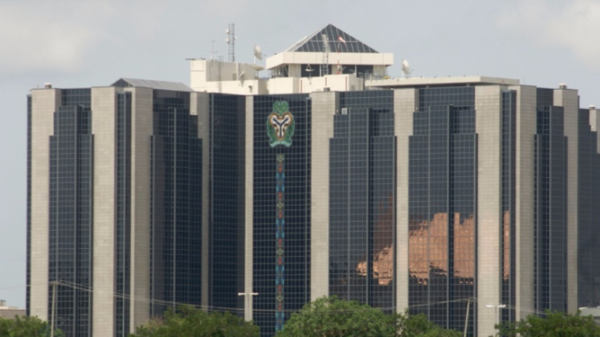

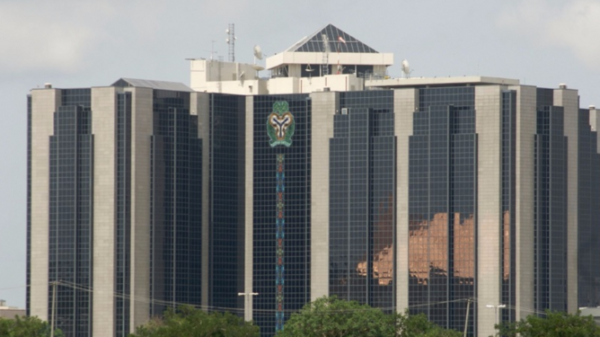







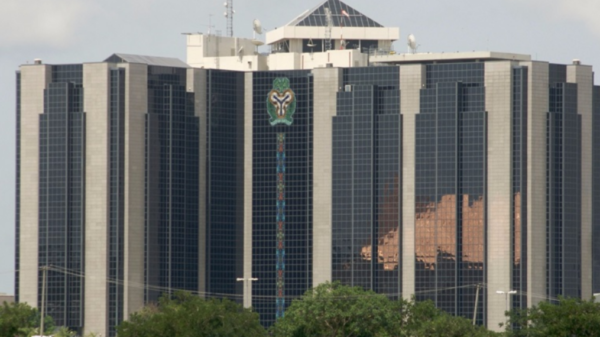

















The Central Bank of Nigeria (CBN) has approved a temporary dispensation allowing importers to use expired National Agency for Food and Drug Administration and Control (NAFDAC) licences for import documentation, providing short-term relief to businesses affected by ongoing system transitions in Nigeria’s trade processing framework.
The approval was conveyed in a circular issued on January 26, 2026, by the CBN’s Trade and Exchange Department and published on the apex bank’s website on Tuesday. The circular authorises authorised dealer banks (ADBs) to continue processing Form M applications with NAFDAC licences that expired on December 31, 2025.
According to the CBN, the temporary window will run for two months and will lapse on February 28, 2026.
The circular was signed by the Director of the Trade and Exchange Department, Aliyu M. Ashiru.
What the circular says
In the circular, the CBN stated:
“The Central Bank of Nigeria wishes to notify all Authorised Dealer Banks (ADBs) and the general public of a temporary dispensation offered by the National Agency for Food and Drug Administration and Control (NAFDAC) permitting the continued use of NAFDAC licences that expired on 31st December, 2025, for the processing of Forms M for a two-month temporary dispensation ending February 28, 2026.”
The apex bank explained that the decision followed a temporary approval granted by NAFDAC itself, allowing the affected licences to remain valid strictly for Form M processing during the approved period.
The CBN emphasised that the dispensation applies only to import documentation and does not amount to a full extension or renewal of the licences beyond the stated purpose.
System transition behind the approval
According to the CBN, the temporary measure was necessitated by operational challenges linked to the transition away from the legacy Nigeria Integrated Customs Information System II (NICIS II) platform.
The bank noted that importers have faced difficulties validating or renewing NAFDAC licences following the migration, particularly due to technical and operational issues encountered on the new B’Odogwu platform after December 2025.
These challenges, the CBN said, have created bottlenecks in trade documentation processes, raising concerns about potential disruptions to imports, especially for regulated food, drug, and pharmaceutical products.
To mitigate delays and ensure continuity in trade transactions, the CBN directed authorised dealer banks to continue accepting expired NAFDAC licences for Form M processing within the two-month window.
The apex bank stressed that the approval is strictly time-bound and warned that it would lapse automatically on February 28, 2026, without further extension. It urged banks to comply fully with the terms of the dispensation to avoid regulatory breaches.
The CBN added that the measure is intended to provide breathing space while NAFDAC completes the integration of its systems with the National Single Window framework.
What you should know
Form M is a mandatory electronic import documentation platform in Nigeria used to capture detailed information on goods imported into the country. It serves as a critical tool for trade monitoring, foreign exchange utilisation, and customs clearance.
The platform is processed through authorised dealer banks and is linked to Nigeria Customs systems, making it central to import control, FX demand management, and trade data integrity.
Through Form M, regulators verify product compliance, applicable licences such as NAFDAC approvals, tariff classifications, and the legitimacy of import transactions before goods arrive in Nigeria.
Oversight of Form M falls under the Central Bank of Nigeria, which regulates access to foreign exchange for imports and sets operational guidelines for authorised dealer banks. Through its Form M policies, the CBN plays a direct role in managing Nigeria’s balance of payments, reducing trade-related FX leakages, and aligning import activities with national economic and regulatory priorities.

Emmanuel Bassey is a Financial Expert that has worked in the Banking and Finance Industry for over 15+ years across different banks in Nigeria


