Hi, what are you looking for?

Financialslot
- Bank

FCMB Posts N200.91bn Pre-Tax Profit in 2025 Results on Strong Interest Income
Moniepoint MFB Processes N412 Trillion Transactions in 2025, Disburses Over N1 Trillion in SME Loans
CBN Urges Nigerian Banks to Act Faster Against Emerging Fraud Threats
CBN auctions N1.15 trillion Treasury Bills amid liquidity surge and rate uncertainty
Microfinance Banks’ Non-Financial Assets Hit Record ₦358.79bn as Sector Balance Sheets Expand
- Business

How to Start a Passive Online Business in Nigeria That Pays You While You Sleep

EFCC Witness Alleges Ngige Awarded N80 Million NSITF Contract Outside Bidding
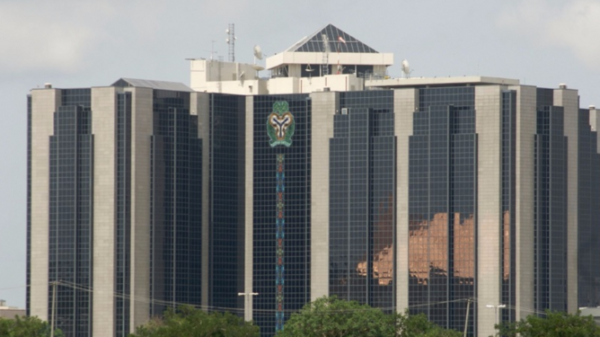
CBN Approves Temporary Use of Expired NAFDAC Licences for Imports Until February 28

Court Orders Forfeiture of Orlean Invest Jet Over Unpaid N1.04 Billion Customs Duty

Soludo Orders One-Week Closure of Onitsha Main Market Over Continued Sit-at-Home
- Cryptocurrency
Morgan Stanley moves to launch Bitcoin and Solana ETFs as Wall Street deepens crypto exposure

MEXC Partners with ether.fi to Launch Enhanced Payment Card Offering Up to 4% Cashback and Global Crypto Spending

Crypto Thefts Surge to $3.4 Billion in 2025 as North Korea Dominates Global Attacks

Ghana Parliament Legalises Cryptocurrency as Lawmakers Move to Regulate a Market with Nearly 3 Million Users

CBN–SEC Collaboration Crucial for Effective Crypto Regulation in Nigeria — Okonkwo
- Finance

The Ultimate Guide to the Best Escrow Services in Nigeria for Secure B2B Transactions (2026)

FAAN Raises Cargo Port Charges to N20 from N7, Effective Immediately

PayPal’s Return Sparks Boycott Calls and Mixed Reactions Among Nigerians
FGN Bond Auction Overshoots N900bn Offer, Allots N1.54trn in January 2026

Currency Outside Nigeria’s Banking System Hits Record N5.4 Trillion at End of 2025
- Fintech

SnappyPay Launches in Nigeria After Extensive User Testing, Targets Faster Digital Payments

Bazara Tech Launches Manovar, an AI-Driven Corporate Banking Platform Transforming Enterprise Financial Services in Africa

Why Flexible Payments Are Set to Shape Nigeria’s Black Friday Performance This Year

UAE Launches $1 Billion Artificial Intelligence Initiative to Transform Government Services Across Africa

World Bank Deploys Blockchain-Powered FundsChain System to Strengthen Transparency in Nigeria’s Project Financing
- Health

Avon Medical Invests N200 Million in Advanced ICU to Strengthen Critical-Care Services in Nigeria
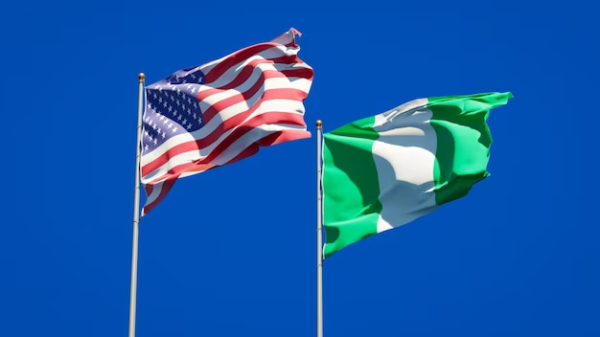
United States Commits $2 Billion in Health Grants to Nigeria for 2026–2030

Gombe State Commits N500 Million to Combat Rising Child Malnutrition Through RUTF Programme

Lagos Eyes N400 Billion in Annual Healthcare Funding Through Expanded Insurance Coverage

FG to Release ₦11.99 Billion Within 72 Hours to Settle Doctors’ Outstanding Arrears
- Insurance

NDIC Warns Mandatory Fiscal Deductions Are Weakening Deposit Insurance Fund

IEI Plc Targets N22 Billion Capital Raise as It Enters New Growth Phase Amid Leadership Transition

‘N98 Billion Probe’: Speaker Abbas Seeks Dismissal of Insurers’ CEOs’ Restraining Suit

NEM Insurance Reports ₦75.41 Billion Revenue in Q2 2025 as Nigerian Insurance Sector Hits ₦1.2 Trillion Milestone

Customers Applaud NEM Insurance for Excellent Service, Prompt Claims, and Reliability
- Law

FCCPC Sets January 5, 2026 Deadline for Mandatory Compliance With New Digital Lending Regulations

Receivership Battle: Nestoil Sues Eight Nigerian Banks and Afreximbank to Halt Asset Takeover
PETROAN Warns Against Monopoly Risk as 15% Fuel Import Duty Takes Effect

Maj. Gen. Waidi Shaibu: Nigeria’s Newly Appointed Chief of Army Staff
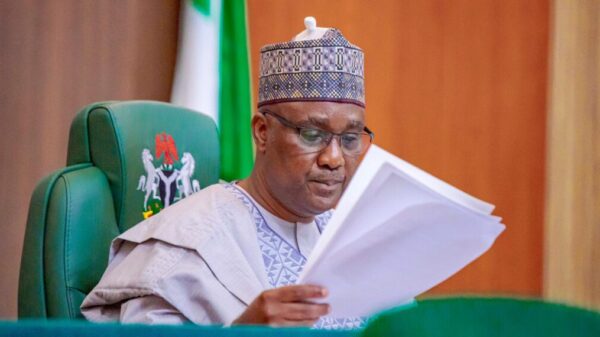
Speaker Abbas urges Algeria to adopt visa-free policy for Nigerians to enhance trade, education, and research ties
- Tax

Lagos to Seize Unpaid Taxes Directly from Banks, Third Parties Under New Tax Law

KPMG Says Tax Reforms Newsletter Was Meant to Aid Clarity, Not Criticise Government Policy

Nigerian Tax Act 2025 Removes VAT on Gaming Stakes, Clarifies Tax Treatment for Betting Operators

New Tax Laws Clarified: Only Income Is Taxable, Not Bank Inflows — Analyst

House Releases Certified Copies of Four Tax Reform Acts to Quell Controversy and Restore Confidence


Agriculture
Nigeria is positioning itself to become Africa’s second commercial producer of cloves, as plans advance to onboard about 74,000 farmers into the country’s first nationwide cloves...


Agriculture
Assetrise Limited, in partnership with the Nigerian Society of Engineers (NSE), has commissioned a fully locally fabricated three-tonnes-per-hour palm oil processing mill alongside an...
Business
If you have been looking for a realistic way to make money online in Nigeria, you have probably realized that most “passive income” ideas...




Marketing
If you run a beauty, fashion, or retail business in a busy city like Port Harcourt or Lagos, your daily income usually depends on...