





















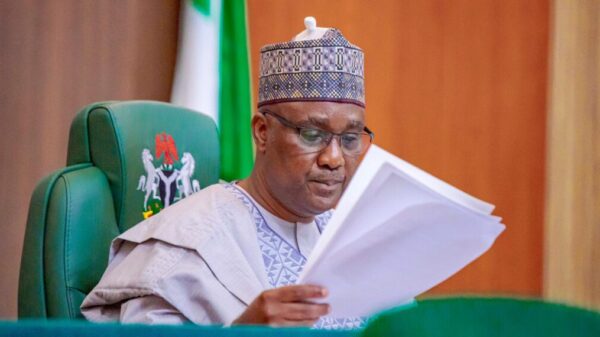


Kaduna State Governor, Senator Uba Sani, on Monday laid before the Kaduna State House of Assembly a N985.9 billion Appropriation Bill for the 2026 fiscal year, describing it as one of the most people-focused and development-driven budgets the state has ever produced. The proposed spending plan—nearly N200 billion higher than the N790 billion budget for 2025—seeks to consolidate gains in security, infrastructure, education, healthcare, and rural development while deepening inclusive governance across all local government areas.
Presenting the budget at the historic Lugard Hall in Kaduna, the Governor emphasized that the exercise was far more than a constitutional obligation. It was, according to him, “a solemn civic engagement anchored on transparency, equity, accountability, and the welfare of every resident of Kaduna State.” He added that the 2026 proposal embodies renewal, resilience, and a far-reaching vision for progress in every home, ward, and community.
A Budget Built on Unprecedented Consultations
Governor Sani disclosed that the 2026 draft budget went through one of the broadest multi-level consultative processes ever implemented in Kaduna State. Stakeholders who shaped the fiscal plan included traditional rulers, civil society groups, women and youth associations, academics, business leaders, religious leaders, and vulnerable groups such as persons with disabilities and widows.
Engagements were conducted across all 23 local government areas, ensuring that grassroots concerns—from farmers to artisans, traders, teachers, and rural households—were directly reflected in the final document. The Governor said this approach strengthens participatory democracy and gives citizens a stronger sense of ownership over the state’s development priorities.
Budget Structure and Sectoral Allocation
The Appropriation Bill forecasts N734.2 billion in recurrent revenue and N251.6 billion in capital receipts. In line with the administration’s focus on long-term development, capital expenditure accounts for 71% of the total budget.
Sectoral allocations include:
-
Education – 25%
-
Infrastructure – 25%
-
Health – 15%
-
Agriculture – 11%
-
Security – 6%
-
Social Development – 5%
-
Governance – 5%
-
Climate Action – 4%
As part of its community empowerment and grassroots development strategy, the government earmarked N100 million for each of Kaduna’s 255 wards under the Ward Development Committee initiative. Sani described it as the largest grassroots budgeting model in Nigeria, enabling communities to identify and execute projects that directly address their most urgent needs.
Review of 2025: Achievements Despite Headwinds
Governor Sani highlighted several notable achievements in the 2025 fiscal year, despite economic challenges, fluctuating federal allocations, and significant security concerns.
In the area of security, he said Kaduna had made measurable progress in combating banditry, kidnapping, and communal tensions. Many previously unsafe farmlands and schools were reopened, and peacebuilding interventions under the Kaduna Peace Model helped restore stability across volatile hotspots.
Infrastructure development also accelerated. The state is currently executing 140 road projects spanning 1,335 kilometers, with 64 already completed. These new roads have begun unlocking economic corridors and reconnecting rural communities neglected for decades.
The transport sector recorded major reforms, including:
-
The upcoming Kaduna Bus Rapid Transit (KBRT) system—Northern Nigeria’s first—featuring CNG-powered buses and digital ticketing.
-
An interstate bus terminal in Kakuri (75% completed).
-
A subsidised transport scheme that has saved residents over N500 million.
-
Continued progress on the Kaduna Light Rail Project, with Phase I covering Rigachikun–Sabon Tasha and Phase II connecting Millennium City–Rigasa.
-
Construction of new bus parks across the metropolis.
Agriculture and Food Security Gains
Agricultural investments surged from N1.4 billion in 2023 to N74.2 billion in 2025, enabling large-scale recovery of over 500,000 hectares of abandoned farmland. Farmers also benefited from expanded irrigation support, livestock vaccination campaigns, mechanisation programmes, seed distribution, and more than 900 truckloads of free fertiliser.
The Governor highlighted the state’s participation in the $510 million AfDB-supported Special Agro-Industrial Processing Zone, which positions Kaduna as a leading agro-industrial centre in West Africa.
Education and Health: Central Pillars of Human Capital Development
The administration recorded significant strides in education. In 2025 alone:
-
535 schools were reopened,
-
300,000 out-of-school children returned to classrooms,
-
736 new classrooms were built,
-
1,220 classrooms were renovated,
-
Over 33,000 teachers received training, and
-
New bilingual and vocational schools were established.
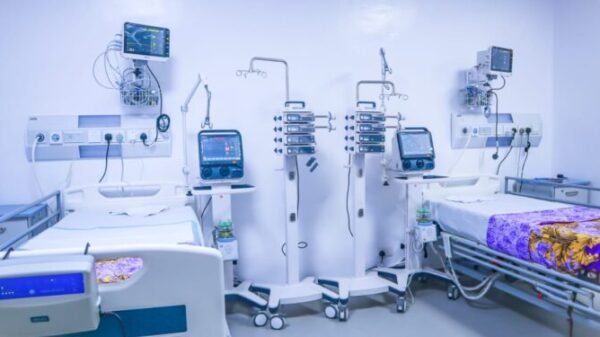
In the health sector, all 255 Primary Healthcare Centres were upgraded to Level 2 status, while 15 general hospitals were renovated and five more completed. The state also commissioned the 300-bed Bola Tinubu Specialist Hospital and implemented the CONMESS and CONHESS wage structures. Additional investments went into emergency response systems, oxygen plants, digital medical warehousing, and a N1 billion health insurance subsidy for vulnerable families.
Assembly Commends Proposal
Responding on behalf of the legislature, Speaker Yusuf Liman praised the budget as ambitious, comprehensive, and development-focused. He commended the Governor for empowering lawmakers with greater involvement in constituency projects—a first in Kaduna’s political history—and promised a thorough and transparent review process.
He assured residents that the Assembly would work harmoniously with the Executive to fast-track reforms and ensure balanced, statewide development.

Emmanuel Bassey is a Financial Expert that has worked in the Banking and Finance Industry for over 15+ years across different banks in Nigeria


