



























Non-financial assets held by microfinance banks (MFBs) in Nigeria rose to a record ₦358.787 billion in June 2025, highlighting the sector’s growing accumulation of physical and intangible assets alongside rapid balance-sheet expansion.
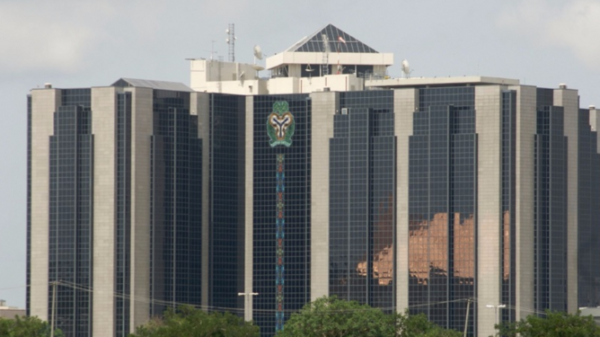
The figures are contained in the latest quarterly statistical bulletin released by the Central Bank of Nigeria (CBN).
What the data shows
The June 2025 position represents a 0.88% month-on-month increase from ₦355.650 billion in May 2025. On a year-on-year basis, non-financial assets surged by ₦131.08 billion, translating to a 57.56% increase compared with ₦227.707 billion in June 2024.
The steady rise points to a structural shift in the asset composition of microfinance banks, as operators continue to invest more heavily in property, equipment, vehicles, technology, and other non-financial holdings.
Month-by-month trend
CBN data shows consistent growth through the first half of 2025:
-
January 2025: ₦314.752 billion (up from ₦168.691 billion in January 2024)
-
February 2025: ₦317.986 billion (from ₦181.198 billion in February 2024)
-
March 2025: ₦320.334 billion (from ₦197.298 billion in March 2024)
The pattern underscores sustained asset accumulation across the sector rather than a one-off spike.
Total assets cross ₦5 trillion
Beyond non-financial assets, the bulletin shows that total assets of licensed microfinance banks climbed to ₦5.228 trillion in May 2025, the highest level ever recorded.
Between December 2024 and May 2025, total assets expanded by ₦1.267 trillion, representing 32% growth in just five months. Regulators and analysts see this metric as critical for assessing capital adequacy, regulatory compliance, and the sector’s preparedness for potential recapitalisation requirements.
What counts as non-financial assets
Non-financial assets derive value from their physical substance, utility, or contractual rights, rather than from being traded on financial markets. For microfinance banks, these include:
-
Tangible assets: real estate, office buildings, equipment, vehicles
-
Intangible assets: goodwill, software, trademarks, and other intellectual property
Rising holdings in this category may reflect branch expansion, digital infrastructure investments, or consolidation of operational capacity.
Why it matters
The sharp increase in non-financial and total assets signals growing scale and ambition within Nigeria’s microfinance sector. While stronger balance sheets can support wider financial inclusion and credit delivery, analysts note that excessive concentration in non-earning assets could also affect liquidity and profitability if not carefully managed.
What you should know
The same CBN bulletin revealed that Nigerians withdrew ₦36.34 trillion via ATMs between January and June 2025, a 197.66% jump from ₦12.21 trillion in the same period of 2024—despite new withdrawal fees.
Transaction volumes also rose sharply, with 858.80 million ATM withdrawals recorded in the first half of 2025, up 72.98% from 496.47 million a year earlier. The data suggests that higher charges did little to dampen cash demand, even as banks—microfinance institutions included—continue to expand their asset base.
Together, these trends point to a financial system experiencing rapid growth, rising activity, and increasing operational scale, with microfinance banks playing a more prominent role in Nigeria’s evolving banking landscape.

Emmanuel Bassey is a Financial Expert that has worked in the Banking and Finance Industry for over 15+ years across different banks in Nigeria


