























The Yobe State Government has announced that it has fully cleared outstanding gratuity obligations owed to retirees of both the state and local governments, spending a total of ₦15.4 billion to offset arrears accumulated over several years.
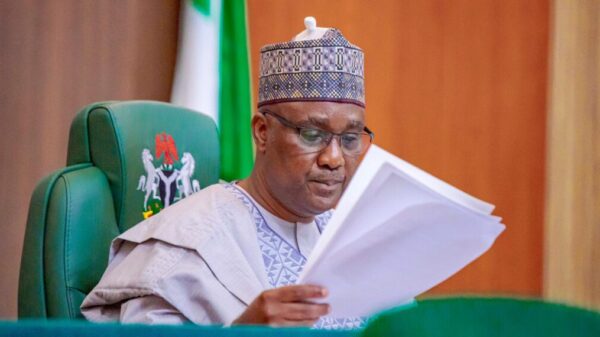
The disclosure was made on Wednesday in Damaturu by the Secretary to the State Government (SSG), Alhaji Baba Wali, during a press briefing marking six years of the administration of Governor Mai Mala Buni.
According to Wali, the payments have eliminated all gratuity liabilities, providing long-awaited relief to retired public servants across the state. He described the clearance of the backlog as a major social intervention by the administration, aimed at restoring dignity and financial stability to retirees who had waited years for their entitlements.
Security, jobs, and capacity building
Beyond gratuity payments, the SSG outlined several interventions undertaken by the state since 2019. On security, he said the government had procured 250 operational vehicles and 500 motorcycles for security agencies, while more than 300 patrol and specialised vehicles were rehabilitated. In addition, over 2,000 vigilantes, hunters, and hybrid force operatives were engaged to complement formal security operations across the state.
In employment and human capital development, Wali disclosed that the government had recruited 6,449 workers and organised about 35 training programmes for more than 6,395 civil servants. He added that over 26,000 teachers had been trained or retrained, while more than 4,000 teaching and non-teaching staff were recruited into primary and secondary schools statewide.
Infrastructure and social services
On infrastructure, the SSG said approximately 500 kilometres of roads had either been completed or were ongoing. Key projects include the Geidam–Bukarti, Damagum–Gubana, Nguru–Bulanguwa, and Fika–Maluri roads.
He also revealed that the ₦22 billion flyover and underpass project in Damaturu, being executed by Triacta Nigeria Limited, is expected to be delivered in the first quarter of 2026.
In the education sector, Wali said the administration constructed six model schools, seven mega schools, nine girls’ secondary schools, and eight co-educational secondary schools. He added that the government continues to pay WAEC, NECO, and NABTEB registration fees for all students in the state.
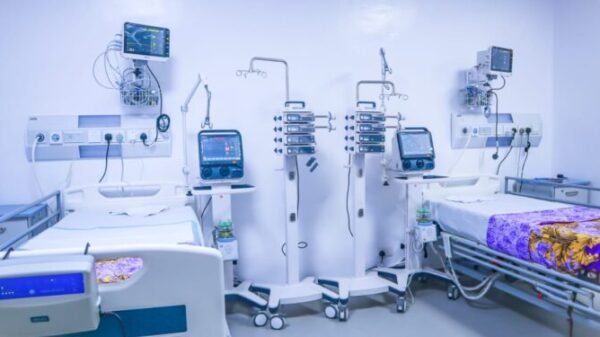
Healthcare interventions include the construction or rehabilitation of Primary Healthcare Centres in 140 of the state’s 178 wards, the procurement of 88 tricycle ambulances, and the enrolment of over 300,000 residents into the state health insurance scheme. He also said drugs worth ₦2.3 billion were supplied to the Yobe Drugs and Medical Consumable Management Agency.
On transportation and power, the SSG noted that the state acquired 20 buses for the Yobe Transport Corporation, sold over 100 vehicles at subsidised rates, electrified 25 villages, extended power to more than 200 locations, and ensured 24-hour electricity in all general hospitals.
What you should know
Yobe State’s clearance of gratuity arrears and infrastructure investments build on broader development efforts. In 2024, the African Development Bank approved a $50 million loan for the Yobe State Environmental and Climate Change Action Project (ECCAP), part of a $101.34 million programme to address climate vulnerabilities, improve food security, and enhance livelihoods for over 3.5 million residents. The project also received $30 million co-financing from the Arab Bank for Economic Development in Africa.
In April 2025, the Federal Government commissioned the first phase of a 400-kilowatt solar power plant at the Yobe State University Teaching Hospital in Damaturu under the Renewed Hope Agenda, a move expected to cut power costs, reduce outages, and improve healthcare delivery.
Overall, the state government says the clearance of gratuity arrears underscores its commitment to fiscal responsibility, social welfare, and long-term development.

Emmanuel Bassey is a Financial Expert that has worked in the Banking and Finance Industry for over 15+ years across different banks in Nigeria


