
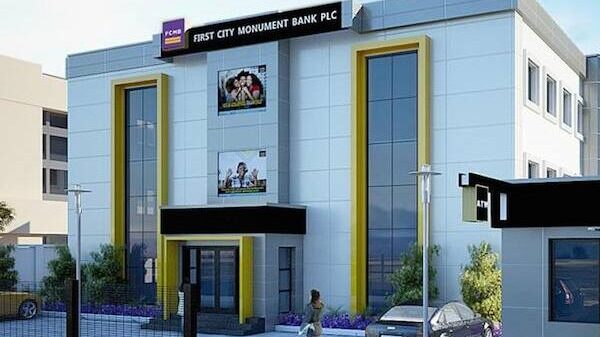




























First HoldCo Plc has announced that its flagship commercial banking subsidiary, First Bank of Nigeria Limited (FirstBank), has successfully met the Central Bank of Nigeria (CBN) minimum regulatory capital requirement of N500 billion, well ahead of the March 2026 recapitalisation deadline. The development underscores the lender’s financial strength and places it among the front-runners in the industry-wide push to comply with the apex bank’s new capital thresholds.
The disclosure was contained in a regulatory filing signed by the Group Company Secretary, Abiola Baruwa, and submitted to the Nigerian Exchange Limited (NGX). The announcement comes at a time when Nigerian commercial banks are accelerating capital-raising efforts in response to the CBN’s recapitalisation programme, which aims to strengthen the banking system and improve its ability to support economic growth.
How FirstBank met the requirement
According to the statement, FirstBank achieved the N500 billion minimum capital base through a combination of carefully structured market and balance-sheet initiatives. These included a Rights Issue offered to existing shareholders, a Private Placement targeted at strategic investors, and the injection of proceeds from the divestment of the Group’s merchant banking subsidiary.
First HoldCo explained that the blended approach allowed the Group to meet regulatory requirements without excessive strain on any single funding channel. By combining equity market transactions with asset optimisation, the holding company was able to shore up capital efficiently while maintaining balance-sheet flexibility.
“This milestone was achieved following the completion of a series of strategic capital initiatives,” the Group stated, adding that the process reflects disciplined capital planning and a proactive response to regulatory changes.
Stronger balance sheet, broader ambitions
Beyond regulatory compliance, First HoldCo said the successful recapitalisation significantly strengthens the Group’s financial resilience and positions it for sustained growth over the medium to long term. With a larger capital buffer, FirstBank is expected to expand its lending capacity, support larger-ticket transactions, and deepen its role in financing Nigeria’s real economy.
The Group noted that the enhanced capital base will support earnings growth through business expansion, increased investment in technology and digital banking, and the pursuit of new opportunities across its core African markets. In an increasingly competitive banking landscape, stronger capitalisation is also expected to improve FirstBank’s risk absorption capacity and resilience against macroeconomic shocks.
Analysts say early compliance gives FirstBank a strategic advantage, as banks that meet the requirement ahead of the deadline are better positioned to focus on growth initiatives rather than last-minute capital raises, which could dilute shareholders or raise funding costs.
Industry-wide recapitalisation drive
FirstBank’s achievement comes amid a broader industry push to meet the CBN’s revised capital requirements, which form a central pillar of the regulator’s financial system strengthening agenda. The recapitalisation programme is designed to ensure that Nigerian banks have the scale and balance-sheet strength needed to support economic expansion, manage rising risks, and compete effectively in a more integrated global financial system.
In November 2025, the CBN disclosed that 16 banks had already met the new capital thresholds, reflecting steady progress across the sector. The update was provided by CBN Governor Olayemi Cardoso during a press briefing following the Monetary Policy Committee (MPC) meeting in Abuja.
The figure marked an improvement from the 14 banks that had complied as of the September MPC meeting, signalling what the apex bank described as growing momentum and commitment within the industry.
What this means for the banking sector
FirstBank’s early compliance sends a positive signal to investors, depositors, and regulators about its financial health and governance. It also highlights the effectiveness of Nigeria’s capital markets in supporting large-scale fundraising efforts by systemically important financial institutions.
For the broader sector, the steady increase in the number of compliant banks suggests that the recapitalisation exercise is gaining traction, reducing the risk of disruption as the March 2026 deadline approaches. Banks that achieve compliance early are expected to gain competitive advantages, including stronger market confidence, improved credit ratings, and greater flexibility to pursue growth opportunities.
Overall, FirstBank’s successful recapitalisation reinforces its status as one of Nigeria’s most capitalised and resilient lenders, while also reflecting the banking industry’s collective progress toward meeting the CBN’s tighter regulatory standards and strengthening the foundations of the financial system.

Emmanuel Bassey is a Financial Expert that has worked in the Banking and Finance Industry for over 15+ years across different banks in Nigeria


