


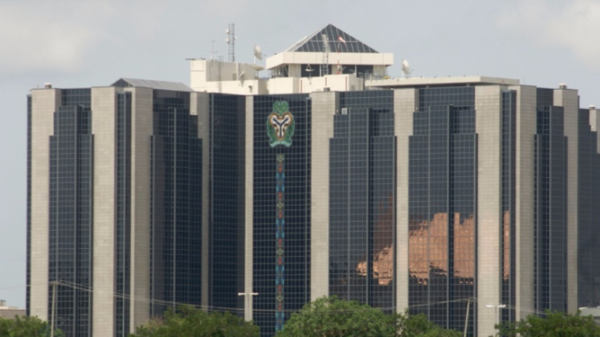









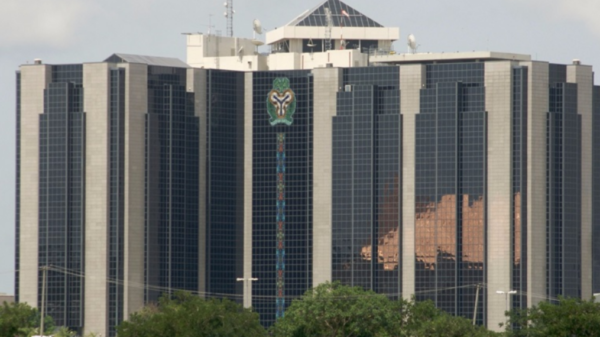




















The Central Bank of Nigeria (CBN) has outlined a reform-focused agenda for 2026 that places banking system stability, tighter regulation of financial technology firms, sustained inflation control, and the modernisation of payments infrastructure at the heart of monetary and financial policy.
The priorities were disclosed by the CBN Governor, Olayemi Cardoso, in a public statement shared on X (formerly Twitter), where he set out the apex bank’s strategic direction for the year ahead. The message signals continuity in the Bank’s reform-driven posture, reinforcing its commitment to restoring confidence in Nigeria’s financial system, strengthening macroeconomic stability, and laying the groundwork for sustainable economic growth.
According to Cardoso, the CBN’s foremost task in 2026 is to continue strengthening the banking sector through rigorous supervision, improved risk management, and higher standards of corporate governance. He stressed that a resilient banking system remains the backbone of economic stability, especially in an environment still recovering from inflationary pressures, exchange rate volatility, and confidence shocks experienced in recent years.
“As we begin 2026, our priorities are clear,” Cardoso said. “We will continue to strengthen the banking system through rigorous supervision and sound governance; refine our inflation-targeting framework to deliver durable price stability; modernise the payments infrastructure to improve efficiency and inclusion; and foster responsible fintech innovation anchored on consumer protection and financial integrity.”
Inflation control remains central
A key pillar of the 2026 agenda is inflation control, which Cardoso described as central to the CBN’s mandate and credibility. He noted that the apex bank would continue to rely on disciplined, data-driven monetary policy tools to anchor inflation expectations and stabilise the economy. This approach reflects the CBN’s broader shift toward orthodox monetary management, with less reliance on ad hoc interventions and greater emphasis on transparency and predictability.
Nigeria’s economy has endured a prolonged period of elevated inflation, which eroded purchasing power and increased business costs. While inflation has begun to moderate, the CBN’s stance suggests that policymakers are not ready to declare victory. Instead, the focus in 2026 will be on entrenching price stability and preventing a resurgence of inflationary pressures that could undermine recent gains.
Fintech growth meets tighter regulation
Another major focus of the CBN’s agenda is the fast-growing fintech ecosystem. Over the past decade, fintech firms have transformed Nigeria’s financial landscape, expanding access to payments, savings, credit, and investment products. However, their rapid growth has also raised concerns around consumer protection, regulatory arbitrage, data privacy, and systemic risk.
Cardoso made it clear that while the CBN supports innovation, it expects technology-led growth to be matched by strong governance and compliance. He said the Bank would promote responsible fintech innovation while tightening oversight to ensure financial integrity and protect consumers.
The message to fintech operators is that innovation alone is no longer sufficient. As fintechs scale and become systemically important, they will be held to higher regulatory standards similar to those applied to traditional financial institutions. This, the CBN believes, is essential to safeguarding trust in the financial system.
Payments modernisation and inclusion
The CBN also plans to accelerate the modernisation of Nigeria’s payments infrastructure in 2026. According to Cardoso, improving efficiency, reducing transaction costs, and deepening financial inclusion—particularly for underserved and unbanked populations—are key objectives.
Modern, reliable payment systems are increasingly seen as critical economic infrastructure, supporting commerce, reducing cash dependency, and enabling digital innovation. The CBN’s focus suggests continued investment in payment rails, settlement systems, and regulatory frameworks that can support a more inclusive and efficient financial ecosystem.
To support these ambitions, Cardoso disclosed plans to strengthen the CBN’s internal capacity through advanced data analytics and artificial intelligence-enabled tools. These capabilities are expected to enhance policy formulation, improve supervisory effectiveness, and sharpen regulatory oversight in an increasingly complex financial environment.
What this means for the economy
Overall, the CBN’s 2026 agenda points to a preference for stability and credibility over short-term stimulus. For banks, this implies stricter supervision and sustained pressure to improve governance and risk management. For fintechs, it signals clearer rules and tougher enforcement, alongside continued support for innovation that aligns with consumer protection and systemic safety.
For the broader economy, sustained inflation control and modernised payment systems could help reduce transaction frictions, improve efficiency, and support economic activity over the medium term. The agenda reinforces the CBN’s view that economic reform is a gradual process requiring discipline, consistency, and institutional strength.
Looking ahead, the apex bank has projected that headline inflation will moderate further in 2026, averaging 12.94%, supported by improved domestic supply conditions and stabilising energy prices. Whether these projections materialise will depend largely on the success of the CBN’s ability to balance tight policy, effective regulation, and sustained reforms in the year ahead.

Emmanuel Bassey is a Financial Expert that has worked in the Banking and Finance Industry for over 15+ years across different banks in Nigeria


