












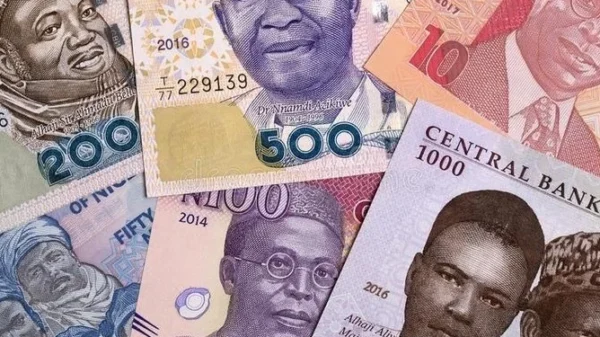





















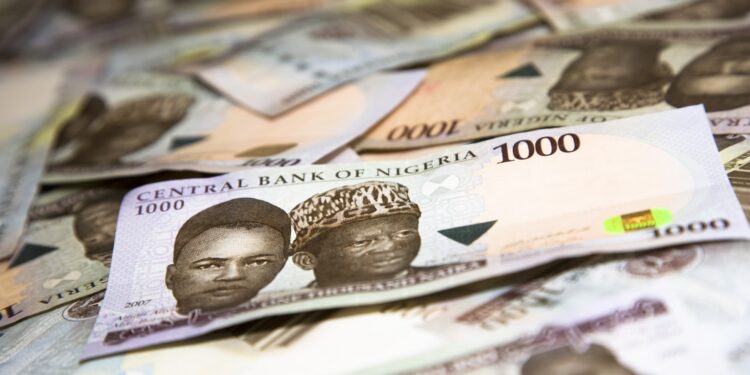
Nigeria’s broad money supply (M3) rose sharply to N122.95 trillion in November 2025, up from N119.04 trillion in October, underscoring a continued expansion in system liquidity even as monetary authorities maintain a broadly tight policy stance. The latest figures, released by the Central Bank of Nigeria (CBN), point to accommodative liquidity conditions in the banking system amid elevated interest rates and ongoing efforts to tame inflation and stabilise the exchange rate.
On a month-on-month basis, M3 expanded by N3.91 trillion, while year-on-year growth remained robust, rising from N108.97 trillion recorded in November 2024. This sustained increase suggests that liquidity is being injected into the economy through multiple channels, raising important policy questions about how the apex bank balances growth-supportive liquidity with macroeconomic stability.
A closer look at the data shows that the rise in money supply was driven by increases in both net domestic assets (NDA) and net foreign assets (NFA). Net domestic assets climbed to N85.57 trillion in November from N84.23 trillion in October, reflecting higher claims by the banking sector on the government and the private sector. This trend is often associated with increased government borrowing, rising credit to businesses and households, or portfolio rebalancing by banks toward domestic assets in search of yield.
Net foreign assets recorded an even more striking improvement, rising to N37.38 trillion in November from N34.80 trillion in October. Compared with November 2024, when NFA stood at N17.35 trillion, the figure has more than doubled. This sharp year-on-year increase points to stronger foreign exchange inflows, improved external sector conditions, and relatively healthier reserve buffers. Together, the expansion in NDA and NFA suggests that liquidity growth in Nigeria is being fuelled by both internal credit dynamics and improved external positioning.
Other monetary aggregates followed a similar upward trajectory. Broad money measured by M2 increased marginally to N122.94 trillion in November from N119.03 trillion in October, while narrow money (M1) rose to N40.53 trillion from N39.35 trillion. The growth in M1, which captures currency in circulation and demand deposits, indicates higher transactional balances in the economy and potentially stronger short-term economic activity.
The backdrop to these developments is a series of monetary policy adjustments by the CBN in the second half of 2025. In September, the Monetary Policy Committee cut the Monetary Policy Rate (MPR) by 50 basis points to 27%, citing easing inflationary pressures and relatively improved foreign exchange conditions. However, at its November meeting, the Monetary Policy Committee opted to hold the MPR steady at 27%, signalling a more cautious approach as liquidity conditions continued to loosen.
By holding rates despite rising money supply, the CBN appears to be walking a tightrope. On one hand, expanding liquidity supports credit growth, business activity, and overall economic recovery. On the other, excessive liquidity can undermine disinflation efforts and reignite pressure on the naira if not carefully sterilised. Sustained growth in NDA, particularly from government borrowing, also raises concerns about fiscal dominance and its implications for price stability.
At the same time, the sharp improvement in net foreign assets provides some comfort. Stronger external inflows and better reserve positions can help cushion the economy against external shocks, support exchange rate stability, and give the central bank more room to manage liquidity through market operations. However, if foreign inflows are not effectively absorbed, they can further add to domestic liquidity and complicate monetary management.
What this ultimately means is that Nigeria’s monetary environment remains delicately balanced. The simultaneous rise in domestic and foreign assets highlights a liquidity expansion that supports economic activity but also increases macroeconomic risks. By maintaining a tight policy stance in November, the CBN is signalling its intention to prevent rapid money supply growth from eroding recent gains in inflation moderation and exchange rate stability.
Going forward, the effectiveness of liquidity management tools—such as open market operations, cash reserve requirements, and foreign exchange interventions—will be critical. As money supply continues to expand, investors, businesses, and policymakers will be watching closely to see whether the CBN can sustain growth-supportive liquidity without compromising price stability in 2026.

Emmanuel Bassey is a Financial Expert that has worked in the Banking and Finance Industry for over 15+ years across different banks in Nigeria


