
































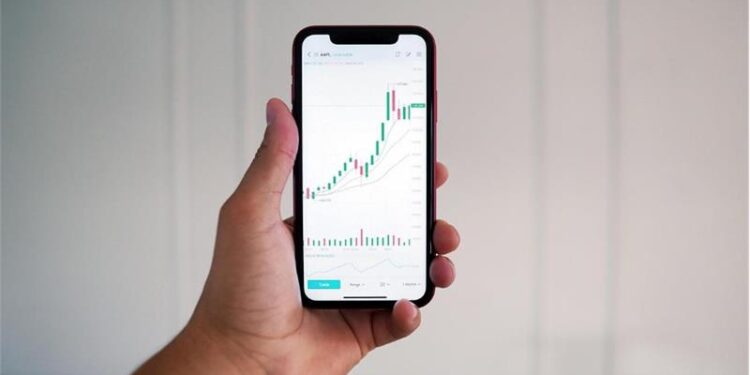
Artificial intelligence–powered trading apps are rapidly reshaping how Nigerians participate in the foreign exchange market. Across major cities such as Lagos, Abuja, and Port Harcourt, traders are moving away from fragmented tools and improvised strategies toward streamlined mobile platforms that promise clarity, speed, and structure. For many, the appeal is simple: in a fast-moving market where time, power supply, and internet access are not always guaranteed, AI offers a way to trade smarter without being glued to a screen all day.
At the heart of this shift is a growing demand for consistency. Nigerian traders, particularly newcomers, are no longer satisfied with juggling separate apps for charts, news, education, and risk management. Instead, they are gravitating toward all-in-one mobile solutions that combine these functions into a single workflow. AI sits at the center of this evolution, scanning markets, filtering noise, and translating complex data into clear, actionable insights that fit into busy daily routines.
For traders who balance studies, full-time jobs, or business commitments, AI features are especially valuable. These tools continuously analyse thousands of price movements across major currency pairs, commodities like gold, and key indices. Rather than overwhelming users with endless signals, well-designed apps prioritise relevance, pushing alerts only when specific conditions align. In an environment where power outages or unstable connections can disrupt trading plans, receiving the right alert at the right moment can make a meaningful difference.
A typical AI-enabled trading day begins with a concise dashboard overview. Traders see the broader market bias on higher timeframes, alongside shorter-term opportunities that may emerge during key sessions such as the London open or the New York overlap. Before any order is placed, built-in risk prompts encourage discipline. If spreads widen or market liquidity thins, the app may suggest reducing position size. When correlations across instruments rise, it warns that overall exposure could be creeping too high. These guardrails help traders stick to predefined rules rather than acting on impulse.
Several core functions stand out as particularly useful in the Nigerian context. Price action scanners identify breakouts, pullbacks, and divergences, ensuring that clean setups are not missed. Session-aware alerts keep attention focused on periods with deeper liquidity and more reliable price behaviour. Integrated risk tools calculate position size automatically and flag stop-loss levels that are too tight for current volatility. Perhaps most importantly, education is embedded directly into the charts, with brief explanations showing why an alert was triggered. Over time, this turns every trade into a learning opportunity.
AI also supports better entries and exits by highlighting zones where supply or demand has repeatedly held. When price revisits these areas during an active session, the app signals a potential trade and suggests where the idea would be invalidated. On the exit side, it tracks reward-to-risk ratios and alerts users when targets are reached or when momentum begins to fade, encouraging partial profit-taking instead of emotional decision-making.
However, these tools are not a shortcut to guaranteed profits. Overreliance on AI is one of the most common mistakes among new users. Alerts indicate probability, not certainty, and treating every signal as a compulsory trade often leads to overtrading. Ignoring liquidity conditions or constantly switching strategies after a few losses can also undermine results. The most successful users tend to adopt a measured approach, sticking to a small watchlist, using fixed percentage risk, and reviewing performance consistently over time.
Improved funding options and broader mobile broadband coverage are further supporting adoption. Smoother deposits and withdrawals through regulated channels reduce friction, while backup power solutions make mobile trading more practical. Together, these improvements allow AI-guided plans to function effectively without constant desk time.
Looking ahead, the popularity of AI trading apps in Nigeria is unlikely to fade. A young, tech-savvy population, rising smartphone penetration, and sustained interest in digital finance all point toward continued growth. Over the next year, traders can expect more refined session-specific alerts, volatility-aware risk tools, and simple performance reports that emphasise rule compliance over hype.
Ultimately, the edge these apps provide is not magic—it is structure. By reducing friction, highlighting cleaner setups, and reinforcing discipline, AI trading platforms help Nigerian traders focus on process rather than emotion. With a clear plan, firm risk rules, and regular review, these tools can support a more stable and sustainable path through the forex market.

Emmanuel Bassey is a Financial Expert that has worked in the Banking and Finance Industry for over 15+ years across different banks in Nigeria


