


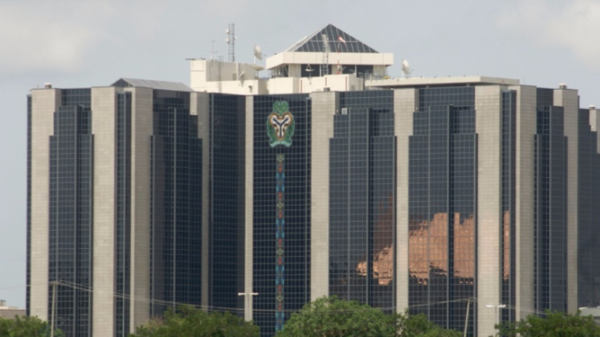




























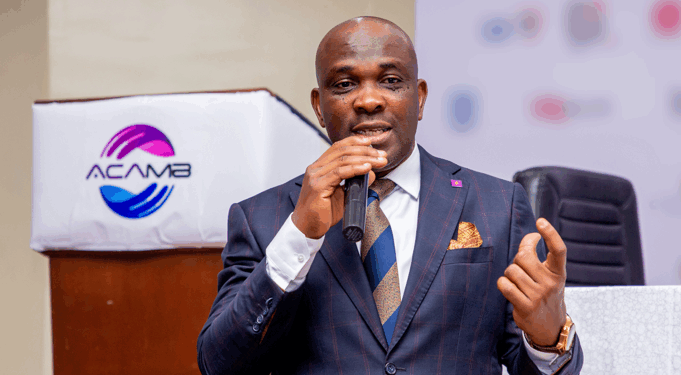
The Association of Corporate Communication and Marketing Professionals in Banks (ACAMB) has moved to calm public concerns, assuring Nigerians that no bank operating in the country is at risk of shutting down as a result of the ongoing banking sector recapitalisation exercise.
The reassurance was contained in a joint statement issued on Sunday by ACAMB President, Rasheed Bolarinwa, and the association’s General Secretary, Jide Sipe. The statement was released in response to a viral Instagram video claiming that 12 Nigerian banks would be closed by the Central Bank of Nigeria (CBN) by March 2026 for allegedly failing to meet new minimum capital requirements.
ACAMB described the claims as false, misleading, and alarmist, warning that such narratives risk undermining confidence in the financial system and spreading unnecessary panic among depositors and investors.
Recapitalisation is proactive, not a crisis response
According to the association, the recapitalisation programme introduced by the CBN is a forward-looking regulatory policy aimed at strengthening the banking sector and positioning it to support Nigeria’s long-term economic ambitions, including the Federal Government’s target of building a $1 trillion economy by 2030.
“The content creator demonstrated a fundamental lack of understanding of banking recapitalisation, making several erroneous and misleading assertions that are easily disprovable by anyone with basic knowledge of the Nigerian banking sector,” ACAMB said.
The group stressed that the recapitalisation exercise is not a reaction to distress within the industry, nor does it signal that banks are currently unsafe. Rather, it is designed to ensure that banks scale up their capital base in line with the growing size and complexity of the Nigerian economy.
ACAMB added that Nigerian banks remain safe, sound, and adequately capitalised, with strong capital adequacy buffers that allow them to meet customer obligations and regulatory standards.
Focus on core ownership capital
Clarifying a common source of confusion, the association explained that the recapitalisation framework focuses specifically on core ownership capital—namely share capital and share premium—rather than total shareholders’ funds or other instruments such as bonds and preference shares.
This distinction, ACAMB noted, is critical, as it means banks are required to strengthen their permanent capital base, thereby improving resilience, governance, and their capacity to absorb shocks.
Banks making steady progress
ACAMB disclosed that all licensed banks submitted detailed recapitalisation plans to the CBN in 2024. These plans were thoroughly reviewed and approved by the regulator before implementation began.
“All banks have a fair and realistic chance of meeting their recapitalisation targets, with more than one-third already having met theirs and most others at advanced stages of implementation,” the association said. It added that the CBN has publicly expressed satisfaction with the pace and quality of compliance across the industry.
Addressing claims targeted at specific institutions, ACAMB stated that several banks mentioned in the viral video are either well above the required thresholds or are backed by strong parent institutions. International banks such as FirstBank, UBA, Fidelity Bank, and FCMB were described as having exceeded the relevant capital benchmarks, while foreign subsidiaries like Citibank Nigeria and Standard Chartered Bank Nigeria remain solidly supported by their global parents.
The association also noted that other lenders, including Sterling Bank and Polaris Bank, have clear and credible recapitalisation pathways and continue to operate normally.
Regulatory confidence and oversight
ACAMB recalled comments by Olayemi Cardoso, Governor of the CBN, who stated in November that the recapitalisation exercise is progressing in an orderly manner and in line with regulatory expectations. Nigeria’s 44 deposit-taking banks, across different licence categories, remain under strict regulatory oversight, ensuring system-wide stability.
Warning against misinformation
The association strongly condemned the spread of unverified and sensational claims about bank closures, describing them as baseless and potentially harmful to economic stability. It warned that such misinformation could be reported to law enforcement agencies where it amounts to false representation, economic sabotage, or breaches of the Cybercrime Act.
While reaffirming support for freedom of expression, ACAMB emphasised that public commentary on sensitive sectors like banking must be accurate, responsible, and fair.
Why it matters
The CBN recently disclosed that 16 banks have already met the new recapitalisation thresholds, an improvement from 14 banks reported in September. The progress, announced after a Monetary Policy Committee meeting in Abuja, signals growing compliance ahead of the March 2026 deadline.
For customers and investors, ACAMB’s message is clear: the recapitalisation programme is intended to strengthen Nigerian banks, not shut them down. Nigerians, the group said, should continue their banking activities with confidence, assured that the sector remains stable and resilient.

Emmanuel Bassey is a Financial Expert that has worked in the Banking and Finance Industry for over 15+ years across different banks in Nigeria


