


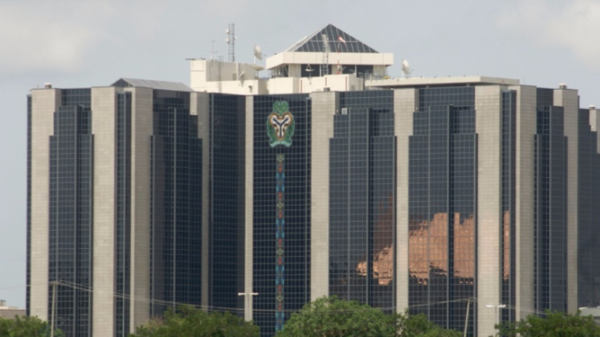








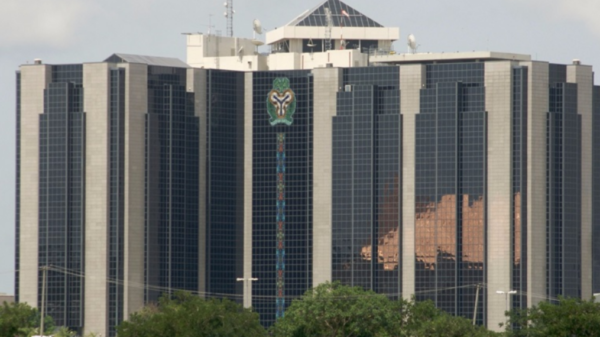
















Nigeria’s recent removal from the Financial Action Task Force (FATF) grey list has delivered a major boost to the country’s financial reputation and safeguarded the economy from losing more than $30 billion in potential capital inflows. This was revealed by the Governor of the Central Bank of Nigeria (CBN), Olayemi Cardoso, during his keynote address at the annual Bankers’ Dinner hosted by the Chartered Institute of Bankers of Nigeria (CIBN) in Lagos.
Cardoso described Nigeria’s exit from the grey list as one of the most important developments of the year, noting that the achievement reflects a coordinated national effort led by the Federal Government and supported by the CBN and other key institutions. According to him, the FATF’s decision has effectively restored global confidence in Nigeria’s financial system and significantly reduced the compliance pressure previously faced by local and international banks when processing cross-border transactions.
Citing global economic research, the CBN Governor explained that countries placed on the FATF grey list typically witness a 7.6% decline in capital inflows during the first year of listing. For Nigeria, he noted, this would have translated into more than $30 billion in foregone investment, a burden the economy could ill-afford at a time of heightened foreign exchange pressures and efforts to stimulate growth. “Exiting the grey list signals a major restoration of confidence and reduces friction for correspondent banking relationships,” Cardoso stated.
The CBN Governor highlighted that Nigeria’s removal from the list did not happen by accident. Instead, it was the result of deliberate reforms designed to address deficiencies identified during FATF’s prior assessments. These reforms included tightening the supervision of financial institutions, improving the quality and consistency of reports on suspicious and cross-border transactions, and enhancing intelligence-sharing between regulatory agencies and law enforcement bodies.
Cardoso emphasized that Nigeria had also deployed modern governance and compliance technologies that strengthened monitoring and enforcement capabilities across the financial ecosystem. Among the tools mentioned were the Electronic Financial Evaluation Monitoring System (EFEMS) and the Foreign Exchange (FX) Code of Conduct, both of which introduced stricter transparency requirements and improved regulatory oversight.
Nigeria’s removal from the grey list comes after almost three years of heightened scrutiny and reputational risk. In October, the FATF formally announced the country’s exit, alongside South Africa, Burkina Faso, and Mozambique—countries that similarly implemented wide-ranging reforms to combat money laundering and terrorist financing. The decision marked a significant breakthrough for Nigeria, which had faced concerns from global watchdogs about the robustness of its financial integrity systems.
The exit has already had tangible effects on market sentiment. According to financial reports, the naira showed signs of stabilization and mild strengthening against the US dollar following the announcement, indicating renewed confidence among investors and market participants. The development also reduces the compliance burden on Nigerian banks, which previously had to meet heightened documentation and verification requirements when engaging with global financial institutions.
President Bola Tinubu welcomed the FATF decision, calling it a clear demonstration of Nigeria’s commitment to international financial transparency and anti-money laundering standards. He praised the collaborative effort of national institutions that worked to secure the country’s exit and reiterated his administration’s commitment to reforms that support sustainable economic growth.
As one of the world’s leading standard-setting bodies, the FATF is responsible for establishing global frameworks for combating money laundering, terrorism financing, and proliferation financing. Nigeria’s removal from its grey list not only restores credibility but also positions the country more favorably for future investment flows, international partnerships, and cross-border financial cooperation.

Emmanuel Bassey is a Financial Expert that has worked in the Banking and Finance Industry for over 15+ years across different banks in Nigeria


