


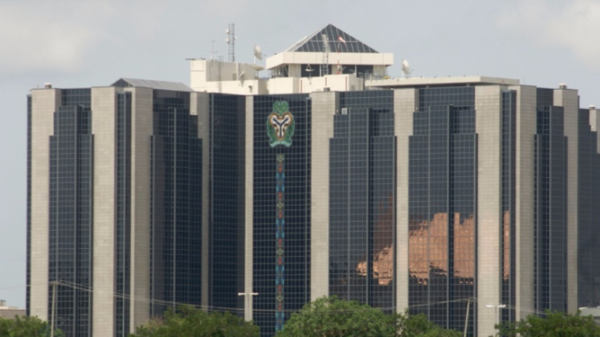







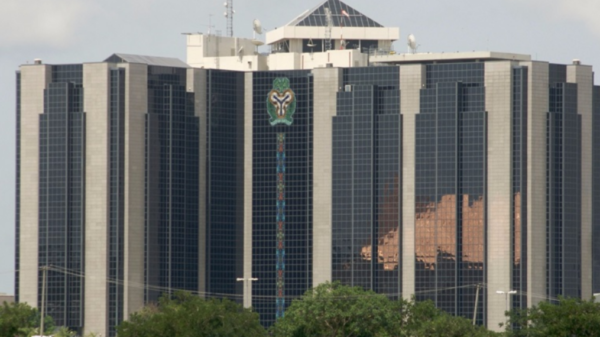

















The Central Bank of Nigeria (CBN) has announced that it is in the final stages of completing a revised Foreign Exchange (FX) manual—an update the apex bank says will play a central role in its ongoing efforts to improve transparency, strengthen governance, and restore market confidence in the naira.
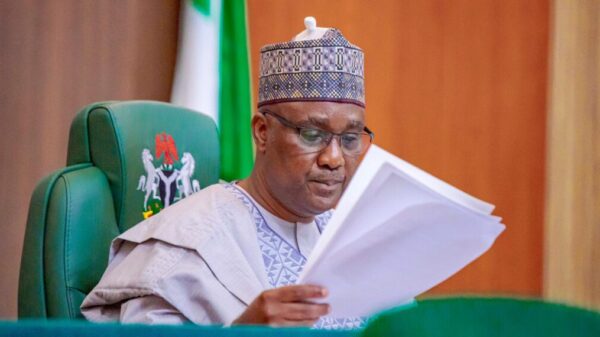
CBN Governor, Olayemi Cardoso, disclosed this during his keynote address at the 2025 Annual Bankers’ Dinner hosted by the Chartered Institute of Bankers of Nigeria (CIBN) in Lagos. The event, which convenes senior bankers, regulators, and financial experts, served as a platform for Cardoso to outline the institution’s latest strategies to stabilise Nigeria’s FX landscape and address long-standing distortions that have plagued the market.
Cardoso explained that the revised FX manual is not merely a procedural update but a foundational part of a broader set of reforms targeting efficiency, predictability, and ethical conduct among market participants. According to him, the manual will incorporate clearer operational rules, stricter documentation requirements, expanded participation guidelines, and enhanced surveillance mechanisms through Nigeria’s electronic FX management ecosystem.
“To strengthen this framework further, we will shortly be unveiling the revised foreign exchange manual to expand market participation, tighten documentation standards, enhance EFMs surveillance and ensure consistency,” Cardoso said.
Deepening Reforms Through Technology and Governance
The Governor reiterated that several reforms introduced earlier in the year—including the Nigerian Foreign Exchange Code—have already created a stronger base for market transparency and discipline. The FX Code, approved in January, provides ethical guidance for authorized dealers, setting out standards for fair dealing, risk management, compliance, and professional conduct in FX transactions.
Cardoso highlighted that adherence to this code is mandatory and warned that any violation will attract significant regulatory sanctions. His message underscored the CBN’s renewed emphasis on governance, a theme he has repeatedly emphasized since taking office.
Additionally, the deployment of the electronic Foreign Exchange Management System (EFMs), powered by Bloomberg’s BMAT technology, has transformed FX operations by mandating the submission of all FX orders and enabling real-time oversight by regulators. The system also supports improved price discovery and trade transparency—two areas where Nigeria’s FX framework has historically faced skepticism from investors and international partners.
Why the Revised Manual Matters
The revised FX manual is expected to harmonize operational rules, reduce ambiguity, and bring greater predictability to a market often characterized by volatility and information gaps. With clearer compliance requirements and updated documentation processes, the CBN expects to curb malpractices, encourage wider participation, and build trust with global markets.
The initiative also aligns with Nigeria’s broader push to attract foreign investment, stabilize inflationary pressures, and support the naira’s recovery. Over the past year, Nigeria’s FX market has undergone significant turbulence driven by backlogs, supply shortages, rate fragmentation, and speculative pressures.
Against this backdrop, Cardoso’s announcement signals a deliberate effort to provide consistency and reassert regulatory authority.
Naira Performance Shows Signs of Stability
Recent data from the CBN also indicates that the naira has posted its strongest performance in weeks. The currency traded below the N1,450 per dollar threshold for four consecutive days, marking a notable improvement from earlier periods when it consistently closed above that level.
It ended the week at N1,446.9/$1—an outcome analysts attribute partly to tightening CBN controls, increased FX supply from remittances and autonomous sources, and strengthened market enforcement.
Looking Ahead
The forthcoming FX manual marks one of the most anticipated regulatory updates in recent years. Financial analysts say its effectiveness will hinge on consistent enforcement, stakeholder buy-in, and the CBN’s ability to sustain liquidity improvements in the official market.
Cardoso, however, expressed confidence that the reforms—supported by technology, stronger governance, and clearer rules—will set Nigeria on a more stable FX trajectory and create a system in which both domestic and international participants can engage with greater trust.

Emmanuel Bassey is a Financial Expert that has worked in the Banking and Finance Industry for over 15+ years across different banks in Nigeria


