


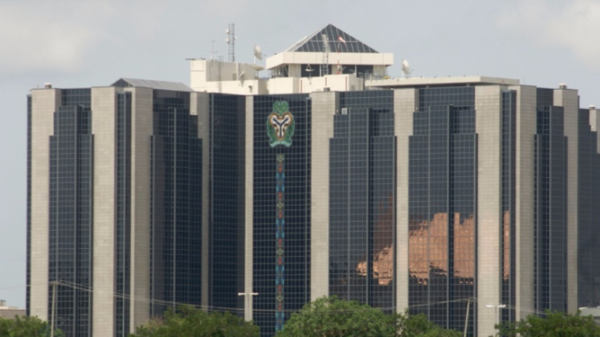
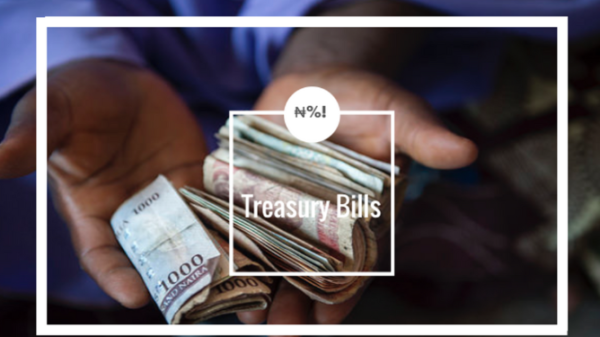






























Nigeria’s persistent education challenges and the continuing appeal of overseas study have driven a massive outflow of foreign exchange in 2025. New data from the Central Bank of Nigeria (CBN) shows that Nigerians spent $1.39 billion (approximately N2.16 trillion) on foreign education in the first half of 2025 alone. This represents a substantial increase compared to the same period in 2024, amounting to a 20% rise in dollar terms and a 38% surge in naira terms, based on the prevailing exchange rate of N1,553.6/$ during the six-month period.
The figures, captured in the CBN’s Balance of Payments report, reinforce the accelerating trend of educational migration—a phenomenon largely driven by citizens’ desire for more stable academic environments and improved long-term prospects abroad. Meanwhile, the report highlights a striking deficit: Nigeria recorded zero inflows from foreign students under the “Education” segment of the services trade balance. This indicates that while billions are leaving the country to train Nigerian students abroad, the nation attracts virtually no foreign students in return, underscoring the limited global competitiveness of its own higher education system.
Education Exodus Deepens Amid Domestic System Weaknesses
The $1.39 billion spent between January and June 2025 is the highest first-half foreign education outflow since 2021, despite the sharp depreciation of the naira following the CBN’s foreign exchange reforms of mid-2023. Even though the naira remained relatively more stable in 2025 than in the turbulent 2024 period, demand for foreign academic placements has not slowed.
This resilience in demand speaks to deeper systemic issues. Nigerian tertiary institutions continue to suffer from declining quality of instruction, recurrent industrial actions by university unions, infrastructure breakdown, insufficient research funding, and congested classrooms. For many families—particularly middle and upper-income earners—studying abroad is no longer seen solely as an educational decision but a strategic migration pathway offering improved economic and social mobility.
Foreign Education Spending Surpasses Public Investment
Between 2020 and the first half of 2025, Nigerians collectively spent an estimated $11.1 billion (N9.9 trillion) on foreign education. Remarkably, this figure accounts for about 2.6% of Nigeria’s annual nominal GDP, and in several of those years, the private outflow exceeded the combined education budgets of the federal and state governments.
For instance, the Federal Government allocated N2.52 trillion to education in the 2025 national budget, representing a modest 5% of total spending. This falls significantly short of the UNESCO benchmark, which recommends that nations dedicate 15–20% of public expenditure to the education sector. In stark contrast, Nigerian households independently spent N2.16 trillion on foreign education in the first six months of the year—nearly equal to the government’s full-year allocation.
Despite this massive private investment overseas, Nigeria’s education sector continues to attract negligible external funding. Data from the National Bureau of Statistics (NBS) reveals that capital importation into the sector totaled only $150,000 over the past decade, signaling minimal foreign investor confidence. Banks are also scaling back their exposure: CBN data shows domestic credit to the education sector fell to N69.7 billion as of September 2025, a 22% year-to-date decline.
Future Outlook: Restrictions Abroad May Slow the Trend
Although foreign education spending remains exceptionally high, emerging policy changes in major destination countries may temper demand. The United States, United Kingdom, Canada, and several European countries have introduced tighter immigration rules and more restrictive student visa requirements. Recent reports also indicate an increase in visa rejections from U.S. consular offices, which may reduce outbound student flows in the coming months.
Additionally, global inflation and rising tuition costs—combined with Nigeria’s currency pressures—are expected to create further constraints. As living expenses increase abroad and as foreign exchange becomes more difficult to access domestically, analysts anticipate a gradual cooling in offshore education spending, even though underlying demand remains strong.

Emmanuel Bassey is a Financial Expert that has worked in the Banking and Finance Industry for over 15+ years across different banks in Nigeria


