



























Nigeria’s equities market has come under intense pressure throughout November 2025, with banking stocks at the centre of a broad sell-off that has rattled investor confidence. The All-Share Index (ASI), which opened the month on relatively strong footing, has since succumbed to persistent declines driven largely by negative sentiment toward the financial sector.
As of November 19, the ASI stood at 144,646 points, reflecting a daily dip of 0.25% and an overall monthly loss of 3.55%. Despite this downward trend, the year-to-date performance remains robust at 40.53%. However, market capitalization has slipped sharply from record highs above N99 trillion to approximately N92 trillion—erasing more than N7 trillion in value for investors in a matter of weeks.
A significant contributor to this decline is the banking index, which dropped by 1.22% during the mid-week session and recorded its steepest weekly fall since March 2010, plunging 7.27% in mid-November. This slump has acted as a major drag on the broader market, given the sector’s outsized influence on the ASI.
Headwinds Pressuring Nigerian Banks
The sell-off is tied to an overlapping web of domestic and international challenges that have undermined sentiment. The Nigerian banking sector, already grappling with tighter margins, rising costs, and ongoing regulatory changes, is facing an increasingly difficult operating environment.
Sector asset growth is expected to moderate to about 20% annually through the end of 2025, with currency stabilization limiting the rapid valuation gains seen earlier in the year. The introduction of a windfall tax on foreign exchange gains, the 50% mandatory reserves policy, and persistently high inflation have added to cost pressures. The World Bank forecasts a gradual easing of inflation between 2025 and 2027, but banks are expected to shift credit allocation toward higher-yield sectors like technology and agriculture as traditional lending spaces become saturated.
Major Drivers of the Bearish Momentum
1. Capital Gains Tax (CGT) Reform Concerns
Proposed reforms to triple capital gains tax rates triggered panic selling among both local and foreign investors. Although Finance Minister Wale Edun attempted to douse fears on November 15 by announcing consultations and potential exemptions for foreign reinvestments, the rebound was brief. The reform uncertainty continues to fuel risk aversion.
2. Global Geopolitical Tension
External pressures intensified after U.S. President Donald Trump threatened military action over alleged violence against Christians in Nigeria and floated tariffs of 20% to 60% on emerging market imports. These statements accelerated capital flight and weighed heavily on medium- and large-cap banking stocks.
3. Profit-Taking and Portfolio Rotation
Following an extraordinary 59% rally earlier in the year, investors began locking in profits. Banking stocks—representing roughly a quarter of the ASI—became prime candidates for sell-offs as funds rotated into less volatile or undervalued sectors.
Banking Sector Fundamentals Remain Resilient
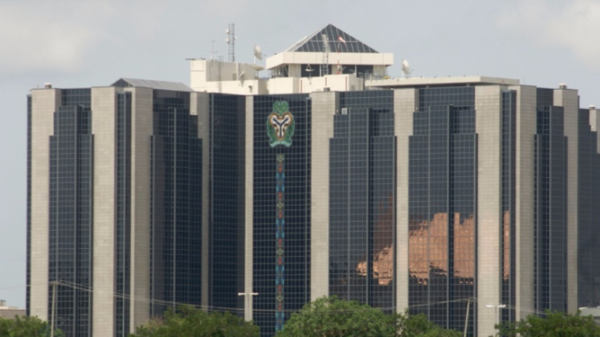
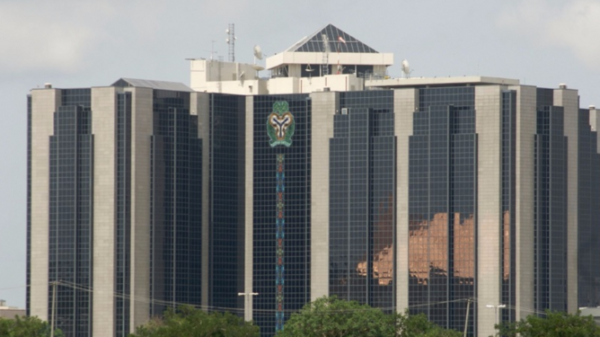
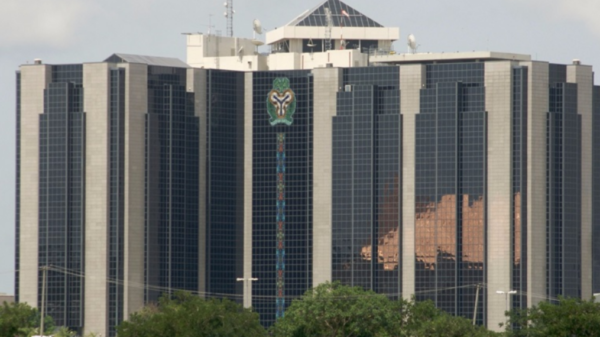
Despite the market turbulence, underlying fundamentals within the Nigerian banking system remain sound. Tier-1 banks with market caps above N1 trillion continue to dominate trading activity, frequently appearing among the top traded stocks on the NGX. The ongoing recapitalization drive by the Central Bank of Nigeria (CBN), which requires banks to strengthen their capital bases by 2026, has also reinforced long-term sector stability.
A notable liquidity boost came from a fresh N4 trillion injected into the market, helping to stabilize bank balance sheets. Total banking assets on the NGX climbed significantly from N112.39 trillion in 2023 to N169.5 trillion in 2024, with further expansion expected in 2025. Market capitalization for the sector grew from N3.2 trillion in 2020 to N10.5 trillion as of mid-2025—fueled by digitization, rising interest income, and the banks’ dominance in major market transactions.
Market Outlook: Volatility but Selective Opportunity
Market watchers anticipate continued volatility through the end of the quarter. Top performers such as GTCO and Zenith Bank have shown relative resilience, while Access Holdings lagged after a 10% weekly drop earlier in November. Sector valuations have become more attractive, with forward P/E ratios settling around 10–15x compared to market averages near 25x. Dividend yields are projected at 7–12%, enhancing the sector’s appeal for long-term investors.
Analysts see particular upside in leading banks like UBA, Stanbic IBTC, Zenith Bank, and GTCO, whose fundamentals remain strong. These institutions could deliver returns of 20–30% in upcoming financial cycles. However, caution is advised for smaller banks, which may face tighter margins and more stringent regulatory demands.
While the current correction presents potential buying opportunities, investors are urged to remain cautious, monitor NGX announcements, and consult licensed investment professionals. Global uncertainties and domestic policy shifts mean risks remain elevated—but so do the long-term prospects for Nigeria’s strongest banking institutions.

Emmanuel Bassey is a Financial Expert that has worked in the Banking and Finance Industry for over 15+ years across different banks in Nigeria


