









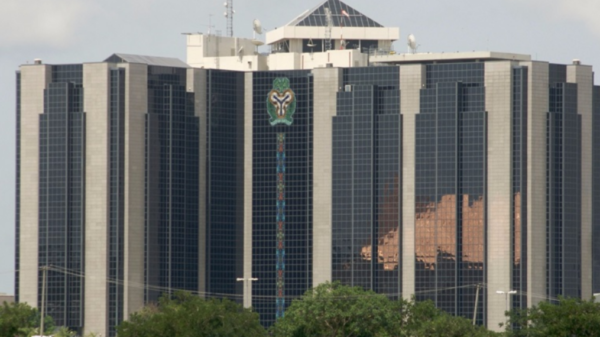




















Nigeria’s equities market has faced sustained turbulence throughout November 2025, with banking stocks at the centre of a broad sell-off that has dragged down the All-Share Index (ASI) and wiped billions off investor portfolios. The downturn marks one of the most challenging trading periods of the year, coming after an extended bullish run that previously pushed market valuations to historic highs.
As of November 19, the ASI stood at 144,646 points, reflecting a 0.25% daily decline and an overall 3.55% drop so far in November. Despite the month’s poor performance, the market remains significantly positive on a year-to-date basis, boasting a 40.53% return. Even so, overall market capitalization has fallen sharply—from peaks above N99 trillion to about N92 trillion, translating to more than N7 trillion in losses for investors in less than a month.
Banking Stocks Lead Market Decline
The banking sector has been the weakest link in the ongoing correction. The banking index slipped by 1.22% during the mid-week session, after suffering a steep 7.27% drop earlier in the month—its worst weekly performance since March 2010. Investors have become increasingly cautious amid domestic policy uncertainty, aggressive profit-taking, and global macroeconomic pressures.
Analysts note that Nigerian banks are currently grappling with several structural challenges. Sector-wide asset growth is projected to moderate at around 20% annually through the end of 2025 due to tighter regulatory measures, currency stabilization efforts, and rising asset values. Additionally, newly introduced policies—including a windfall tax on forex revaluation gains, stricter compliance rules, and a 50% statutory reserve requirement—have further squeezed profitability.
High inflation remains another concern. Although the World Bank expects inflation to begin easing between 2025 and 2027, persistent price pressures continue to erode real returns and weaken consumer purchasing power. As a result, banks are expected to channel more lending toward high-growth sectors such as technology and agriculture, where margins remain attractive, while reducing exposure to saturated industries.
Key Drivers Behind the Market Sell-Off
Several interconnected events have triggered heightened volatility, particularly in banking equities:
1. Capital Gains Tax Reform Concerns
Proposed fiscal reforms seeking to triple capital gains tax rates ignited panic among local and foreign investors, leading to rapid sell-offs across key banking counters. Although Finance Minister Wale Edun later pledged broader consultations and hinted at exemptions for foreign investors, the market had already entered deeper correction territory.
2. Geopolitical Tensions
Statements from U.S. President Donald Trump threatening potential military action following reports of violence against Christians, alongside proposed tariffs of 20–60% on imports from emerging markets, significantly weakened investor confidence. Global funds, already cautious on emerging markets, accelerated outflows from Nigeria.
3. Profit-Taking After Earlier Rally
Following an impressive 59% YTD rally earlier in the year, banking stocks were due for a correction. Investors locked in gains aggressively, particularly in Tier-1 banking stocks, which constitute roughly 25% of the ASI.
Despite Declines, Banking Sector Fundamentals Remain Strong
Despite the current volatility, Nigeria’s banking industry remains fundamentally resilient. Tier-1 banks with market capitalisation above N1 trillion continue to dominate trading volume on the Nigerian Exchange (NGX), supported by healthy liquidity positions.
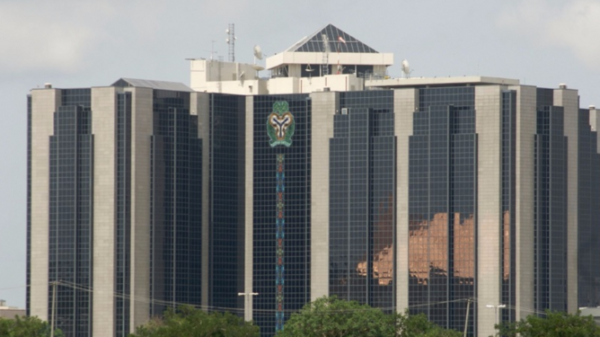
The Central Bank of Nigeria’s (CBN) ongoing recapitalisation programme, which requires banks to strengthen their capital buffers before 2026, has also boosted investor interest throughout the year. A fresh N4 trillion liquidity injection into the financial system earlier in 2025 improved market depth and confidence.
Banking sector assets surged to N169.5 trillion in 2024, up from N112.39 trillion in 2023, with further growth projected in 2025. Market capitalisation for listed banks has also expanded dramatically, rising from N3.2 trillion in 2020 to N10.5 trillion by mid-2025. Key drivers include rising digital adoption, strong interest income from government securities—which generated N4.8 trillion in the first nine months for major banks—and increased trading activity.
Outlook: Volatility Likely to Persist, but Value Opportunities Emerging
Top performers such as GTCO and Zenith Bank have outpaced the broader market even during the correction. Access Holdings, however, has lagged significantly, shedding 10% during the early weeks of November.
The correction has compressed valuation multiples, with forward price-to-earnings (P/E) ratios now between 10x and 15x, well below the market average of 25x. Dividend yields for leading banks remain robust at 7–12%, making the sector particularly appealing for long-term investors.
Analysts expect continued volatility through the end of the quarter. However, the combination of strong fundamentals, high dividend payouts, and more attractive valuations suggests that high-quality banks—such as UBA, Stanbic IBTC, Zenith Bank, and GTCO—offer compelling long-term value.
Investors are advised to remain vigilant, monitor corporate earnings updates, and avoid speculative plays as global economic conditions remain uncertain.

Emmanuel Bassey is a Financial Expert that has worked in the Banking and Finance Industry for over 15+ years across different banks in Nigeria


