


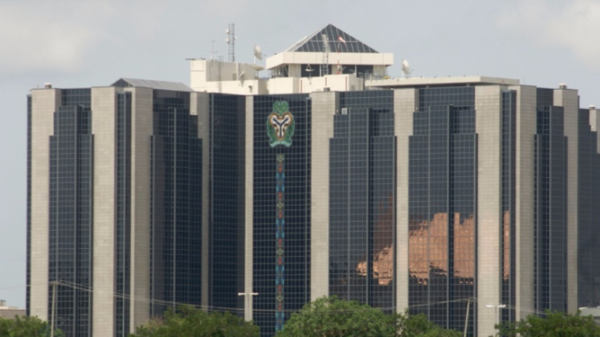










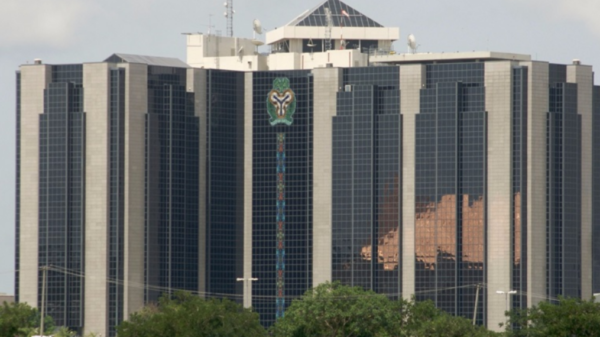




















Nigeria’s banking system entered November awash with liquidity as commercial banks significantly increased their cash deposits with the Central Bank of Nigeria (CBN), signaling heightened risk aversion within the money market. As of Friday, November 7, 2025, total deposits placed by banks under the Standing Deposit Facility (SDF) reached an impressive ₦4.816 trillion, one of the highest levels seen in recent quarters.
This marks a notable rise from the ₦4.424 trillion recorded just two days earlier on November 5, underscoring banks’ preference for the safety of CBN deposits over lending in the interbank or credit markets. Under the SDF, banks earn a 24.8% interest rate for parking idle funds overnight — a relatively high risk-free return compared to potential market exposures.
Banks Prefer Safety Over Lending
The CBN’s weekly financial report showed that banks have been increasingly channeling their excess liquidity into the apex bank’s deposit window rather than extending credit to businesses or engaging in interbank lending. Between October 31 and November 5, total system deposits rose steadily — from ₦2.301 trillion at the end of October to ₦2.916 trillion on November 4, and further to ₦2.994 trillion the next day.
While these figures might suggest abundant liquidity within the financial system, the situation is far more nuanced. Market analysts say that the liquidity is concentrated among a few large deposit money banks (DMBs) that dominate reserves, while smaller institutions continue to face funding pressures. This uneven distribution has kept interbank trading volumes subdued, as smaller banks struggle to access affordable short-term funding.
In effect, the system appears “liquid” on paper, but the money is not circulating efficiently. Rather than channeling funds into productive lending or interbank markets, the bulk of the excess liquidity remains parked at the CBN — a symptom of both risk aversion and structural inefficiencies in Nigeria’s banking framework.
Government Debt Operations Inject Fresh Cash
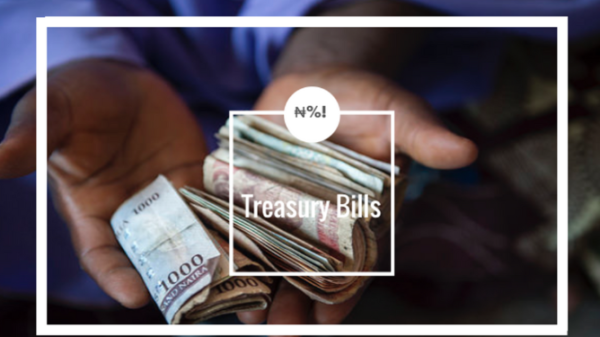
Mid-week financial data from the CBN showed that the Debt Management Office (DMO) injected additional liquidity into the financial system through primary-market Treasury bill and bond operations. On Thursday, November 6, the DMO successfully raised ₦546.24 billion in new government securities while simultaneously repaying ₦662.76 billion in maturing obligations.
This transaction resulted in a net liquidity injection of approximately ₦116.52 billion, which further boosted the cash positions of banks. The data also revealed that banks’ opening balances — a key measure of available reserves at the start of the trading day — rose from ₦141.11 billion on November 5 to ₦247.17 billion on November 7, indicating stronger reserve buffers.
However, despite these inflows, banks remained hesitant to lend, preferring to hold onto liquidity. This cautious behavior highlights ongoing market uncertainties, particularly around foreign exchange volatility, inflation pressures, and collateral constraints.
Minimal Borrowing Reflects Low Credit Appetite
Interestingly, while deposits at the CBN surged, borrowing through the Standing Lending Facility (SLF) — the CBN’s emergency borrowing window — remained extremely low at just ₦2.85 billion. The sharp contrast between trillions of naira parked in deposits and negligible borrowing underscores one thing: banks are flush with cash but unwilling to take risks.
In a normally functioning money market, banks with surplus liquidity lend to those with temporary shortfalls, creating a vibrant interbank ecosystem. But persistent structural frictions, including liquidity concentration, regulatory uncertainty, and operational inefficiencies, continue to hinder the redistribution of funds. This has led to an environment where liquidity remains “trapped” within the central bank, limiting the multiplier effect on the broader economy.
Policy Implications for the CBN
The surge in deposits presents both opportunities and challenges for the CBN. On one hand, the high volume of funds parked in the SDF gives the central bank flexibility to sterilize excess liquidity — a move that helps curb inflationary pressures. On the other hand, it highlights a weak monetary policy transmission mechanism: ample liquidity in the system is not translating into higher credit growth or lower market interest rates.
The situation could prompt the CBN to deploy additional Open Market Operations (OMO) to absorb some of the surplus cash and stabilize short-term interest rates. Still, as long as risk appetite among banks remains low, such liquidity management measures may only provide temporary relief.
Analysts Caution on Structural Gaps
Market experts warn that sustained reliance on the SDF reflects deeper structural issues within Nigeria’s financial system. While high SDF balances enable the CBN to control short-term liquidity and inflation, they also discourage interbank activity and dampen credit creation, ultimately constraining private-sector growth.
Economists suggest that the solution lies in structural reforms aimed at improving collateral mobility, risk-sharing mechanisms, and market confidence. By creating a more efficient financial infrastructure, liquidity could circulate more evenly, supporting productive investment and economic expansion.
For now, dealers expect overnight interest rates to remain low, barring major fiscal withdrawals or large-scale foreign exchange interventions. However, the broader challenge remains clear: until liquidity in the banking system is effectively channeled into credit and investment, the benefits of rising reserves and abundant cash will remain largely unrealized for the Nigerian economy.

Emmanuel Bassey is a Financial Expert that has worked in the Banking and Finance Industry for over 15+ years across different banks in Nigeria


