































The Federal Inland Revenue Service (FIRS) has announced a new directive requiring banks, stockbrokers, and other financial institutions in Nigeria to begin deducting a 10% withholding tax (WHT) on interest earned from short-term investment instruments. This policy marks a notable departure from previous exemptions that had encouraged investors to participate in Nigeria’s short-term securities market.
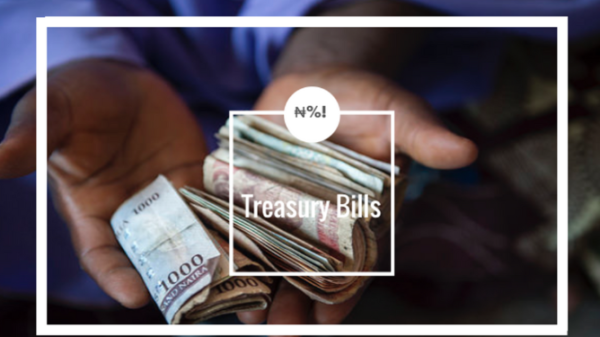
According to the circular issued by the FIRS, the new rule applies to all interest payments made on treasury bills, corporate bonds, promissory notes, and bills of exchange. The tax will be deducted at the point of payment, meaning investors will receive their returns net of the withholding tax.
This change signals a broader effort by the Nigerian government to expand its tax base and strengthen non-oil revenue streams amid ongoing fiscal challenges. For years, short-term securities had been exempted from such taxes to attract both local and foreign investors. However, the new directive aims to increase government revenue while standardizing tax treatment across financial instruments.
Scope of Application and Exemptions
While the circular applies to a broad range of short-term investment instruments, the FIRS clarified that interest earned on Federal Government bonds remains exempt from the new levy. This means that investors holding federal government bonds will not face any deductions, maintaining their tax-free status in accordance with existing fiscal policy.
The directive also notes that investors will receive tax credits for amounts withheld at the source. These credits can be applied to offset future tax liabilities, except in cases where the withholding is considered a final tax. This provision ensures that investors are not taxed twice on the same income.
Market analysts have noted that this development could influence investment patterns in the fixed-income market. Historically, short-term securities have been favored by investors seeking quick returns and lower risk exposure. The introduction of a 10% withholding tax may alter that dynamic by slightly reducing net yields, potentially shifting investor appetite toward tax-exempt or longer-term instruments.
Compliance and Enforcement Measures
FIRS Executive Chairman Zacch Adedeji emphasized the importance of strict compliance with the directive. In his statement, he said:
“All relevant interest-payers are required to comply with this circular to avoid penalties and interest as stipulated in the tax law.”
Adedeji further reiterated that any failure to deduct or remit the withholding tax as required would attract penalties under existing tax legislation. Though the agency did not provide specific projections on expected revenue gains from the new measure, tax experts suggest that it could significantly boost government collections, especially given the popularity of short-term securities among institutional and retail investors.
The circular is addressed to banks, discount houses, stockbrokers, corporate bond issuers, primary dealer market makers (PDMMs), financial institutions, government agencies, and tax practitioners, as well as the general public.
Understanding Withholding Tax
Withholding tax is a prepayment of income tax, deducted at source from specific payments made to individuals or corporations. According to FIRS guidelines, the payer of the income—such as a bank or investment house—is responsible for remitting the deducted amount directly to the tax authority.
The standard withholding tax rates currently applicable in Nigeria include:
-
Rents on properties: 10%
-
Dividends or profits from companies: 10%
-
Interest on bank deposits or securities: 10%
-
Royalties: 5%
By extending this tax to short-term investment interest, FIRS aims to ensure a more uniform tax regime across all categories of income.
Legal Basis for the Directive
The circular draws its authority from Sections 78(1) and 81(1) of the Companies Income Tax Act (CITA), as amended, as well as the 2024 Withholding Tax Regulations. These laws empower the FIRS to require deduction of tax at source for payments such as interest, dividends, and royalties.
The agency emphasized that the tax must be deducted at the time of payment, not afterward, ensuring immediate remittance to government coffers. This measure enhances transparency and compliance while reducing tax evasion risks.
Furthermore, the FIRS reaffirmed that individuals and entities from whom taxes are withheld are entitled to tax credits equivalent to the amounts remitted. These credits can be used to offset subsequent tax obligations, except where the tax is treated as final. This ensures fairness, accountability, and consistency in the taxation process.
Market and Economic Implications
Financial experts believe the policy could slightly dampen short-term market activity as investors reassess their yield expectations. However, it also underscores the government’s determination to broaden its tax net and reduce reliance on volatile oil revenues.
While some investors may view the move as a disincentive, others see it as part of Nigeria’s gradual shift toward a more structured and transparent tax environment. The long-term impact will likely depend on how efficiently the policy is implemented and how the FIRS manages compliance across financial institutions.
In summary, the introduction of a 10% withholding tax on short-term investment interest marks a new chapter in Nigeria’s tax administration. It reflects the government’s commitment to fiscal sustainability while promoting accountability in the financial system.

Emmanuel Bassey is a Financial Expert that has worked in the Banking and Finance Industry for over 15+ years across different banks in Nigeria


