

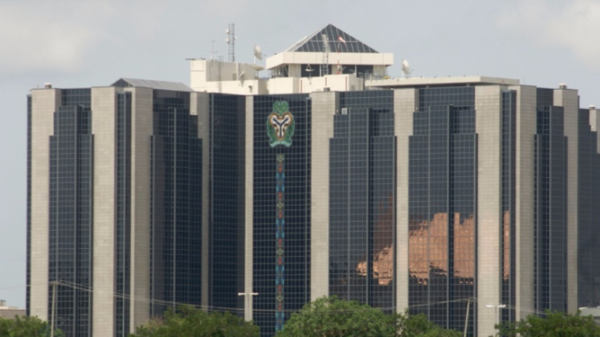

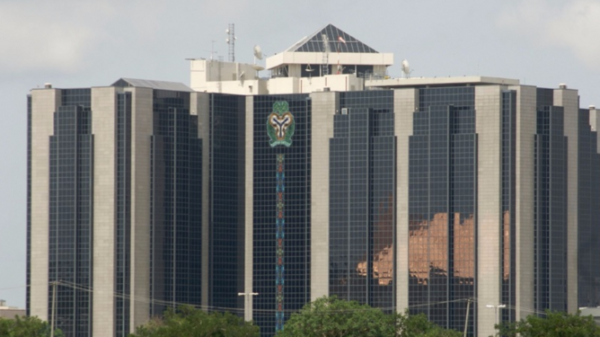






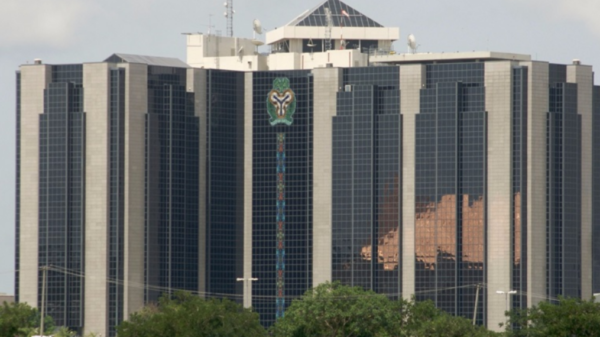















The Central Bank of Nigeria (CBN) has reaffirmed its commitment to sustaining and deepening ongoing financial sector reforms following Nigeria’s removal from the Financial Action Task Force (FATF) grey list.
The global anti-money laundering watchdog officially announced Nigeria’s delisting after a successful on-site evaluation of the country’s anti-money laundering and counter-terrorist financing (AML/CFT) systems — a development marking a major milestone in Nigeria’s financial reform agenda.
In a statement on Saturday, the CBN described the FATF’s decision as a strong endorsement of Nigeria’s reform progress and the growing credibility of its financial system.
“The FATF’s decision to remove Nigeria from the grey list is a strong affirmation of our reform trajectory and the growing integrity of our financial system,” said CBN Governor Olayemi Cardoso.
“It reflects a clear policy direction and coordinated national effort toward standards-based reforms. Our priority now is to consolidate these gains, ensuring that compliance, innovation, and trust advance together to reinforce financial stability and strengthen Nigeria’s global credibility.”
Path to Delisting
Nigeria’s removal from the grey list follows a two-year, multi-agency reform effort led by the Federal Government and supported by key institutions, including the CBN, the Federal Ministry of Justice, the Nigerian Financial Intelligence Unit (NFIU), and the Economic and Financial Crimes Commission (EFCC).
The CBN played a central role in improving governance and transparency within the financial system. Reforms evaluated by FATF and its regional affiliate, the Inter-Governmental Action Group Against Money Laundering in West Africa (GIABA), included:
-
Tighter oversight of financial institutions through updated AML/CFT regulations and risk-based supervision.
-
Broader compliance monitoring across fintechs, remittance operators, and bureaux de change.
-
Improved inter-agency coordination and data sharing for enforcement.
-
Introduction of market governance tools such as the Foreign Exchange Code (FX Code) and the Electronic Foreign Exchange Matching System (EFEMS).
These steps significantly enhanced Nigeria’s compliance with international standards and restored confidence in its financial integrity.
Economic and Business Impact
Nigeria’s removal from the grey list is expected to ease compliance burdens for businesses, reduce transaction costs, and improve access to international finance. It will also facilitate faster and more affordable cross-border payments and remittances — estimated at around $20 billion annually.
The improved regulatory environment is likely to boost investor confidence, strengthen trade settlements, and enhance foreign exchange stability — key factors for enterprise growth and household welfare.
A Regional Milestone
Nigeria now joins South Africa, Mozambique, and Burkina Faso among the African countries recently removed from FATF monitoring. The move adds momentum to Africa’s broader push toward transparency, financial integrity, and global integration.
The CBN reiterated that it will continue working with both domestic and international partners to maintain a sound, transparent, and inclusive financial system that supports long-term economic growth.
What to Know
-
Nigeria and South Africa were placed on the FATF grey list in February 2023.
-
Mozambique was added in October 2022, while Burkina Faso was listed in February 2021.
-
Countries on the grey list typically face higher transaction costs and stricter international scrutiny.
-
Nigeria’s delisting signals renewed global confidence in its financial governance and reform agenda.

Emmanuel Bassey is a Financial Expert that has worked in the Banking and Finance Industry for over 15+ years across different banks in Nigeria


