
















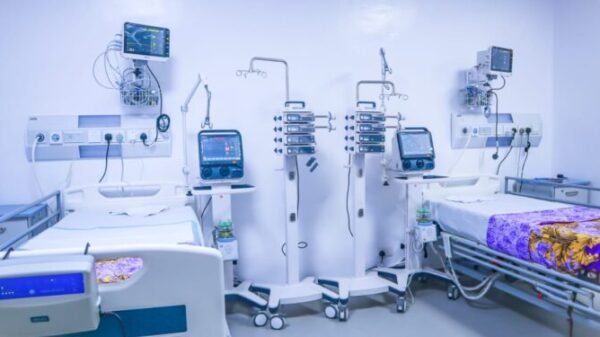











The Federal Government has disbursed ₦32.9 billion to primary healthcare facilities across all wards in Nigeria under the Basic Health Care Provision Fund (BHCPF), marking the third round of funding in 2025.
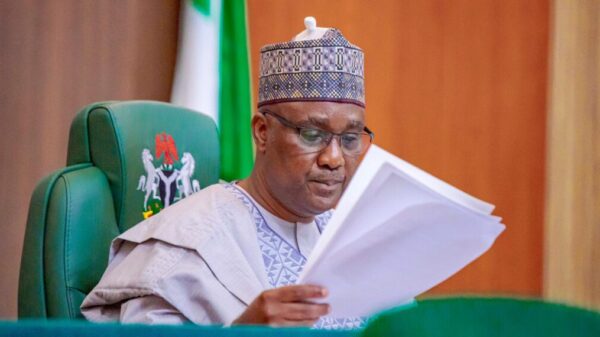
The announcement was made by the Coordinating Minister of Health and Social Welfare, Prof. Muhammed Ali Pate, in a statement titled “The Red Letter” released on October 22, 2025. He confirmed that the funds have already begun reaching the commercial bank accounts of primary healthcare centres nationwide.
According to Pate, the BHCPF is a key initiative aimed at strengthening community-level health services by directly funding facilities rather than centralizing resources in Abuja.
“This money is not sitting in Abuja. It has already begun its journey into the commercial bank accounts of primary health care facilities in every ward across Nigeria,” he said.
Strengthening transparency and community participation
Pate emphasized that the BHCPF reflects the government’s renewed effort to improve healthcare delivery by empowering local health institutions to plan and manage resources transparently in collaboration with their communities.
He called on ward health committees, traditional rulers, women and youth groups, and faith-based organizations to play active roles in monitoring how the funds are utilized.
“Without community participation, the full potential of these funds will not be realized,” he warned, urging citizens to hold their local health centres accountable for visible improvements such as better infrastructure, safe deliveries, and improved access to essential medicines.
About the Basic Health Care Provision Fund (BHCPF)
Established under the National Health Act of 2014, the BHCPF aims to expand access to quality healthcare, particularly for poor and vulnerable Nigerians.
The fund is financed by at least 1% of the Federal Government’s Consolidated Revenue Fund and contributions from development partners. It supports essential health services, strengthens primary healthcare systems, and provides emergency medical care.
The programme is jointly managed by the National Health Insurance Authority (NHIA), the National Primary Health Care Development Agency (NPHCDA), and the National Emergency Medical Treatment Committee, ensuring equitable delivery of medical supplies, affordable care, and ambulance services across the country.
Eligible Nigerians can access these benefits by enrolling through their State Social Health Insurance Authorities.

Emmanuel Bassey is a Financial Expert that has worked in the Banking and Finance Industry for over 15+ years across different banks in Nigeria


