
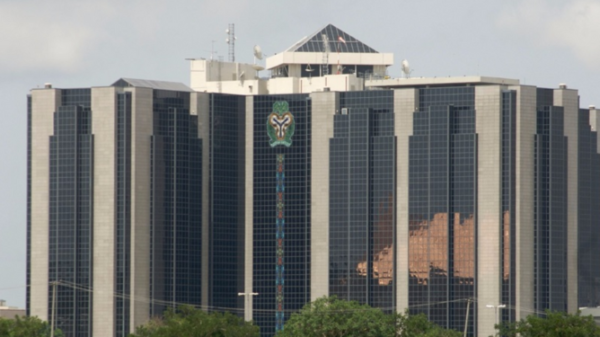







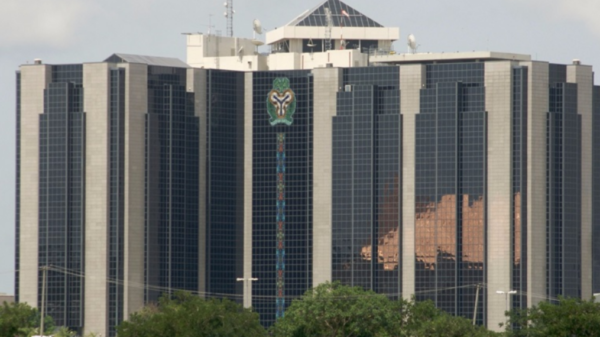











The Central Bank of Nigeria (CBN) has announced that investor confidence in the country’s economy is strengthening, driven by recent policy reforms that have stabilized the naira, curbed inflation, and improved transparency in monetary management.
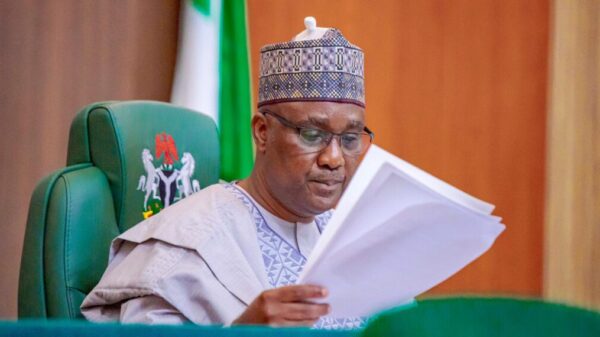
Speaking during a press briefing at the IMF and World Bank Annual Meetings in Washington D.C., CBN Governor Olayemi Cardoso highlighted that ongoing engagements with global investors, development partners, and rating agencies indicate a renewed sense of optimism about Nigeria’s economic direction.
“There is broad recognition that Nigeria’s reforms are delivering results — inflation is moderating, the exchange rate has stabilized, and investor confidence is returning,” Cardoso stated.
Naira Stability and Stronger Reserves
Cardoso revealed that the naira has continued to strengthen, with the gap between official and Bureau de Change (BDC) rates narrowing to less than 2%, signaling reduced speculation and improved market trust.
He added that Nigeria’s foreign reserves now stand above $43 billion, equivalent to over 11 months of import cover, supported by increased capital inflows and higher investor participation across various sectors.
Inflation, he said, fell for the sixth consecutive month in September, dropping to 18.02% from 20.12% in August, the lowest in three years. Both core and food inflation rates also declined, which the CBN attributes to disciplined monetary policies, unified exchange rates, and improved market transparency.
“Our focus remains on sustaining stability, deepening reforms, and ensuring that macroeconomic gains translate into better livelihoods for Nigerians,” Cardoso emphasized.
Fiscal Reforms and Collaboration with Finance Ministry
The CBN Governor, joined by Minister of State for Finance Dr. Doris Uzoka-Anite, said that stronger coordination between fiscal and monetary authorities has reinforced investor trust and boosted international partnerships.
He noted that fiscal reforms under President Bola Tinubu’s administration — including fuel subsidy removal, spending rationalization, and improved revenue collection — are rebalancing Nigeria’s public finances and channeling funds into infrastructure, education, and healthcare.
Cardoso further revealed that non-oil revenue has risen, strengthening fiscal stability, while reduced insecurity in oil-producing regions and targeted incentives have attracted over $8 billion in new energy investments.
Global Partnerships and Regional Cooperation
During the meetings, Nigeria signed a Memorandum of Understanding (MoU) with the Central Bank of Angola to promote monetary cooperation and enhance financial stability in Africa.
Cardoso also announced that Nigeria will assume the Chairmanship of the Intergovernmental Group of Twenty-Four (G-24) on November 1, 2025, taking over from Argentina. The appointment, he said, reflects global confidence in Nigeria’s leadership and reform agenda.
“We return home encouraged by the confidence reaffirmed in our mission. Our story is one of resilience — a nation aligning courage with conviction to build a more competitive, innovative, and inclusive economy,” he concluded.
Background on the G-24
The G-24, formally known as the Intergovernmental Group of Twenty-Four on International Monetary Affairs and Development, was established in 1971 as part of the Group of 77 (G-77). It represents developing countries from Africa, Asia, Latin America, and the Caribbean, coordinating their positions on international monetary and development issues within the global financial system.

Emmanuel Bassey is a Financial Expert that has worked in the Banking and Finance Industry for over 15+ years across different banks in Nigeria


