





























Deciding where to invest N1 million in the final quarter of 2025 demands strategy, timing, and a deep understanding of Nigeria’s shifting economic landscape.
With inflation easing to 20.12% as of August 2025, investors now have a rare window to reposition their portfolios toward real, inflation-beating growth. The key is not just earning returns but achieving real returns that outperform inflation.
Understanding the Investment Landscape
Before choosing assets, it’s crucial to revisit the fundamentals that shape every sound investment:
-
Time value of money: N1 today is worth more than N1 tomorrow.
-
Risk premium: Every investment should compensate for the risk taken above a risk-free return.
-
Inflation protection: Your returns must consistently outpace inflation to preserve purchasing power.
The right mix of assets must therefore reward time, compensate for risk, and stay ahead of inflation. Your selection should also depend on your age, financial goals, and risk tolerance.
Economic Conditions Shaping Q4 2025
Nigeria is currently in a disinflationary phase, with relative foreign exchange stability and signals that global central banks are moving toward rate cuts. Locally, ongoing banking and insurance recapitalization efforts and the CBN’s takeover of the fixed-income settlement platform from FMDQ are reshaping liquidity flows in the market.
These developments are expected to drive asset performance through the rest of 2025.
Equities: The Likely Winner in a Rate-Cut Era
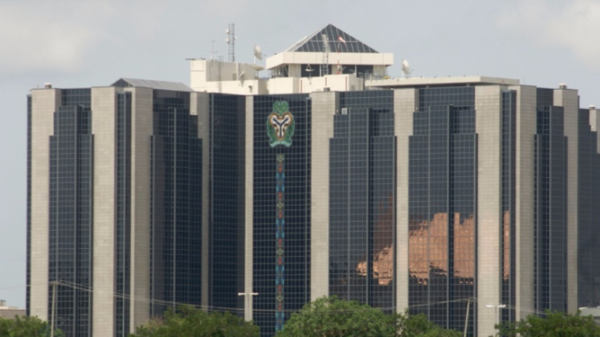
The Central Bank of Nigeria (CBN) recently reduced the Monetary Policy Rate (MPR) from 27.5% to 27%, a move that traditionally favors the stock market.
When policy rates drop, yields on fixed-income instruments fall, prompting investors to chase higher returns in equities.
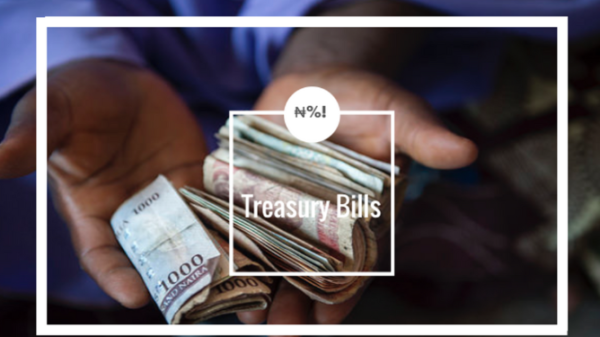
For instance, recent Treasury Bill stop rates ranged from 15% to 16.78%, still below inflation — meaning fixed-income investors are earning negative real returns.
In contrast, the Nigerian Exchange (NGX) has been vibrant, with over 99 listed stocks posting year-to-date gains above inflation. The consumer goods, industrial, ICT, and conglomerate sectors are leading the charge, benefiting from lower borrowing costs and improving corporate earnings.
Best Equity Picks for Q4
Investors should look toward sectors showing resilience and room for growth:
-
Consumer Goods: After struggling in 2024, the sector has bounced back in 2025. Out of its 20 listed companies, only one remains a laggard. Stocks like Honeywell Flour (up 258% YTD but still below its 52-week high) and Northern Nigeria Flour Mills (over 30% below its peak) still present attractive entry points.
-
Dividend Champions: Stable dividend payers provide both income and stability. Seplat, Okomu Oil, Presco, Skye Shelter Fund, Dangote Cement, and Airtel Africa remain top choices for their consistent payouts. For instance, Okomu Oil recently declared an interim dividend of N30 per share, translating to N300,000 for investors holding 10,000 units.
-
Liquidity Leaders: Banking stocks stand out for their high trading volumes and free float. This makes entry and exit easier while providing exposure to strong dividend history.
Fixed Income: Safety and Predictability
For conservative investors, Treasury Bills, Federal Government Bonds, and Savings Bonds still provide safety and predictable income, even though real returns remain slightly negative.
However, the minimum investment amounts for these instruments often exceed what small investors can access directly. The workaround is to invest through fixed-income mutual funds or money market funds, which allow smaller contributions while providing professional management.
Corporate Commercial Papers (CPs) currently yield around 22% upfront, giving room for reinvestment and compounding potential. These are best accessed through mutual funds or secondary markets due to their higher entry thresholds.
Alternative Assets: Diversifying for Inflation Protection
Alternative investments are gaining traction among Nigerian investors seeking inflation hedges and diversification. Options include commodities (especially gold), foreign currencies, cryptocurrencies, ETFs, derivatives, and Real Estate Investment Trusts (REITs).
Gold, notably, has surged over 50% year-to-date in 2025, reaffirming its role as a hedge against currency weakness and inflation. Meanwhile, REITs provide exposure to real estate income streams without the burden of direct property ownership.
Recommended Q4 Portfolio Allocation
For investors looking to deploy N1 million wisely in Q4 2025, a balanced mix offers both stability and opportunity:
-
60% Equities: Focus on growth and dividend stocks.
-
25% Fixed-Income Funds: Provide stability and steady income.
-
15% Alternative Assets: Hedge against inflation and diversify risk.
This allocation ensures that your investment not only grows but also adapts to Nigeria’s evolving economic dynamics.
Final Thoughts
Q4 2025 presents an exciting window for Nigerian investors. With inflation easing, interest rates declining, and corporate earnings improving, the stock market remains the strongest path to achieving real, inflation-adjusted returns.
A diversified approach — balancing equities, fixed income, and alternatives — will help investors maximize growth, preserve capital, and maintain liquidity as Nigeria’s economy transitions into 2026.

Emmanuel Bassey is a Financial Expert that has worked in the Banking and Finance Industry for over 15+ years across different banks in Nigeria


