


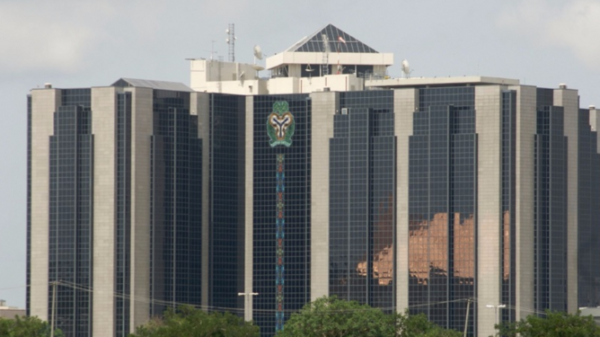







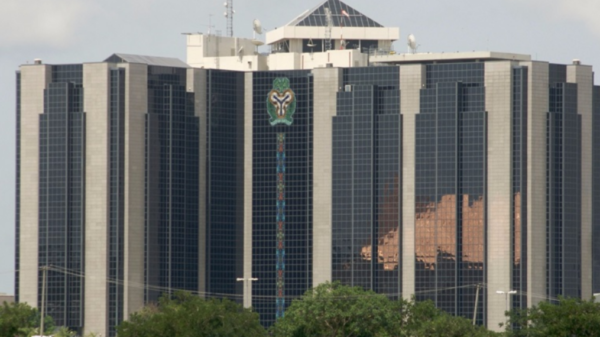

















Abuja, Nigeria – October 3, 2025 — In a landmark move to modernize the Nigerian financial system, the Central Bank of Nigeria (CBN) has announced a phased implementation of sweeping operational reforms within the Nigerian Fixed Income Market. These reforms are designed to enhance market transparency, improve operational efficiency, and establish a more robust regulatory framework, while aligning the market with global best practices.
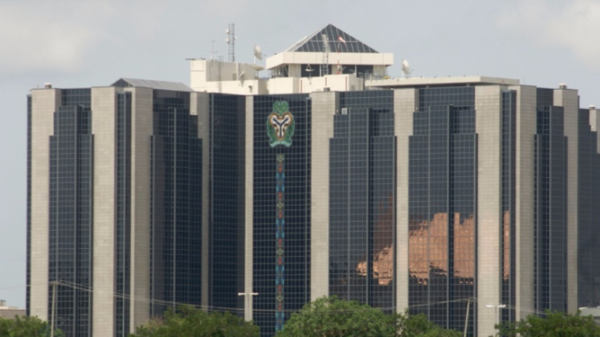
The initiative marks a significant shift in the country’s financial infrastructure. As part of the reform, the CBN will assume direct oversight of the fixed income trading platform and end-to-end settlement operations, bringing them under the apex bank’s control. This change, the CBN said, is crucial to strengthening the integrity of the fixed income market, which plays a vital role in facilitating capital formation, managing public debt, and supporting monetary policy transmission in Nigeria.
According to the CBN, the goal of this strategic transition is to create a unified market structure where all fixed income transactions—from trade execution to final settlement—are supervised within a central regulatory ecosystem. The Bank said this will not only increase transparency and reduce settlement risks but also enhance investor confidence and deepen market participation.
In its official communication, the CBN stated, “This reform is an integral part of our ongoing efforts to reposition the Nigerian financial markets. We aim to foster a more transparent, efficient, and resilient fixed income ecosystem capable of supporting economic growth and the smooth transmission of monetary policy.”
The reform will be executed in phases to ensure stability and avoid disruption in the market. The implementation plan includes rigorous testing, stakeholder engagement, and a staged rollout of new infrastructure.
The key milestones of the first phase include:
-
User Acceptance Testing (UAT): Scheduled for the second week of October 2025, UAT will involve comprehensive testing of the new settlement process to ensure functionality, security, and operational readiness.
-
Pilot Phase: Upon successful completion of UAT, a pilot phase will run alongside the current structure. This allows for gradual adaptation and minimizes operational risks during the transition.
-
Go-Live 1 – Settlement Process Migration: If the pilot phase proves successful, the CBN will officially migrate all fixed income settlement processes to its internal system on November 3, 2025.
-
Go-Live 2 – Trading Platform Activation: The final step will see the activation of the new CBN-sponsored trading platform, with all trading activities involving Primary Dealers, Market Makers (PDMMs), Pension Fund Administrators (PFAs), and other authorized participants moving to the new environment starting December 1, 2025.
The Central Bank has reaffirmed its commitment to working closely with key stakeholders throughout the transition. In particular, the Bank acknowledged the contributions of the Financial Markets Dealers Association (FMDA) in the development of the country’s financial markets and emphasized the need for strong collaboration moving forward.
“We recognize the pivotal role of market participants, including the FMDA, and we expect full cooperation as we implement this important reform. Our goal is to ensure that the fixed income market operates on a modern, transparent, and efficient foundation,” the Bank said.
These changes form part of the broader financial market reforms being championed by the CBN to reposition Nigeria as a competitive investment destination. The central bank emphasized that the implementation will be carried out in a structured and coordinated manner to prevent disruptions and to protect the interests of all market participants.
Stakeholders with inquiries or those seeking clarification are encouraged to contact:
Dr. Okey Umeano
Acting Director, Financial Markets Department
📧 oumeano@cbn.gov.ng

Emmanuel Bassey is a Financial Expert that has worked in the Banking and Finance Industry for over 15+ years across different banks in Nigeria


