






Creator
  • Type:
  • Genre:
  • Duration:
  • Average Rating:
Log In
 
  • Marketplace
Log In
 
  • Type:
  • Genre:
  • Duration:
  • Average Rating:
  • Marketplace

Pension

PenCom Raises NSITF Retirees’ Pensions by 1,173% After 21-Year Freeze

  • dollaers
  • January 29, 2026
  • Pension
  • 0 comments

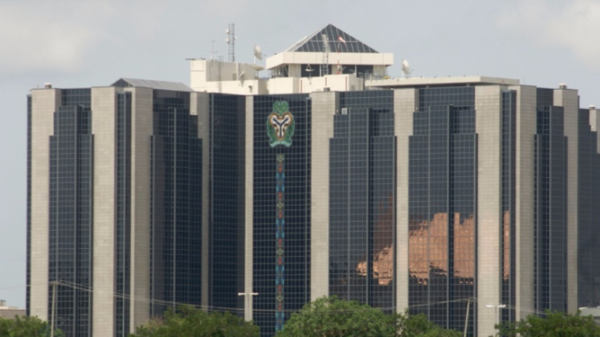
The National Pension Commission (PenCom) has approved a massive 1,173% increase in pensions for retirees under the Nigeria Social Insurance Trust Fund (NSITF), bringing to an end a 21-year freeze that left many beneficiaries struggling with severely eroded incomes due to inflation.

The approval was disclosed on Wednesday by PenCom’s Director-General, Ms Omolola Oloworaran.

The decision affects 2,116 retirees and raises combined monthly pension payments from N12.56 million to N159.95 million. On an individual level, some retirees who had been receiving as little as N18,000 per month will now earn about N206,000, representing a dramatic improvement in post-retirement welfare.

In addition to the monthly increases, PenCom also approved the payment of N8.70 billion in pension arrears. This translates to an average lump-sum payout of about N3 million per beneficiary, with some retirees set to receive over N8 million, depending on their individual entitlements and length of underpayment.

What PenCom is saying

PenCom described the adjustment as the first pension increase for NSITF beneficiaries since 2005 and framed it as a long-overdue correction of regulatory and structural failures.

According to the Commission, the stagnant pension regime persisted despite clear constitutional and statutory provisions requiring periodic reviews of pensions.

“This is the first pension increase for NSITF beneficiaries since 2005, and it is a long-overdue correction of structural injustice within the legacy scheme. The arrears cover years of underpayment caused by regulatory non-compliance and failure to align pensions with economic realities,” Oloworaran said.

PenCom added that it invoked Section 53 of the Pension Reform Act 2014 to enforce compliance after years of violations, signalling a shift from discretionary adjustments to firm, law-backed regulatory enforcement.

Backstory: two decades of frozen pensions

NSITF retirees had been stuck on a frozen pension structure for over two decades, even as Nigeria went through repeated inflationary cycles and cost-of-living shocks.

Under both the Pension Reform Act and the 1999 Constitution, pensions are meant to be reviewed at least once every five years or in line with adjustments to Federal Civil Service salaries. NSITF policy also stipulates that minimum retirement pensions should not fall below 80% of the prevailing National Minimum Wage.

Despite these safeguards, pensions remained unchanged from 2005, creating a widening gap between retirees’ incomes and economic realities. PenCom said the prolonged freeze effectively pushed many private-sector retirees into poverty and amounted to a deep structural inequity that required direct regulatory intervention.

Fund growth makes adjustment possible

PenCom said the scale of the increase was supported by significant growth in the NSITF Fund over the years.

According to the Commission, the fund expanded from N54 billion in 2005 to N195 billion as of December 2025. This growth, achieved through what PenCom described as prudent fund management under strict regulatory oversight, provided the financial capacity to absorb higher monthly payouts and the one-off arrears settlement.

The Commission stressed that the adjustment does not compromise the long-term sustainability of the fund. Instead, it demonstrates that pension adequacy and fiscal responsibility can coexist when governance structures function effectively.

Why this matters

The decision restores dignity to thousands of retirees who endured more than two decades of stagnant pensions despite legal guarantees of periodic reviews.

By lifting monthly payments more than tenfold and clearing arrears, PenCom is directly addressing old-age poverty among affected private-sector pensioners. It also sends a strong signal about tougher regulatory enforcement, showing PenCom’s willingness to correct long-standing non-compliance using the tools provided by the Pension Reform Act.

More broadly, the move strengthens confidence in Nigeria’s pension system, illustrating how sound fund management and regulatory reforms can translate into real welfare gains for retirees who waited decades for relief.

What you should know

PenCom has directed Trustfund Pensions Limited, the administrator of NSITF legacy assets, to submit a comprehensive enhancement proposal strictly aligned with statutory requirements.

The Commission also approved the deployment of the “VerifyMe” digital solution to automate pensioner revalidation. This replaces physically demanding verification exercises that often exposed elderly retirees to stress and travel costs.

PenCom said payments have already been made to verified NSITF retirees under the new structure, adding that the digital system has improved service delivery, reduced exclusion errors, and forms part of broader efforts to modernise pension administration and protect beneficiaries’ rights.

PenCom Disburses N577bn to Over One Million RSAs as Federal Government Moves to Clear Pension Backlog

  • dollaers
  • December 17, 2025
  • Pension
  • 0 comments

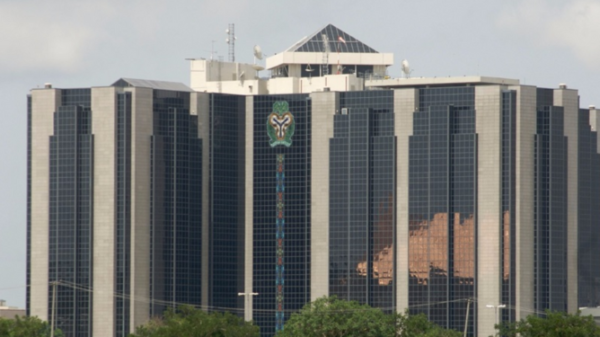
Nigeria’s pension regulator, the National Pension Commission (PenCom), has announced the disbursement of more than ₦577 billion to over one million Retirement Savings Accounts (RSAs), marking a major breakthrough in the long-running effort to clear outstanding pension liabilities under the Contributory Pension Scheme (CPS).

The disclosure was made on Tuesday at the 2025 PenCom Media Conference, themed “Pension Revolution Summit: A 365-Day Scorecard.” Speaking at the event, the Head of PenCom’s Management Services Department, Usman Musa, confirmed that a total of ₦577,264,960,890 has been paid into 1,053,000 RSAs belonging to retirees and active pension contributors.

According to Musa, the payments are part of the implementation of the ₦758 billion Federal Government of Nigeria (FGN) bond approved specifically to liquidate accumulated pension backlogs. He revealed that the entire ₦758 billion bond has now been released to the Commission, allowing PenCom to accelerate payments that had remained outstanding for years.

Providing a breakdown of the utilisation of the bond proceeds, Musa explained that ₦387 billion was set aside to fund pension increases. From this allocation alone, ₦362.7 billion has already been disbursed to beneficiaries. In addition, PenCom remitted ₦107 billion to address the Federal Government’s 2.5 percent pension contribution shortfall covering a five-year period between 2017 and 2021, when statutory contributions were not fully paid.

The ₦107 billion remittance, Musa said, was paid directly into the RSAs of 750,232 contributors. Taken together, the pension increases and contribution shortfall payments account for the ₦577.26 billion that has already reached over one million RSAs nationwide. He described the development as a critical milestone in restoring confidence in Nigeria’s pension system and easing financial pressure on retirees.

Earlier in the conference, PenCom’s Director-General, Omolola Oloworaran, described the release and deployment of the ₦758 billion bond as one of the most historic achievements of the past year. She noted that the presidential approval and subsequent disbursement sent a strong signal that the Nigerian government is committed to honouring its obligations to workers and retirees.

Oloworaran disclosed that PenCom also introduced a new initiative, Pension Post 1.0, aimed at improving benefit adequacy. Since its launch in June 2025, the initiative has added ₦2.68 billion to monthly pension payments for CPS retirees. She added that stricter enforcement measures introduced during the year have significantly improved compliance across the pension value chain.

According to her, PenCom issued a compliance circular in the second quarter of 2025 linking the issuance of Pension Clearance Certificates to participation in pension-related economic activities. This policy shift, she said, has delivered tangible results. Between January and November 2025, pension recoveries rose to ₦4.04 billion, compared with ₦1.44 billion recorded in the whole of 2024—an increase of 180 percent. Notably, ₦2.06 billion was recovered in the third quarter of 2025 alone, equalling the total recoveries recorded throughout 2024.

Beyond payments and enforcement, Oloworaran highlighted progress in technology and welfare initiatives. PenCom has fully automated several critical pension processes, including benefit processing and contribution remittance platforms. The Commission also inaugurated the Board of Trustees of the Pension Healthcare Initiative, designed to provide affordable and accessible healthcare for low-income retirees.

The current reforms trace their roots to the February 5, 2025 approval by the Federal Executive Council of the ₦758 billion bond, endorsed by President Bola Ahmed Tinubu. The bond, to be raised through the Debt Management Office, was designed to fully resolve accrued pension rights, pension increases dating back to 2007, the Pension Protection Fund, and the university professors’ pension shortfall.

PenCom maintains that with the clearance of these liabilities and reforms to ensure automatic monthly funding of accrued pension rights, Nigeria’s pension system is entering a more stable and predictable phase—one that prioritises timely payments, stronger compliance, and greater protection for retirees.

Nigeria’s Pension Assets Climb to ₦26.66 Trillion as PFAs Lean on Safer Investments

  • dollaers
  • December 13, 2025
  • Pension
  • 0 comments

Nigeria’s pension industry maintained its upward momentum in October 2025, with total pension assets rising to ₦26.66 trillion, underscoring the sector’s growing importance as a pillar of stability within the country’s financial system. The latest figures reflect a 2.19% month-on-month increase from the ₦26.09 trillion recorded in September, alongside a robust 21.63% year-on-year expansion, even as the broader economy continues to grapple with inflationary pressures, foreign exchange volatility, and uneven capital market sentiment.

The steady growth highlights the resilience of the pension system, which has been largely supported by prudent asset allocation decisions, conservative risk management, and sustained confidence in Federal Government securities. Pension Fund Administrators (PFAs) continued to tilt portfolios toward safer and more liquid instruments, reinforcing the industry’s defensive posture amid lingering macroeconomic uncertainty.

Participation in the pension scheme also edged higher during the month. Retirement Savings Account (RSA) enrolments increased from 10.93 million in September to 10.97 million in October, representing a 0.39% rise. This growth reflects the continued onboarding of new workers into the formal labour market as well as the gradual expansion of the micro-pension scheme, which is drawing more participants from the informal sector into the contributory pension framework.

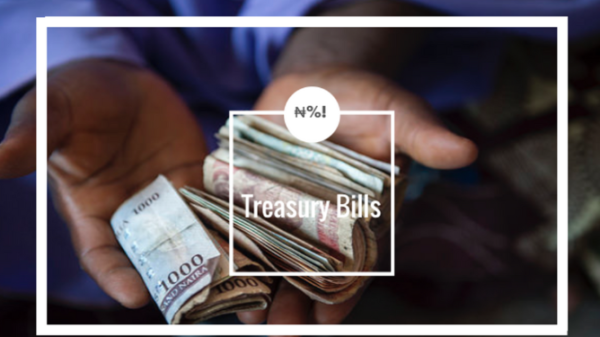
Federal Government securities remained the backbone of pension investments, accounting for 59.86% of total assets, equivalent to ₦15.96 trillion. This category recorded a modest 1.35% month-on-month increase, driven by selective inflows into instruments offering attractive yields and lower risk. Treasury Bills posted a strong 11.34% increase, benefiting from appealing short-term rates that attracted fresh allocations. Federal Government Bonds held to maturity (HTM) grew by 8.14% and remained the single largest asset class at ₦13.88 trillion, representing about 52% of total pension assets. Sukuk Bonds expanded by 5.33%, reflecting ongoing diversification into Sharia-compliant instruments, while Green Bonds rose by 1.68%, indicating renewed interest in sustainability-linked investments.

Money market instruments recorded one of the strongest performances in October, surging by 18.85% to ₦2.88 trillion, up from ₦2.42 trillion in the previous month. This segment now represents 10.80% of total pension assets, as PFAs prioritized liquidity and short-term returns. Fixed deposits and bank acceptances were the main drivers, jumping 24.89% to ₦2.48 trillion. In contrast, foreign money market instruments declined sharply by 44.80%, largely due to foreign exchange revaluation effects linked to naira volatility, while commercial papers rose modestly by 5.61% to ₦328.65 billion.

Corporate debt instruments experienced a contraction, with total holdings falling 3.41% to ₦2.16 trillion, accounting for 8.11% of total assets. Corporate bonds held to maturity declined by 3.70%, available-for-sale corporate bonds fell 2.67%, and infrastructure bonds dropped 7.61%. The pullback reflects ongoing concerns about credit risk in the private sector, elevated borrowing costs, and recent rating downgrades affecting some issuers.

Equity investments delivered mixed outcomes. Domestic equities rose 5.01% to ₦3.84 trillion, supported by bargain hunting and cautious optimism around year-end market performance. Foreign equities, however, declined 6.45%, mirroring valuation pressures and continued conservative FX positioning. Combined equity exposure accounted for approximately 15.39% of total pension assets.

Alternative assets also showed divergent trends. Mutual funds advanced 1.32% to ₦221.88 billion, while infrastructure funds climbed 9.23% to ₦262.57 billion, signaling renewed interest in real-sector diversification. Conversely, private equity investments fell 10.53%, real estate holdings plunged 40.19%, and supranational bonds declined 10.44%, largely due to portfolio rebalancing and valuation adjustments. Cash and other assets dropped 16.79%, as funds were redeployed into higher-yielding government and money market instruments.

Across fund categories, Fund II—the default fund for contributors aged 49 and below—remained dominant, rising 2.68% to ₦11.25 trillion, or 42.18% of total assets. Fund III (Pre-Retiree) grew 1.89% to ₦6.85 trillion, while Fund I (Aggressive) recorded a notable 6.99% increase. Other funds, including retiree, micro-pension, and Sharia-compliant funds, also posted steady gains.

Overall, October 2025 reaffirmed the pension industry’s resilience and strategic importance. With assets exceeding ₦26.66 trillion, the sector continues to serve as a stabilizing force in Nigeria’s financial markets, balancing capital preservation with the pursuit of sustainable returns in an uncertain economic landscape.

Pensioners Announce Nationwide Protest Over Unpaid Pension Increments and Palliative Allowances

  • dollaers
  • December 6, 2025
  • Pension
  • 0 comments

The Coalition of Federal Pensioners of Nigeria has declared plans to hold a nationwide protest on December 8, accusing the Federal Government of failing to release long-awaited pension increments and palliative allowances approved for retirees since 2023. The group said the demonstrations are intended to spotlight the financial hardship being endured by thousands of retired workers who depend on monthly pension payments for basic survival.

In a statement issued in Lagos on Friday, Mukaila Ogunbote, the national chairman of the coalition and head of the Nigeria Union of Pensioners (NUP) NIPOST chapter, explained that the protest is a last resort after months of unsuccessful engagement with relevant government agencies. According to him, several letters, appeals, and formal requests to the Federal Ministry of Finance and the Office of the Accountant General of the Federation failed to produce any meaningful response or action toward implementing the approved payments.

Ogunbote said the protest would proceed unless the government immediately releases the arrears of a N32,000 pension increment and a N25,000 palliative payment approved by the former administration in 2023 to cushion rising living costs. He noted that the growing frustration among pensioners reflects not only delayed payments but also what he described as a lack of seriousness from government officials responsible for pension administration.

Retirees Accuse Government of Neglect

Speaking on behalf of the coalition, Ogunbote accused government institutions of neglecting the welfare of pensioners despite multiple assurances. He urged retirees nationwide to participate in the demonstration to amplify the urgency of their demands.

“These institutions are not taking us seriously,” he said, calling for full mobilisation from pension chapter leaders across the states. According to him, many retired civil servants—some elderly, ill, or living with disabilities—have been pushed into financial distress due to the non-payment of the approved increments.

The planned protests will be staged in Abuja, Lagos, and state capitals across the Federation. Demonstrators are expected to converge on offices of the Pension Transitional Arrangement Directorate (PTAD), the agency that manages pensions for retirees under the Defined Benefit Scheme (DBS). Protests will also be held at selected Nigeria Television Authority (NTA) centres, which the coalition believes will draw national attention to the pensioners’ grievances.

Ogunbote called on state and union leaders to “fully mobilize their members” and emphasised the symbolic importance of a unified front. Describing the protest as a reflection of deep economic hardship, he said many pensioners have no other source of income or support and have been pushed to the edge by inflation, rising healthcare costs, and the high price of essential goods.

“We must show the wound that our clothes are covering,” he said, in a metaphor highlighting the despair faced by pensioners whose struggles are not visible to the public.

He added that the demonstrations would continue until pensioners receive payment alerts for the outstanding allowances. For retirees unable to travel long distances, he advised bringing personal supplies to remain at protest locations for extended periods if necessary.

Background: Increment Approvals Amid Rising Pension Reform Efforts

The coalition’s threat of mass protest comes despite recent efforts by the Federal Government to address challenges in pension administration. In September 2025, PTAD confirmed it had begun implementing pension increments for retirees under the Defined Benefit Scheme after the government released N20.188 billion in partial funding. The review included a flat-rate increase of N32,000, alongside percentage adjustments of 10.66% and 12.95%, reflecting in the September payroll for eligible pensioners.

PTAD said the adjustment followed the approval of an emergency budget intervention by President Bola Ahmed Tinubu to support revised pension payments. However, the coalition argues that many retirees have still not received their full entitlements, creating confusion and widening distrust in the system.

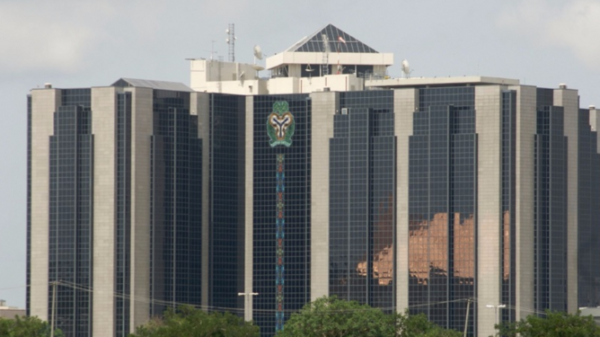
In a parallel development, the National Pension Commission (PenCom) reported significant progress under the Contributory Pension Scheme (CPS). PenCom said more than 552,000 retirees now receive their monthly pension through the CPS, and total pension assets have surpassed N25 trillion, underscoring the growing importance of Nigeria’s pension industry as a driver of investment and financial planning.

The Commission’s Director-General, Omolola Oloworaran, shared these updates in November during a sensitization workshop in Yola, designed to educate public sector workers and retirees in the North-East region about their pension rights and entitlements.

Outlook

As the December 8 protest date approaches, pressure is mounting on the Federal Government to resolve outstanding liabilities and avoid a nationwide demonstration that could expose deeper gaps in pension governance. The coalition maintains that the only acceptable resolution is the immediate payment of arrears owed to retirees, many of whom say they can no longer cope with rising living costs.

Forgot Password
Please enter your email address or username below.
*
 
Login
*
*
Lost Your Password
Dont have account? Signup