

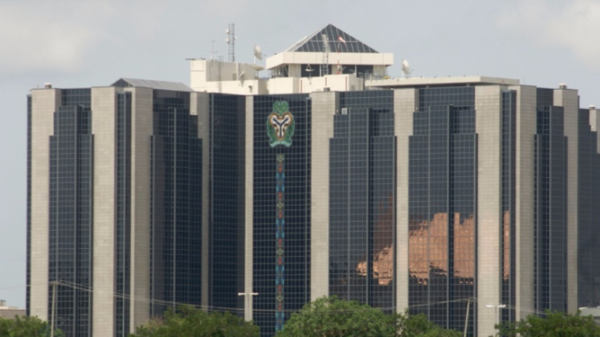


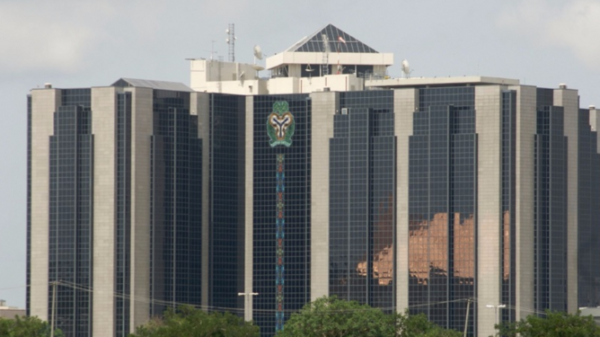































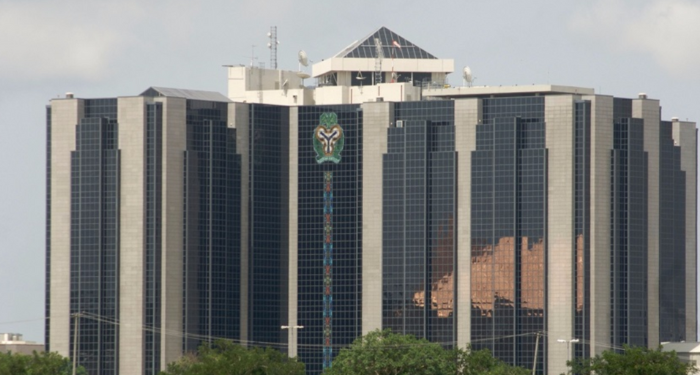
Nigeria’s business environment is expected to strengthen steadily over the next six months, with business confidence projected to rise to one of its strongest levels in recent years. This outlook is contained in the November 2025 Business Expectations Survey (BES) released by the Central Bank of Nigeria (CBN).
The survey indicates that while confidence remained at moderate levels in November, businesses across key sectors are increasingly optimistic about the macroeconomic environment and future economic activity. The CBN projects that the Business Confidence Index will rise significantly by mid-2026, reflecting expectations of stronger output, expanding operations, and improved demand conditions.
What the data shows
According to the November 2025 BES, overall business confidence stood at 37.5 index points during the review month. While still modest, this figure reflects positive sentiment among respondents regarding prevailing economic conditions. More importantly, the survey projects a steady improvement in confidence, rising to 52.8 index points over the next six months.
“The confidence index in November 2025 stood at 37.5 points, reflecting optimism among respondents regarding the macroeconomic environment. This optimism is projected to improve continuously, reaching a peak of 52.8 index points over the next six months,” the CBN stated in the report.
Sectoral data revealed broad-based optimism across the economy. The Industry sector recorded the highest confidence reading at 38.1 index points, driven by expectations of higher production and improved operating conditions. Agriculture and Services followed closely, underscoring a general recovery across productive sectors.
On expectations regarding firms’ own operations, Mining and Quarrying stood out with the highest confidence reading of 50.0 index points, suggesting strong expectations for output growth and business activity in the sector.
Regional outlook
The survey also revealed notable regional variations in business sentiment. The North-East emerged as the most optimistic region, recording a confidence index of 52.7 points, reflecting expectations of improved activity and business conditions.
In contrast, the South-East posted the lowest confidence reading at 18.7 index points. Despite this, all regions reported positive expectations across the review periods, indicating that optimism, though uneven, remains widespread across the country.
What’s driving the optimism
The improving outlook is closely linked to expectations of business expansion, rising activity levels, and stronger labour demand. Respondents expressed optimism about the volume of business activity in the near term, suggesting that firms anticipate increased orders, higher sales, and improved cash flows.
In line with this outlook, many businesses signalled intentions to hire additional workers in December 2025, pointing to potential gains in employment. Sectoral analysis showed that the Construction sector recorded the highest expansion prospects, reflecting increased expectations around infrastructure and building activity. Meanwhile, Mining and Quarrying led employment prospects during the review month.
These trends suggest that businesses are positioning themselves to take advantage of a gradually improving economic environment, supported by expectations of stronger demand and stabilising macroeconomic conditions.
Persistent challenges remain
Despite the positive outlook, the survey highlights several persistent headwinds facing businesses. Respondents identified insecurity, high taxes, poor power supply, elevated interest rates, and financial constraints as the most significant challenges affecting operations in November.
Poor infrastructure and an unfavourable political climate ranked lower among reported constraints, suggesting that financial and structural issues currently weigh more heavily on business confidence than political considerations.
The broader context
Supporting the survey’s findings, Nairametrics reports that Nigeria’s private sector continued to expand in November 2025, as the Purchasing Managers’ Index (PMI) rose to 56.4 from 55.4 in October. A PMI reading above 50 signals expansion, reinforcing signs of a steady economic rebound this year.
Overall, the CBN survey paints a picture of cautious but growing optimism among Nigerian businesses. While firms expect stronger growth and improved activity levels in the coming months, the sustainability of these gains will depend largely on addressing insecurity, high operating costs, and access to affordable financing.

Emmanuel Bassey is a Financial Expert that has worked in the Banking and Finance Industry for over 15+ years across different banks in Nigeria


