



























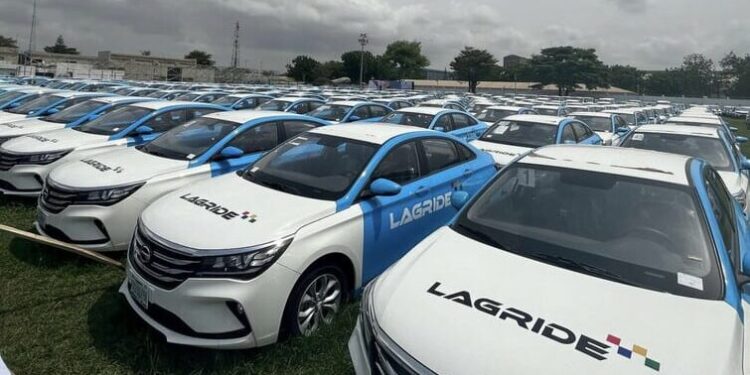
The Lagos State Government–backed e-hailing platform, LagRide, has secured a $100 million financing facility from United Bank for Africa (UBA) to significantly expand its Drive-To-Own programme, marking one of the largest structured financings yet in Nigeria’s urban mobility space. The funding is expected to accelerate LagRide’s efforts to move thousands of drivers away from daily rental arrangements and toward long-term vehicle ownership and small business formation.
In a statement released on Tuesday, LagRide said the financing would support the transition of approximately 3,500 drivers into asset ownership over time. Under the Drive-To-Own scheme, eligible drivers—known on the platform as “Captains”—are able to convert regular driving income into structured repayment plans that eventually result in full ownership of vehicles. The model is designed to replace informal and often exploitative rental systems with a more predictable, transparent, and bankable pathway to ownership.
The deal reflects growing confidence by major financial institutions in technology-enabled mobility platforms that can aggregate data, enforce operational discipline, and reduce credit risk. For banks, these platforms provide a scalable way to finance thousands of small operators who would otherwise struggle to access formal credit individually.
Explaining the vision behind the programme, LagRide’s Chairman, Chief Diana Chen, said the platform was deliberately structured to help drivers move up the economic value chain rather than remain perpetual renters. According to her, LagRide’s long-term ambition is to transform drivers into entrepreneurs who can own multiple vehicles, manage teams, and eventually become investors and partners within the mobility ecosystem.
“LagRide was created to give Lagos a modern, disciplined, and technology-driven mobility system while ensuring that drivers are not left behind,” Chen said. She added that the Drive-To-Own initiative is central to this mission, as it enables drivers to build assets, credit histories, and financial resilience. “This $100 million partnership with United Bank for Africa moves thousands of captains closer to owning productive assets, managing fleets, and building stronger financial futures.”
UBA’s Group Managing Director and Chief Executive Officer, Oliver Alawuba, described the mobility sector as a critical pillar of inclusive economic growth across Africa. He said the bank views LagRide as the kind of well-governed, data-driven platform capable of delivering both commercial returns and social impact. According to Alawuba, UBA’s support underscores its broader strategy of financing sectors that create jobs, formalise informal activities, and unlock productivity at scale.
At the operational level, LagRide’s Drive-To-Own programme relies on performance-based metrics such as trip completion, earnings consistency, and repayment discipline to determine eligibility and progression. Drivers who meet predefined criteria can transition from short-term rentals to structured ownership plans, with repayments deducted seamlessly from earnings. This approach helps lower default risk, a key challenge that has historically limited bank lending to individual transport operators.
The new financing will also allow LagRide to significantly expand the number of vehicles available under the programme, reducing drivers’ reliance on informal lenders or high-cost leasing arrangements. By acting as an intermediary between drivers and the banking system, LagRide aggregates operational data and enforces standards that individual drivers typically cannot provide on their own. Industry analysts say this model could gradually expand the pool of bankable transport operators and bring greater structure to urban mobility financing in Nigeria.
The funding comes at a time when LagRide is aggressively scaling its footprint. The company recently added 100 electric vehicles (EVs) to its fleet as part of a broader plan to roll out more than 3,000 EVs over the next three years. This initiative aligns with Lagos State’s push toward cleaner, smarter transportation and positions LagRide to capture a significant share of the city’s e-hailing market.
With competition from global and regional players such as Uber, Bolt, and inDrive intensifying, the UBA financing strengthens LagRide’s balance sheet and gives it the financial firepower to pursue both fleet expansion and driver empowerment simultaneously. If successfully executed, the Drive-To-Own model could redefine how mobility platforms in Nigeria and beyond balance profitability with inclusive growth, turning drivers into long-term stakeholders rather than disposable contractors.

Emmanuel Bassey is a Financial Expert that has worked in the Banking and Finance Industry for over 15+ years across different banks in Nigeria


