





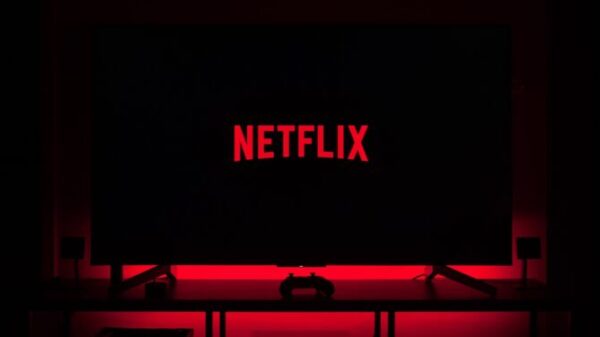































Netflix has sharply criticised Paramount’s proposed $108 billion takeover bid for Warner Bros. Discovery (WBD), raising concerns about the rival studio’s heavy debt burden and questioning the credibility of its financing structure.
Speaking to the Financial Times, Netflix co-chief executive Greg Peters said Paramount’s offer “doesn’t pass the sniff test,” arguing that the company is already over-leveraged and that most WBD shareholders have yet to back the proposal.
Netflix, which is pursuing a competing all-cash $82.7 billion bid, said its offer provides greater certainty and could allow shareholders to vote on the deal as early as April 2026.
If successful, Netflix’s acquisition would give it control of Warner Bros’ century-old film studio and HBO’s premium content library, including major franchises such as Game of Thrones and Harry Potter.
What Netflix is saying
Netflix has drawn a clear contrast between its offer and Paramount’s proposal, focusing on balance-sheet strength and execution risk.
“Paramount already is saddled with quite a lot of debt,” Peters said, adding that the rival’s $30-per-share offer would require what he described as “pretty crazy” levels of additional borrowing.
According to Peters, Netflix’s own financial position allows it to pursue the acquisition without relying on aggressive leverage, reducing uncertainty for shareholders.
He also argued that without the backing of Oracle co-founder Larry Ellison, Paramount would have “no chance in hell” of completing the transaction, highlighting the dependence of the bid on external financing.
The backstory
Paramount’s $108 billion bid for WBD is structured around a mix of debt and equity, including roughly $55 billion in debt and $40 billion in equity financing backed by Larry Ellison, the father of Paramount CEO David Ellison.
So far, Paramount has secured only about 7% of WBD shares through its tender offer, far below the 50% threshold required to gain control. While Paramount has signalled it could raise its bid, analysts have questioned whether further increases are feasible given the company’s existing leverage.
Netflix, by contrast, is positioning its bid as simpler and more transparent. The streaming giant, which now boasts around 325 million subscribers worldwide, says its all-cash offer eliminates the risks associated with complex financing structures and heavy borrowing.
Why it matters
The battle for Warner Bros. Discovery is being closely watched across the global entertainment industry, as a successful Netflix takeover could fundamentally reshape Hollywood.
A combined entity would merge Netflix originals such as Stranger Things and Squid Game with Warner’s deep catalogue of films and television content, potentially redefining production, distribution, and monetisation models.
Industry reports suggest Netflix could shorten theatrical exclusivity windows or release major films directly to streaming, a move that would further disrupt traditional cinema revenue.
Paramount has pushed back against Netflix’s criticism. Gerry Cardinale, founder of RedBird Capital and a major Paramount Skydance shareholder, dismissed Netflix’s bid as “smoke and mirrors,” arguing that it effectively shifts billions of dollars in debt onto WBD’s Discovery Global spin-off. He famously described the proposal as “the Harry Houdini of deals.”
As the contest intensifies, Netflix is presenting itself as financially disciplined and execution-ready, while portraying Paramount’s bid as over-leveraged and dependent on external backers — a narrative likely to weigh heavily on shareholder sentiment in the weeks ahead.

Emmanuel Bassey is a Financial Expert that has worked in the Banking and Finance Industry for over 15+ years across different banks in Nigeria


