
Creator
  • Type:
  • Genre:
  • Duration:
  • Average Rating:
Log In
 
  • Marketplace
Log In
 
  • Type:
  • Genre:
  • Duration:
  • Average Rating:
  • Marketplace

Month: October 2025

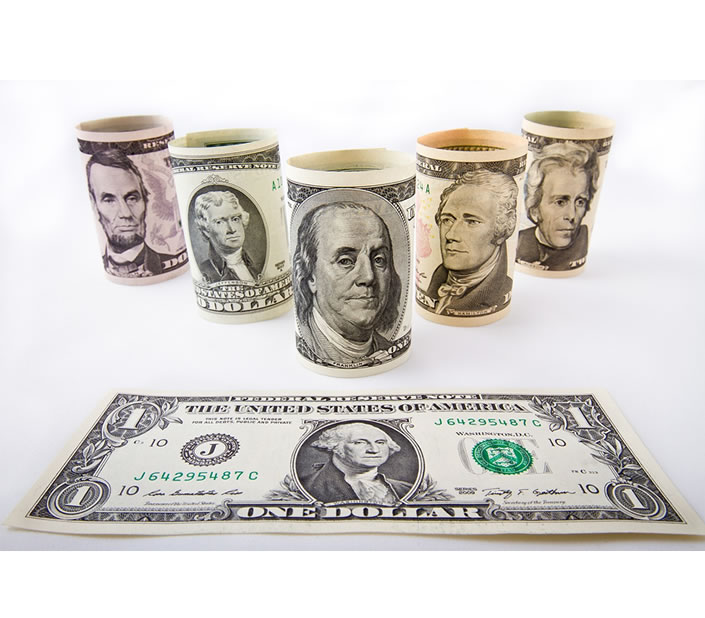
Naira Strengthens to ₦1,458/$1 — Marks Strongest Level Since 2024

  • dollaers
  • October 11, 2025
  • Finance
  • 0 comments

The Naira ended the week on a high note, appreciating to ₦1,458 per U.S. dollar on Friday — its strongest performance since 2024. The rally comes as the Central Bank of Nigeria (CBN) continues to intensify market interventions aimed at stabilizing the foreign exchange (FX) market and sustaining monetary gains achieved in recent months.

According to data published on the CBN’s official website, the Naira opened the week at ₦1,464/$1 on Monday, briefly dipped to ₦1,472/$1 on Tuesday, then strengthened midweek to ₦1,469/$1 on Wednesday and ₦1,464/$1 on Thursday. By Friday, it closed at ₦1,458/$1, reflecting a steady recovery trend.

Narrow Gap Between Official and Parallel Markets

At the parallel market, the Naira traded between ₦1,495 and ₦1,505 per dollar, indicating a small margin from the official rate. Analysts noted that this narrow gap points to reduced arbitrage opportunities, suggesting improved alignment between both market segments — a key policy goal of the CBN.

Week-on-Week Gains

On a week-on-week basis, the Naira appreciated by ₦11, representing a 1.1% gain compared to last week’s close of ₦1,469/$1.

Last week, the local currency traded at ₦1,478/$1 on Tuesday, appreciated slightly to ₦1,464.85/$1 on Thursday, and then weakened to ₦1,469/$1 by the week’s end. The rebound in the latest trading sessions signals growing stability in the FX market.

Foreign Reserves See Modest Growth

Nigeria’s external reserves also recorded a slight increase, rising from $42.4 billion to $42.5 billion over the week. CBN data shows that reserves have been on an upward trajectory since July 14, 2025, boosted by improved oil export receipts and inflows from investors and development partners.

Currency dealers credit the Naira’s recovery to the CBN’s tighter FX management, active market interventions, and continued efforts to discourage speculative trading.

Expert Insights

President of the Association of Bureau De Change Operators of Nigeria (ABCON), Alhaji Aminu Gwadabe, told Nairametrics that the strengthening of the Naira is linked to increased crude oil production, better foreign investment inflows, and the CBN’s firm stance on managing dollar demand.

“We’re seeing stronger fundamentals and better coordination between fiscal and monetary policies,” Gwadabe said. “This is restoring confidence and attracting more inflows.”

CBN and Federal Government Maintain Optimism

During a recent address in Uyo, the CBN Governor, Olayemi Cardoso — represented by Hakama Sidi Ali, Acting Director of Corporate Communications — said that ongoing reforms were producing visible results.

“We are seeing gradual inflation moderation and improved FX stability,” he noted, adding that the new BMatch System for forex trading has enhanced market transparency and uniformity across trading platforms.

President Bola Tinubu, in his 65th Independence Day address, also reaffirmed his government’s commitment to maintaining FX reforms. He highlighted that the gap between the official and parallel market rates has narrowed substantially, eliminating multiple exchange windows and strengthening market confidence.

Outlook

Despite earlier skepticism from some economists about the administration’s ambitious FX and inflation targets, the Naira’s current trajectory suggests that ongoing reforms may be taking hold.

Tinubu’s 2025 budget projections anticipated a reduction in inflation from 34.6% to 15% and an exchange rate improvement to around ₦1,500/$1 — benchmarks that now appear increasingly achievable if current trends persist.

Unity Bank MD Commends Frontline Staff, Reaffirms Focus on Customer Service Excellence

  • dollaers
  • October 11, 2025
  • Bank
  • 0 comments

Unity Bank Plc marked Customer Service Week 2025 with the theme “Mission: Possible,” celebrating the dedication of its frontline staff and reaffirming its commitment to customer-centric innovation and excellence.

Managing Director and Chief Executive Officer, Mr. Ebenezer Kolawole, emphasized that responsiveness and innovation are at the heart of Unity Bank’s service culture — vital qualities that enhance customer experience and set the Bank apart in Nigeria’s competitive financial sector.

Speaking during the official flag-off of the celebration, Kolawole said the Bank’s approach to service delivery continues to evolve alongside the needs of its growing customer base.

“As customers become more sophisticated, we’ve had to innovate not just in technology but in the entire customer journey,” he noted. “We’re investing in systems, people, and platforms that allow us to redefine how we engage and support our customers.”

Kolawole praised Unity Bank’s frontline teams for their resilience, professionalism, and passion, describing them as the foundation of the Bank’s success. He noted that the 2025 Customer Service Week theme, “Mission: Possible,” reflects the institution’s belief that customer needs can always be met through teamwork, creativity, and service excellence.

“At Unity Bank, our mission is simple — to make banking easy, accessible, and rewarding for everyone. ‘Mission Possible’ captures the spirit with which we approach every challenge, whether through digital innovation, branch operations, or customer support,” Kolawole added.

Recognizing Exceptional Staff and Innovation

Chief Customer Service Officer, Elfrida Igebu, highlighted the importance of celebrating staff who consistently go above and beyond in delivering value to customers.

“This year’s theme reminds us that no challenge is insurmountable with the right mindset and teamwork,” she said. “Our frontline staff demonstrate daily that at Unity Bank, service excellence isn’t just a goal — it’s our mission.”

A Week of Appreciation and Engagement

The 2025 Customer Service Week featured various activities across Unity Bank’s branches nationwide, including customer appreciation events, staff recognition awards, themed decorations, cultural attire displays, and digital media activations — all aimed at reinforcing the Bank’s culture of appreciation and connection.

Driving Customer Experience Through Technology

Unity Bank continues to invest heavily in digital innovation, including its *multilingual USSD platform (7799#) and the Unifi mobile banking app, both designed to make banking simpler, faster, and more inclusive.

Through these initiatives and its commitment to continuous improvement, Unity Bank maintains its focus on building a customer-first culture — proving that with dedication and innovation, “Mission: Possible” is more than a theme; it’s a promise.

Ekiti State Proposes ₦415.57 Billion Budget for 2026 — Up 11% from 2025

  • dollaers
  • October 11, 2025
  • Finance
  • 0 comments

The Governor of Ekiti State, Biodun Oyebanji, has presented a ₦415.57 billion budget proposal for the 2026 fiscal year, representing an 11% increase from the 2025 appropriation. The new budget underscores his administration’s commitment to consolidating development gains and advancing key infrastructure and social projects across the state.

According to details published on the Ekiti State Government’s official website, the 2026 budget comprises ₦221.87 billion for Recurrent Expenditure (53% of the total) and ₦193.70 billion for Capital Expenditure (46%).

Focus on Infrastructure and Job Creation

Presenting the budget before the Ekiti State House of Assembly at the Old Assembly Complex in Ado-Ekiti, Governor Oyebanji said the proposal was carefully designed to complete ongoing infrastructure projects, boost job creation, and strengthen livelihood opportunities across critical sectors of the economy.

He noted that the 2026 Appropriation Bill reflects the outcome of extensive consultations held with traditional rulers, community representatives, civil society groups, and other stakeholders during statewide Town Hall Meetings across the three senatorial districts.

Revenue Sources and Funding

The governor explained that the budget will be funded through Federal Allocations, Value Added Tax (VAT), independent revenues from Ministries, Departments and Agencies (MDAs), tertiary institutions, international donor agencies, and other sundry sources.

He emphasized that the fiscal plan aligns with the Ekiti State Development Plan (2021–2050), the Medium-Term Expenditure Framework (2026–2028), and the administration’s Six-Pillar Development Agenda, all prepared in compliance with the National Chart of Accounts (NCoA) adopted by the Nigerian Governors’ Forum (NGF).

Legislative Commitment to Accountability

In his remarks, the Speaker of the Ekiti State House of Assembly, Rt. Hon. Adeoye Aribasoye, pledged that the legislature would ensure accountability and transparency in the implementation of the budget.

“Every naira will be accounted for and directed towards priority sectors that deliver maximum benefit to the people of Ekiti State,” he said, assuring that lawmakers will carefully review the proposal to ensure it aligns with citizens’ needs and aspirations.

Fiscal Reforms and Revenue Expansion

According to the 2026 Draft Budget Estimates released earlier on August 28, 2025, the state plans to diversify revenue sources and strengthen the capacity of the Ekiti State Internal Revenue Service (EKIRS) to reduce reliance on federal allocations.

The report also noted that the government aims to leverage the 2025 Tax Laws, which came into effect on January 1, 2025, to significantly boost internally generated revenue (IGR) across key economic sectors.

Context: States’ IGR Performance

Recent data from the National Bureau of Statistics (NBS) shows that Nigeria’s 36 states and the FCT generated a combined ₦3.63 trillion in Internally Generated Revenue (IGR) in 2024 — bringing the total IGR across the country between 2021 and 2024 to ₦10.88 trillion.

The 2026 Ekiti State budget, therefore, reflects a broader trend of states intensifying efforts to expand fiscal independence and promote sustainable development through strategic investments and improved revenue mobilization.

Court Sentences Former FCTA Director Garuba Duku to 24 Years for ₦318 Million Fraud

  • dollaers
  • October 10, 2025
  • Finance
  • 0 comments

The Independent Corrupt Practices and Other Related Offences Commission (ICPC) has secured the conviction of Garuba Mohammed Duku, a retired Director of Finance and Administration at the Abuja Metropolitan Management Council (AMMC) under the Federal Capital Territory Administration (FCTA), for corruption and money laundering totaling ₦318 million.

The Federal High Court in Abuja, presided over by Justice James Omotosho, sentenced Duku to 24 years imprisonment after finding him guilty on all six counts of corruption and money laundering filed by the ICPC in Suit No: FHC/ABJ/CR/608/2022.

Fraudulent Diversion of Public Funds

Investigations revealed that between 2012 and 2013, Duku diverted ₦318,250,000 belonging to AMMC into his personal Fidelity Bank account. The funds were received in several tranches — including ₦56.25 million, ₦71 million, ₦53 million, ₦54 million, ₦46 million, and ₦36.3 million — and subsequently transferred to Bureau de Change operators for unauthorized transactions.

According to the ICPC, Duku’s method of releasing and withdrawing funds breached government financial regulations. His claim that the money was distributed to his superiors was dismissed due to lack of evidence.

Court’s Verdict

Justice Omotosho ruled that the prosecution proved its case beyond reasonable doubt, establishing that the defendant abused his position for personal gain.

Duku was sentenced to four years’ imprisonment on each of the six counts, to run concurrently. Alternatively, he may pay a fine equivalent to five times the amount involved in each count, amounting to roughly ₦1.6 billion.

ICPC’s Reaction

The ICPC described the ruling as a reaffirmation of its commitment to ensuring accountability and transparency in public service. The Commission emphasized that no public officer who betrays public trust will go unpunished.

Broader Anti-Corruption Drive

This conviction adds to a growing list of successful ICPC prosecutions. Recently, the Commission charged two Rural Electrification Agency (REA) staff members — Umar Musa Karaye and Emmanuel Titus — over an alleged ₦426 million project supervision fraud.

Similarly, Emmanuel Ogunyemi, a Lagos civil servant, was convicted for drawing double salaries from two government entities totaling ₦3.49 million, while Adam Imam Yusuf, a Deputy Commandant of the NSCDC, and Vice Admiral Usman Jibrin (rtd.), a former Chief of Naval Staff, were also arrested earlier this year for allegedly diverting over ₦3 billion in public funds.

The ICPC reaffirmed that such cases underscore its zero-tolerance stance on corruption and its determination to protect public resources from abuse.

World Bank: FIRS’ 4% Revenue Allocation Exceeds South Africa, Ghana, and Kenya

  • dollaers
  • October 10, 2025
  • Bank
  • 0 comments

The World Bank has revealed that Nigeria’s revenue-sharing arrangement, which allocates 4% of non-oil and oil revenues (excluding royalties) to the Federal Inland Revenue Service (FIRS), is significantly higher than what is obtainable in comparable economies such as Kenya, Ghana, South Africa, and Uganda.

This disclosure was made in the October 2025 edition of the Nigeria Development Update (NDU), titled “From Policy to People: Bringing the Reform Gains Home.” The report highlighted that Nigeria’s cost of revenue collection framework has contributed to a rise in statutory deductions, reducing the total funds available for distribution among the federal, state, and local governments through the Federation Account Allocation Committee (FAAC).

Nigeria’s Collection Cost Far Above Peers

According to the World Bank, Nigeria’s 4% cost of collection allocated to FIRS stands out as one of the highest globally.

“Nigeria’s current arrangement—allocating a fixed four percent of non-oil and oil revenues (excluding royalties) to FIRS—is significantly higher than the cost of collection in peer countries,” the report stated.

In contrast, Kenya caps its collection cost between 1% and 2% of budgeted revenues, granting bonuses only when performance targets are exceeded. Meanwhile, Uganda, South Africa, and Ghana fund their revenue agencies primarily through annual parliamentary appropriations, allowing for stronger budgetary oversight and transparency.

The World Bank cautioned that Nigeria’s current model has led to fiscal inefficiencies, reducing the resources available for essential public spending and weakening the equitable sharing of national revenue across government tiers.

Deductions Nearly Double in One Year

The report revealed that statutory deductions surged to N1.785 trillion in 2024, up from N870 billion in 2023 — a near 100% increase.

Major beneficiaries of these deductions include:

  • Federal Inland Revenue Service (FIRS)

  • Nigeria Customs Service (NCS)

  • Nigerian Upstream Petroleum Regulatory Commission (NUPRC)

  • Nigerian Midstream and Downstream Petroleum Regulatory Authority (NMDPRA)

  • North-East Development Commission (NEDC)

Agencies Received More Than Some States and Ministries

The World Bank noted that the size of these allocations was so substantial that several parastatals received more funding than some states and even key federal ministries.

“In 2024, several of these parastatals received more from FAAC than individual states collected in total revenues. Moreover, the combined allocations to these agencies exceeded the 2024 budgetary resources for pro-poor ministries such as Education (N1.589 trillion), Health (N1.336 trillion), and Poverty Alleviation (N263 billion),” the report stated.

Nigeria’s Economic Outlook Improving

Despite the fiscal inefficiencies highlighted, the World Bank’s latest NDU report acknowledged Nigeria’s economic resilience and gradual recovery.

It projected that Nigeria’s public debt could fall below 40% of GDP for the first time in over a decade. The economy reportedly expanded by 3.9% year-on-year in the first half of 2025, compared to 3.5% in the same period of 2024, driven by growth in services, agriculture, and non-oil industries.

According to the Bank, improvements in oil production, coupled with ongoing reforms in monetary and fiscal policy, have supported a more stable outlook for the Nigerian economy heading into 2026.

OpenAI Expands ChatGPT Go Plan to 16 New Asian Countries

  • dollaers
  • October 10, 2025
  • Business
  • 0 comments

OpenAI has announced the expansion of its affordable ChatGPT Go plan to 16 new countries across Asia, marking another major step in its mission to make artificial intelligence tools accessible to a broader global audience.

The rollout extends availability to Afghanistan, Bangladesh, Bhutan, Brunei Darussalam, Cambodia, Laos, Malaysia, Maldives, Myanmar, Nepal, Pakistan, the Philippines, Sri Lanka, Thailand, East Timor, and Vietnam.

According to OpenAI, users in countries like Malaysia, Thailand, Vietnam, the Philippines, and Pakistan can now pay for their subscriptions using local currencies, while others will pay roughly $5 USD per month, subject to local tax adjustments.

Expanding Access to AI in Emerging Markets

The ChatGPT Go plan is designed to bring powerful AI capabilities to users who may not be able to afford premium tiers. The plan includes upgrades such as:

  • Higher daily message limits

  • Enhanced image generation and file upload features

  • Twice the memory of the free version for more personalized interactions

By offering an affordable entry point, OpenAI aims to bridge the accessibility gap and foster AI adoption across emerging economies in Asia.

How ChatGPT Go Began

OpenAI first introduced ChatGPT Go in August 2025, debuting in India at a subscription price of ₹399 per month—its most affordable plan to date. The choice of India as the launch market reflected the country’s rapid embrace of AI technologies and its mature mobile payment ecosystem.

The plan’s success was immediate, with a surge in subscriptions driven by users in education, small businesses, and content creation. Encouraged by this momentum, OpenAI expanded the plan to Indonesia in September 2025, citing the nation’s fast-growing digital economy and increasing reliance on AI tools.

In both India and Indonesia, ChatGPT Go provided users with extended message limits, image generation tools, and greater memory capacity, previously reserved for higher-tier subscribers.

Southeast Asia’s User Base Quadruples

OpenAI revealed that its user base in Southeast Asia has grown fourfold over the past few months. The company attributes this surge to higher smartphone penetration, improved internet access, and growing digital literacy across developing Asian nations.

According to OpenAI, weekly active users in the region now make up one of the platform’s fastest-growing demographics globally. The company also hinted at future expansions to other emerging markets as it scales infrastructure and payment support.

Competing in the Global AI Subscription Market

OpenAI’s expansion comes amid intensifying competition in the global AI landscape. Tech rival Google recently launched its Google AI Plus subscription in Indonesia, expanding it to over 40 countries since September.

Google’s plan grants subscribers access to Gemini 2.5 Pro, the company’s most advanced AI model, along with creative tools for image and video generation, including Flow (for design), Whisk (for image remixing), and Veo 3 Fast (for video creation). It also offers 200GB of cloud storage, appealing to creators and professionals who seek integrated AI productivity tools.

OpenAI’s Growing Ecosystem and Developer Base

Despite competition, OpenAI continues to expand its influence. CEO Sam Altman recently disclosed that ChatGPT now serves over 800 million weekly active users, up from 700 million in August.

The company also boasts a community of over 4 million developers building on its API, with more than 6 billion tokens processed per minute through the platform. This growth underscores ChatGPT’s increasing importance across industries, from education and design to enterprise productivity and software development.

Challenges Behind the Growth

While OpenAI’s global footprint continues to grow, the company faces the financial strain of scaling its AI infrastructure. Reports indicate that OpenAI recorded a $7.8 billion operating loss in the first half of 2025 as it ramped up investment in computing capacity and AI model training.

Nonetheless, the company remains focused on its long-term goal of profitability through subscription plans, API usage, and enterprise partnerships.

What This Means for AI Access in Asia

The rollout of ChatGPT Go across 16 new Asian countries is more than just a pricing strategy — it’s a signal of OpenAI’s intent to democratize access to advanced AI tools.

By localizing payment options and offering affordable entry tiers, OpenAI is positioning itself as a key driver of AI inclusion in regions that have historically been underserved by global tech innovations.

For millions of students, entrepreneurs, and professionals across Asia, ChatGPT Go could become their first step into the world of generative AI — enabling creativity, productivity, and innovation at a fraction of traditional costs.

As OpenAI continues to expand its presence, the AI adoption curve across emerging markets is set to accelerate — reshaping how technology, education, and business evolve across the continent.

Where Should Nigerians Invest N1 Million in Q4 2025?

  • dollaers
  • October 10, 2025
  • Finance
  • 0 comments

Deciding where to invest N1 million in the final quarter of 2025 demands strategy, timing, and a deep understanding of Nigeria’s shifting economic landscape.

With inflation easing to 20.12% as of August 2025, investors now have a rare window to reposition their portfolios toward real, inflation-beating growth. The key is not just earning returns but achieving real returns that outperform inflation.

Understanding the Investment Landscape

Before choosing assets, it’s crucial to revisit the fundamentals that shape every sound investment:

  • Time value of money: N1 today is worth more than N1 tomorrow.

  • Risk premium: Every investment should compensate for the risk taken above a risk-free return.

  • Inflation protection: Your returns must consistently outpace inflation to preserve purchasing power.

The right mix of assets must therefore reward time, compensate for risk, and stay ahead of inflation. Your selection should also depend on your age, financial goals, and risk tolerance.

Economic Conditions Shaping Q4 2025

Nigeria is currently in a disinflationary phase, with relative foreign exchange stability and signals that global central banks are moving toward rate cuts. Locally, ongoing banking and insurance recapitalization efforts and the CBN’s takeover of the fixed-income settlement platform from FMDQ are reshaping liquidity flows in the market.

These developments are expected to drive asset performance through the rest of 2025.

Equities: The Likely Winner in a Rate-Cut Era

The Central Bank of Nigeria (CBN) recently reduced the Monetary Policy Rate (MPR) from 27.5% to 27%, a move that traditionally favors the stock market.

When policy rates drop, yields on fixed-income instruments fall, prompting investors to chase higher returns in equities.

For instance, recent Treasury Bill stop rates ranged from 15% to 16.78%, still below inflation — meaning fixed-income investors are earning negative real returns.

In contrast, the Nigerian Exchange (NGX) has been vibrant, with over 99 listed stocks posting year-to-date gains above inflation. The consumer goods, industrial, ICT, and conglomerate sectors are leading the charge, benefiting from lower borrowing costs and improving corporate earnings.

Best Equity Picks for Q4

Investors should look toward sectors showing resilience and room for growth:

  • Consumer Goods: After struggling in 2024, the sector has bounced back in 2025. Out of its 20 listed companies, only one remains a laggard. Stocks like Honeywell Flour (up 258% YTD but still below its 52-week high) and Northern Nigeria Flour Mills (over 30% below its peak) still present attractive entry points.

  • Dividend Champions: Stable dividend payers provide both income and stability. Seplat, Okomu Oil, Presco, Skye Shelter Fund, Dangote Cement, and Airtel Africa remain top choices for their consistent payouts. For instance, Okomu Oil recently declared an interim dividend of N30 per share, translating to N300,000 for investors holding 10,000 units.

  • Liquidity Leaders: Banking stocks stand out for their high trading volumes and free float. This makes entry and exit easier while providing exposure to strong dividend history.

Fixed Income: Safety and Predictability

For conservative investors, Treasury Bills, Federal Government Bonds, and Savings Bonds still provide safety and predictable income, even though real returns remain slightly negative.

However, the minimum investment amounts for these instruments often exceed what small investors can access directly. The workaround is to invest through fixed-income mutual funds or money market funds, which allow smaller contributions while providing professional management.

Corporate Commercial Papers (CPs) currently yield around 22% upfront, giving room for reinvestment and compounding potential. These are best accessed through mutual funds or secondary markets due to their higher entry thresholds.

Alternative Assets: Diversifying for Inflation Protection

Alternative investments are gaining traction among Nigerian investors seeking inflation hedges and diversification. Options include commodities (especially gold), foreign currencies, cryptocurrencies, ETFs, derivatives, and Real Estate Investment Trusts (REITs).

Gold, notably, has surged over 50% year-to-date in 2025, reaffirming its role as a hedge against currency weakness and inflation. Meanwhile, REITs provide exposure to real estate income streams without the burden of direct property ownership.

Recommended Q4 Portfolio Allocation

For investors looking to deploy N1 million wisely in Q4 2025, a balanced mix offers both stability and opportunity:

  • 60% Equities: Focus on growth and dividend stocks.

  • 25% Fixed-Income Funds: Provide stability and steady income.

  • 15% Alternative Assets: Hedge against inflation and diversify risk.

This allocation ensures that your investment not only grows but also adapts to Nigeria’s evolving economic dynamics.

Final Thoughts

Q4 2025 presents an exciting window for Nigerian investors. With inflation easing, interest rates declining, and corporate earnings improving, the stock market remains the strongest path to achieving real, inflation-adjusted returns.

A diversified approach — balancing equities, fixed income, and alternatives — will help investors maximize growth, preserve capital, and maintain liquidity as Nigeria’s economy transitions into 2026.

Dangote Cement Leads Market Turnover as ASI Surges Past 146,000, Up 42% YTD

  • dollaers
  • October 10, 2025
  • Business
  • 0 comments

The Nigerian Exchange continued its bullish momentum on October 9, 2025, as the All-Share Index (ASI) climbed 485.2 points to close at 146,204.3. This marks a 0.33% gain from the previous session’s 145,719.1 and solidifies an impressive year-to-date return of 42.05%. Despite a slowdown in overall market activity, investor sentiment remained positive, driven largely by heavyweight stocks, particularly Dangote Cement.

Market capitalization mirrored the index’s rise, closing at approximately ₦92.79 trillion across 24,691 deals. The achievement reaffirms the market’s resilience and continued investor confidence, especially in large-cap equities that have underpinned the rally through most of the year.

However, trading momentum moderated compared to the previous session. Total volume traded stood at 346.9 million shares, declining from 525.6 million. While lower turnover may signal cautious repositioning by investors, value-driven trades remained substantial, with institutional interest heavily concentrated in a few blue-chip stocks.

Dangote Cement Dominates in Value

Dangote Cement emerged as the most influential stock of the session, not only contributing to market stability but also leading the value chart with transactions worth ₦11 billion. The company’s stock appreciated by 1.89%, reinforcing its status as a bellwether equity. Dangote Cement’s strong participation was instrumental in lifting the broader market, particularly the industrial goods sector, which has been pivotal to recent index gains.

Other high-value tickers, including Nestlé Nigeria and MTN Nigeria, followed with ₦5.09 billion and ₦4.93 billion respectively in trade value. Aradel Holdings recorded ₦1 billion, while Fidelity Bank closed the top value list with ₦861.5 million.

Top Gainers and Losers

The session produced notable price movements, with significant advances among mid-cap stocks. EUNISELL and Caverton topped the gainers’ chart, each hitting the maximum allowable daily increase of 10%. EUNISELL closed at ₦44.00, while Caverton ended at ₦6.93. Other strong performers included SUNU Assurance (+9.90% to ₦5.77), International Medical Group (IMG) (+9.10% to ₦35.95), and Mecure Industries (+8.81% to ₦28.40).

On the losing end, FTN Cocoa Processors declined by 6.67% to ₦5.60, emerging as the day’s highest laggard. Tantalizer fell 3.35% to ₦2.31, followed by Fidelity Bank (-2.38% to ₦20.50), PZ Cussons (-2.18% to ₦38.15), and Veritas Kapital (-1.90% to ₦2.06). The downward pressure on these stocks underscored pockets of profit-taking, even as the broader market advanced.

Most Active Stocks by Volume

Fidelity Bank led activity by volume, exchanging 42 million shares. It was followed closely by Dangote Cement with 20.9 million shares, reflecting strong institutional interest. Sterling Financial Holdings moved 19.8 million shares, while Jaiz Bank and Chams Holdings completed the top five with 19.4 million and 17.6 million shares respectively.

The presence of both banking and industrial giants on the activity charts illustrated the mixed-sector participation driving current market performance.

Performance of SWOOTs and Tier-One Banks

Stocks Worth Over One Trillion Naira (SWOOTs)—major blue-chip companies with substantial market capitalization—had a mixed outing. International Breweries gained 2.19%, continuing its recent turnaround. Dangote Cement added 1.89%, Nigerian Breweries rose 1.10%, Stanbic IBTC advanced 0.93%, Lafarge Africa climbed 0.70%, and MTN Nigeria managed a marginal increase of 0.02%. In contrast, BUA Cement slipped 0.63%, lagging behind its sector peers.

In the banking sector, tier-one lenders, commonly referred to as FUGAZ (Fidelity, UBA, GTCO, AccessCorp, Zenith), showed mostly positive sentiment. Guaranty Trust Holding Company (GTCO) advanced 1.06%, First Bank Holding Company (FirstHoldCo) gained 0.32%, and Zenith Bank added 0.29%. Access Holdings (AccessCorp) declined 0.76%, while United Bank for Africa (UBA) dipped 0.35%. The mixed performance reflects selective buying within the sector, influenced by dividend positioning and expectations for upcoming earnings releases.

Market Outlook

The Nigerian All-Share Index has firmly re-established its bullish trajectory, surpassing the 145,000 and 146,000 thresholds in quick succession. Sentiment remains buoyed by strong performances in high-cap stocks, ongoing corporate earnings releases, and sustained macroeconomic optimism.

Analysts suggest that the resilience of industrials and consumer goods, alongside renewed interest in the banking sector, could further support the rally. However, the decline in trading volume signals that investors may be adopting a more strategic approach, anticipating periods of consolidation after consecutive gains.

In the near term, attention will be focused on upcoming third-quarter financial reports, central bank policy cues, and global commodity price trends—all key variables with potential influence on market direction.

Institutional investors are expected to remain active, particularly in fundamentally strong equities. Retail participation may continue to fluctuate, influenced by short-term price swings and profit-taking opportunities.

Conclusion

October 9, 2025’s trading session reinforced the Nigerian market’s upward momentum, with gains led by major industrials such as Dangote Cement. The index’s 42.05% year-to-date growth highlights growing investor confidence and renewed capital market vibrancy. While moderate trading volumes indicate caution, strong value trades suggest that long-term investors remain engaged.

The balance between profit-taking and accumulation will likely define upcoming sessions. If current sentiment endures, the ASI may soon test new historic levels, supported by blue-chip stability, sector rotation, and macroeconomic improvements.

As earnings season approaches, market participants are poised for further equity revaluation, particularly in companies demonstrating solid financial performance and sustainable dividend potential.

LemFi Introduces AI-Powered ‘Send Now, Pay Later’ to Transform Remittances for UK Immigrants

  • dollaers
  • October 10, 2025
  • Fintech
  • 0 comments

LemFi, the international payments platform serving over 2 million immigrants, has launched Send Now, Pay Later (SNPL) — an AI-driven remittance service that allows UK-based users to send money home instantly and pay later using a flexible credit line.

The new feature combines credit and remittance services, addressing one of the biggest challenges for immigrants — sending money home despite cash flow timing issues. Each year, immigrants in the UK remit nearly £10 billion, but many face delays when unexpected expenses arise or rely on high-cost credit providers.

Bridging Credit and Remittance

Powered by LemFi’s Ensemble AI model, SNPL evaluates a wide range of data — from credit bureaus and open banking records to users’ remittance histories — to determine credit eligibility and repayment terms.

“The concept of Buy Now, Pay Later has transformed retail,” said Ridwan Olalere, Co-founder and CEO of LemFi. “With Send Now, Pay Later, we’re bringing that same flexibility to remittances, ensuring that financial support for loved ones is never delayed by timing or cash flow issues.”

Through LemFi Credit, users can access credit lines between £300 and £1,000, even without a traditional UK credit history. The AI engine also recognizes international credit footprints and alternative financial data, allowing new immigrants to qualify for credit and gradually build their UK credit profile.

How It Works

Once approved, users can use their available credit to send funds to any of LemFi’s 30+ supported countries. Transfers are processed immediately, while repayment is deferred based on the user’s credit terms — offering both speed and flexibility.

By integrating AI-driven credit assessment, LemFi predicts affordability more accurately and minimizes bias in credit decisions, helping to close the “credit invisibility” gap that affects millions of immigrants.

Tackling Financial Exclusion

In the UK, about five million people are considered “credit invisible,” with immigrants disproportionately excluded from mainstream banking. According to research, nine in ten immigrants say credit access has become more difficult, while 13% remain entirely unbanked.

LemFi’s SNPL aims to bridge that divide by providing affordable access to credit-backed remittances — a lifeline for many families that depend on timely cross-border support.

Expansion Plans

After its UK debut, LemFi plans to roll out the SNPL feature in the United States, Canada, and Europe. The company already supports transactions to over 30 countries across Africa, Asia, Europe, and Latin America.

Earlier this year, LemFi raised $53 million in Series B funding, bringing total funding to $86 million from investors including Highland Europe, LeftLane Capital, Endeavor Capital, and Y Combinator.

For more information, visit www.lemfi.com.

ChatGPT said: Bank Lending to Agriculture Rises to 5.33% in May 2025 — NIRSAL

  • dollaers
  • October 10, 2025
  • Bank
  • 0 comments

Bank lending to Nigeria’s agricultural sector increased to 5.33% of total credit as of May 2025, marking a rebound after years of decline, according to the Nigeria Incentive-Based Risk Sharing System for Agricultural Lending (NIRSAL).

The sector’s share of total lending had dropped from 6.18% in 2022 to 4.82% in 2024, amid slower growth and growing caution from banks. NIRSAL attributes the recent rise to renewed confidence and stronger risk management measures in agricultural financing.

The institution revealed that it facilitated over N70 billion in commercial financing for agribusinesses in Q3 2025, its best performance since inception in 2013. This brings its total mobilized financing to about N270 billion, highlighting an uptick in activity among commercial banks.

Renewed Interest from Banks

The renewed interest is largely driven by NIRSAL’s risk-sharing frameworks and technical support, which reduce default risk and improve loan quality. Two newly licensed banks have joined the agricultural finance space this year, leveraging NIRSAL’s tools to structure and manage credit portfolios.

“N70 billion may appear modest compared to the overall financing gap, but it proves that agriculture can be commercially and sustainably financed,” said Sa’ad Hamidu, Managing Director of NIRSAL.

Despite the progress, challenges persist. The sector’s contribution to GDP growth remains sluggish, and lending volumes are still below what’s required for large-scale transformation.

Building Capacity in Agricultural Finance

NIRSAL said that over 1,100 bank employees have been trained in agricultural finance in 2025, alongside additional sessions for value chain participants in areas like feedlot management, commodity exports, and climate finance.

The agency is also developing the NIRSAL LandBank Portal, a digital platform designed to connect stakeholders and provide data-driven insights for investors. In partnership with the Rural Electrification Agency, NIRSAL aims to boost off-grid energy access for rural production clusters — a move expected to enhance productivity and resilience.

With a target of N150 billion in total financing by year-end, NIRSAL hopes to further integrate agribusiness into Nigeria’s mainstream financial system.

What You Should Know

Last year, the House of Representatives urged the Central Bank of Nigeria (CBN) to allocate an additional $3 billion to NIRSAL to close the agricultural funding gap.

Hon. Uchenna Okonkwo emphasized that insufficient agricultural investment has worsened food insecurity, poverty, and economic stagnation. The recent increase in lending, he said, is a step forward — but sustained growth will depend on whether banks continue to view agriculture as a profitable commercial opportunity rather than a developmental obligation.

  • ‹ Previous
  • 1
  • …
  • 9
  • 10
  • 11
  • 12
  • 13
  • …
  • 15
  • Next ›
Forgot Password
Please enter your email address or username below.
*
 
Login
*
*
Lost Your Password
Dont have account? Signup