Creator
  • Type:
  • Genre:
  • Duration:
  • Average Rating:
Log In
 
  • Marketplace
Log In
 
  • Type:
  • Genre:
  • Duration:
  • Average Rating:
  • Marketplace

Month: October 2025

Lagos Teachers Earn Minimum of ₦150,000 Monthly – LASUED Vice-Chancellor Confirms

  • dollaers
  • October 7, 2025
  • Finance
  • 0 comments

The Vice-Chancellor of the Lagos State University of Education (LASUED), Professor Bidemi Lafiaji-Okuneye, has disclosed that no teacher in Lagos State earns less than ₦150,000 per month, reaffirming the state government’s commitment to prioritizing teachers’ welfare and motivation.

She made this revelation during an event themed “Recasting Teaching as a Collaborative Profession,” held at LASUED’s Ijanikin campus on Monday to commemorate the 2025 World Teachers’ Day. The event brought together educators, policymakers, and education stakeholders to reflect on the challenges and future of teaching in Nigeria.

Lagos State’s Commitment to Teachers’ Welfare

Professor Lafiaji-Okuneye emphasized that Lagos State has one of the most competitive salary structures for teachers in Nigeria, noting that the government has consistently implemented policies to enhance the dignity and motivation of educators.

“In Lagos State, I can tell you authoritatively that we are building our teachers’ world, and no teacher goes home with less than ₦150,000 in the state. But we can do better,” she stated.

The Vice-Chancellor underscored that fair remuneration remains critical to improving education quality. According to her, when teachers are undervalued, underpaid, and unsupported, it erodes morale, triggers brain drain, and reduces the attractiveness of the profession to talented young people.

The Link Between Teacher Welfare and Quality Education

Speaking further, Professor Lafiaji-Okuneye noted that the quality of education in any society is directly tied to how teachers are treated. She called for continuous reforms to raise the professional and financial status of educators, adding that well-motivated teachers produce better learning outcomes.

“When teachers are motivated, adequately trained, and empowered, they inspire excellence in students and build societies that can compete globally,” she said.

Challenges Facing the Teaching Profession

While celebrating teachers for their selfless service, the LASUED VC also highlighted lingering challenges within the profession. She pointed out that many teachers across Nigeria still face issues such as:

  • Poor working conditions and limited infrastructure.

  • Insufficient access to professional development opportunities.

  • Inadequate recognition from society.

She emphasized that addressing these problems is key to restoring pride in the teaching profession and ensuring long-term sustainability.

Call for Increased Investment in Education Infrastructure

Professor Lafiaji-Okuneye urged the Lagos State Government, in collaboration with TETFund and other education agencies, to allocate at least 20% of the state’s annual education budget toward upgrading classroom infrastructure.

She suggested that this funding should also cover the provision of digital learning tools, and the establishment of modern science and technology laboratories in public schools beginning from the 2026 fiscal year.

“Investment in modern classrooms and technology-driven education is essential for preparing both teachers and students for the future,” she added.

Recent Reforms in Teacher Development

At the federal level, efforts to professionalize and standardize teaching have also intensified. In August 2025, the Federal Ministry of Education launched a digital portal for teachers’ registration, licensing, and certification, managed under the Teachers Registration Council of Nigeria (TRCN).

Additionally, TRCN has streamlined its Professional Qualifying Examination (PQE) from 23 subjects to five key areas — foundational mathematics, literacy, pedagogy, digital literacy, and safeguarding — to make certification more focused and efficient.

According to the Minister of Education, Dr. Tunji Alausa, non-education graduates with at least 12 months of classroom experience can now obtain certification through an abridged NTI programme, designed to formalize and strengthen the nation’s teaching workforce.

Looking Ahead

The LASUED VC concluded her remarks by celebrating the dedication of teachers across Lagos and Nigeria, urging continued reforms and recognition for their critical role in shaping the nation’s future.

Her statement reinforces Lagos State’s reputation as a pacesetter in education reforms and teacher welfare, setting an example for other states to emulate as Nigeria works toward achieving sustainable education development and global competitiveness.
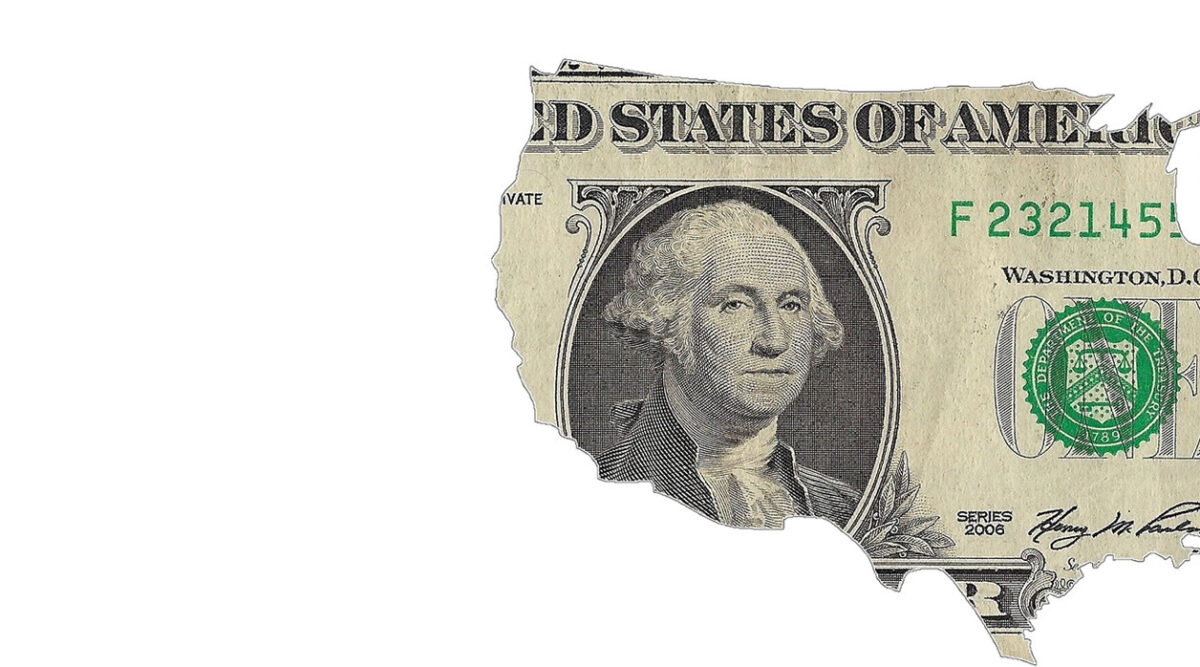
Nigeria Seeks $2 Billion Chinese Loan to Build National “Super Grid” for Reliable Power Supply

  • dollaers
  • October 7, 2025
  • Finance
  • 0 comments

Nigeria is currently in talks with China’s Export-Import Bank to secure a $2 billion loan aimed at financing a new “super grid” project that will transform the nation’s electricity transmission system. The initiative seeks to resolve Nigeria’s persistent power supply challenges and stimulate industrial growth by ensuring more stable and efficient electricity distribution nationwide.

Government’s Power Sector Vision

The Minister of Power, Adebayo Adelabu, announced the plan during an economic summit in Abuja, emphasizing that the new super grid will connect Nigeria’s eastern and western regions — areas that host the country’s largest industrial consumers. The project, he explained, is part of the federal government’s broader agenda to decentralize power generation and encourage industrial users who have disconnected from the unreliable national grid to return.

“This is part of our plan to decentralize power generation in Nigeria and get the heavy commercial users that left the grid due to unreliability to return,” Adelabu stated.

He further revealed that the Federal Executive Council (FEC) has already approved financing for the project, underscoring its priority status within President Bola Tinubu’s economic reform agenda.

Why Nigeria Needs a Super Grid

Nigeria’s fragile power infrastructure has long been a major constraint on economic productivity. Despite an installed generation capacity of about 13 gigawatts, only a fraction—approximately 4 gigawatts—is typically delivered to consumers across a population exceeding 200 million.

For comparison, South Africa, with just a quarter of Nigeria’s population, boasts an installed capacity of around 70 gigawatts. This stark contrast highlights the scale of Nigeria’s power deficit.

The unreliability of the grid has forced many industries and households to generate their own power, often through diesel and gas generators, which account for nearly half of the electricity consumed nationwide. The proposed super grid aims to modernize transmission infrastructure, improve efficiency, and expand power access to industrial clusters.

Boosting Industrial Productivity and Energy Access

Adelabu explained that the new super grid will not only reduce transmission losses but also ensure more power reaches industrial zones, supporting the government’s goal of boosting local manufacturing and reducing operational costs for businesses.

The initiative aligns with President Tinubu’s comprehensive economic reforms, which include:

  • Removing fuel subsidies to free up government revenue.

  • Reforming tax laws to encourage investment.

  • Enhancing oil production through improved security in the Niger Delta.

  • Stabilizing the financial sustainability of the power sector.

Improved Revenue from Tariff Adjustments

According to the Power Minister, recent tariff adjustments for urban consumers have started yielding results, increasing the sector’s revenue by 70% in 2024, with projections suggesting an additional 41% rise to N2.4 trillion ($1.6 billion) in 2025. These adjustments are intended to create a more financially viable electricity market that can attract private investment and support infrastructure upgrades like the super grid.

Nigeria’s Persistent Grid Collapse Problem

Despite multiple reform efforts, grid collapses remain a recurring issue in Nigeria’s power sector. Data from the Nigerian Electricity Regulatory Commission (NERC) shows that the national grid experienced several partial and total collapses in 2024, highlighting the sector’s vulnerability to technical and infrastructural faults.

In March 2024, widespread outages were reported after the national grid went down, plunging several states into darkness. A similar collapse occurred again in September, reinforcing the urgency for significant transmission system upgrades.

What Lies Ahead

The proposed $2 billion super grid project could mark a turning point in Nigeria’s decades-long struggle with unreliable electricity supply. If successfully executed, it is expected to:

  • Enhance power stability across the country.

  • Boost industrial output through reliable energy access.

  • Reduce dependence on self-generation and fossil fuels.

  • Encourage foreign and local investment in the energy sector.

As Nigeria seeks to industrialize and diversify its economy, improved electricity infrastructure remains a critical foundation for sustainable growth. The partnership with China’s Exim Bank—if finalized—could provide the necessary financing and technology to make the long-awaited transformation of Nigeria’s power sector a reality.

Africa Must Invest in AI to Protect Its Digital Future – Abasiama Idaresit

  • dollaers
  • October 7, 2025
  • Finance
  • 0 comments

The global artificial intelligence (AI) industry is projected to reach $4.8 trillion by 2033, according to the United Nations — a figure surpassing the combined GDP of all 54 African countries. With over $650 billion invested in AI in the past decade, the world’s fourth industrial revolution is accelerating rapidly.

Yet, as the digital divide widens, Africa risks being left behind. Technology entrepreneur Abasiama Idaresit, CEO of Wild Fusion Holdings, warns that without strategic investment in AI and data infrastructure, the continent could lose control of its digital sovereignty — and its future.

Africa’s Underinvestment in Data Infrastructure

Despite housing 17% of the world’s population, Africa accounts for just 1% of global digital infrastructure. This imbalance, Idaresit argues, leaves the continent vulnerable to digital colonization, biased algorithms, and economic dependency on external powers.

“Without consistent investment in data and AI systems, Africa will depend on others for the technology that shapes its destiny,” he explained. “That dependency will widen the poverty gap and drain economic value from the continent.”

AI, he noted, will soon power nearly every aspect of society — from healthcare and education to defence, agriculture, and creative industries. To secure its place in this future, Africa must invest now.

Turning Data into an Economic Asset

Idaresit urged African policymakers to treat data as the new oil — a resource that must be harnessed, not exported raw. Comparing data extraction to the export of unprocessed commodities, he warned that Africa could repeat the same historical mistakes if it doesn’t build capacity to refine and use its own data.

He emphasized that huge opportunities exist in the early stages of the AI value chain — particularly in data sourcing, labeling, cleaning, and preparation. These stages, often overlooked, are crucial for training accurate AI models and can generate billions in value.

“Data labeling alone is a $22.46 billion industry, growing at over 20% annually,” he said. “With Africa’s youthful population and competitive labor costs, we can capture a significant share of this market while ensuring diverse, representative datasets.”

African firms such as Lelapa and Sama already provide data annotation services for global AI companies — proof, he said, that the opportunity is real and scalable.

Building Digital Sovereignty and Inclusive AI

At the heart of Idaresit’s advocacy is digital sovereignty — the ability for nations to control their own data, protect intellectual property, and shape technologies that reflect their values.

“The core of AI is data accuracy,” he explained. “African companies that build precise and representative datasets are not just service providers; they are defenders of our technological independence.”

Speaking recently at a UN-backed AI for Developing Countries Conference in Vienna, Idaresit reiterated that Africa must define its digital destiny. “We missed the first three industrial revolutions. We cannot afford to miss the fourth,” he said.

A Call to Action for Policymakers and Investors

Across the continent, progress is emerging. The African Union has launched a continental AI strategy, and countries such as Nigeria, Kenya, Egypt, and South Africa are developing national AI frameworks.

Still, Idaresit insists that more must be done to attract both local and foreign investment. “Africa can — and must — become part of the global AI value chain,” he urged. “If we remain passive, we’ll face a future shaped by biased technologies that threaten our culture, economy, and identity.”

He concluded with a powerful reminder drawn from African wisdom:

“There is no beauty but the beauty of action.”

About Abasiama Idaresit

Abasiama Idaresit is the CEO of Wild Fusion Holdings, a technology and venture investment group with interests in digital banking, marketing, and training across Nigeria, Ghana, and Kenya. Recognized by the UN-backed MIPAD Top 100 and France’s Choiseul Institute’s Top 200 Under 40 Economic Leaders, he is a prominent advocate for digital inclusion and youth development.

Through his work with LEAP Africa, supported by Mastercard and the Gates Foundation, Idaresit continues to champion innovation, financial inclusion, and technology-driven progress across the continent.

Nigeria’s $6.4 Billion Nollywood Faces Legal Threats Without Stronger IP Protection

  • dollaers
  • October 6, 2025
  • Law
  • 0 comments

Nigeria’s Nollywood industry, now worth an estimated $6.4 billion, continues to shine on the global stage with blockbuster releases and partnerships with global studios. But according to Omotayo Inakoju, Head of Legal at EbonyLife Group, the industry’s rapid growth risks collapse without urgent reform to its intellectual property (IP) framework.

In a wide-ranging discussion, Inakoju—who has worked with Netflix, BBC Studios, and Sony Pictures—outlined how piracy, idea theft, and weak contract enforcement remain Nollywood’s biggest unseen enemies.

Weak IP Laws Threaten Creative Growth

Despite Nigeria’s growing creative export power, Inakoju warned that idea theft and uncredited work have become rampant. Many producers, she said, fail to secure adaptation rights or formalize ownership before production.

“Adapting a book without the author’s consent is still infringement, no matter how you change the format,” she explained. “And denying writers or crew proper credit isn’t an oversight—it’s a violation of their legal right.”

Such issues, she added, not only rob creatives of recognition but also discourage investors wary of potential legal battles.

Piracy Still Bleeding the Industry

Digital piracy remains one of Nollywood’s deepest wounds. Inakoju recounted handling a case where a client’s film appeared online without authorization.

“Imagine finding your movie streaming on a website you’ve never heard of. It’s a nightmare,” she said. “Even when the film is taken down, the financial loss and emotional toll are immense.”

Platforms like Telegram and YouTube have become hotbeds for unauthorized uploads, making enforcement difficult and compensation nearly impossible. While Nigeria’s new copyright law allows creators to request takedowns, enforcement remains painfully slow.

Contracts and Legal Literacy Remain Weak Links

Inakoju believes many of Nollywood’s legal issues stem from a lack of legal education among creatives. Few register their businesses with the Corporate Affairs Commission (CAC) or formalize ownership of their work.

“Some writers think CAC registration doesn’t apply to them,” she said. “But it’s the foundation for getting funding or recognition as a legitimate business.”

She also warned filmmakers to avoid signing vague or one-sided contracts that transfer ownership of creative rights without clarity. “Always watch for words like ‘assign’ or ‘transfer’—they can mean you’re giving away your work completely.”

Building Investor Confidence Through Legal Reform

For Nollywood to attract serious investment, Inakoju argued, Nigeria needs stronger investor protections and clearer legal structures. She recommended standardized contract templates, entertainment tribunals for faster dispute resolution, and transparent reporting for film revenues.

“Investors want assurance that their money and rights are protected,” she said. “Structured investment policies would help unlock more capital for filmmakers.”

A Call for Dedicated Entertainment Tribunals

To ensure faster justice, Inakoju proposed the creation of dedicated entertainment tribunals—specialized courts handling film, music, and creative industry cases.

“Delays in litigation kill value,” she explained. “A tribunal would make enforcement faster and cheaper, helping both creatives and investors.”

She also urged the Nigerian government to sign more international IP treaties and create a digital IP registry where creators can easily record ownership and track unauthorized use of their works.

Looking Ahead: A More Structured Nollywood

Despite the challenges, Inakoju is optimistic. She envisions a Nollywood guided by strong institutions and collective regulation rather than informal practices.

“My biggest hope is a structured industry that protects everyone’s rights,” she said. “We’ve relied on general copyright laws for too long. It’s time for film-specific legislation that recognizes the realities of production, streaming, and digital distribution.”

As Nollywood continues to define African storytelling globally, the question is not just how many films it produces—but whether Nigeria’s legal framework can keep pace with its creative ambition.

  • dollaers
  • October 6, 2025
  • Business
  • 0 comments

Nigeria’s consumer goods sector has rebounded strongly in the first half of 2025, marking one of its best performances in recent years. After battling inflation, foreign exchange instability, and weak consumer demand in 2024, many of the country’s top consumer goods firms have turned the corner with impressive profitability and operational resilience.

Sector Recovers from Turbulence

The listed consumer goods companies on the Nigerian Exchange (NGX) collectively recorded a sharp rise in profitability between January and June 2025. The turnaround was driven by tariff adjustments, cost optimization, and improved foreign exchange stability, which together boosted margins and restored investor confidence in the sector.

While inflation remains a challenge for most producers, improved pricing power and supply chain efficiencies helped major players achieve robust top-line and bottom-line growth.

BUA Foods Leads the Pack

BUA Foods Plc emerged as Nigeria’s most profitable consumer goods company in H1 2025, posting an exceptional ₦260.07 billion profit after tax (PAT). The company’s dominance reflects its strong market share in sugar, flour, and packaged foods, coupled with economies of scale that shielded it from input cost volatility.

With its vertically integrated operations, BUA Foods continues to benefit from self-sufficiency in raw materials and an expanding export base, consolidating its position as one of Nigeria’s most stable blue-chip manufacturers.

Brewers Return to Profitability

The brewing segment staged one of the most dramatic recoveries in the sector. Nigerian Breweries Plc, which suffered heavy losses in 2024, returned to a ₦88.42 billion profit in H1 2025, thanks to strategic price revisions, cost controls, and the integration of Distell Nigeria.

Similarly, International Breweries Plc delivered strong revenue and profit growth, securing the third spot on the profitability list. Both companies benefited from resilient consumer demand for alcoholic beverages and a revival in on-trade sales during festive periods.

Resilient Mid-Tier Players Show Promise

Beyond the industry giants, mid-sized and smaller firms also delivered encouraging results. Vitafoam Nigeria Plc, Champion Breweries Plc, and Northern Nigeria Flour Mills Plc (NNFM) reported solid earnings growth and improving returns on equity despite operating in niche markets.

These firms have leveraged localized production, efficient distribution, and targeted pricing to protect margins amid intense competition. NNFM, for example, recorded a ₦1.80 billion PAT in H1 2025, nearly doubling its ₦966 million result from the same period in 2024.

With revenue of ₦21.09 billion and a net margin of 9%, NNFM’s financials highlight its ability to convert limited scale into meaningful profitability. The company’s earnings per share (EPS) stood at ₦10.11, and its price-to-earnings (P/E) ratio of 9.26x indicates a relatively undervalued stock compared to its peers.

Winners and Laggards

While the top 10 list is dominated by strong performers, several legacy players are still struggling to regain momentum. Companies such as Dangote Sugar Refinery, PZ Cussons Nigeria, Guinness Nigeria Plc, and Honeywell Flour Mills Plc posted losses during the period.

Analysts attribute their underperformance to high production costs, FX exposure, and weak consumer spending in certain categories. Nevertheless, their ongoing restructuring efforts and investments in backward integration could yield positive outcomes in the second half of the year.

Sector Outlook: Resilience Amid Headwinds

The first half of 2025 has proven that Nigeria’s consumer goods industry remains resilient even in tough economic conditions. The sector’s rebound demonstrates the effectiveness of corporate adaptation strategies — from cost management to product diversification and market repositioning.

With inflation beginning to moderate and the exchange rate showing signs of stability, analysts expect continued improvement in profitability into 2026.

According to market watchers, the sector’s recovery will likely strengthen further if consumer purchasing power improves and the government sustains policy consistency in fiscal and trade management.

Key Takeaway

Nigeria’s consumer goods companies have shown that profitability is achievable even in a challenging macroeconomic environment. BUA Foods, Nigerian Breweries, and International Breweries lead the charge, but emerging players like Vitafoam and NNFM prove that operational efficiency and prudent financial management can deliver strong returns at any scale.

As the sector continues to evolve, investors are likely to keep a close eye on the next earnings cycle — one that could define which firms sustain momentum and which fall behind in Nigeria’s increasingly competitive consumer market.

Below is a glimpse of how the top performers fared and who made the cut.

Sector Recovery: Margin Gains and Select Winners

Several companies leveraged tariff adjustments, improved foreign exchange stability, and operational efficiencies to widen margins and boost bottom lines. Many recovered from deep 2024 losses, while smaller firms like Vitafoam, Champion Breweries, and Northern Nigeria Flour Mills (NNFM) posted sharp earnings gains. Some legacy names, however—Dangote Sugar Refinery, PZ Cussons, Guinness Nigeria, Honeywell Flour Mills—continued to post losses, reflecting uneven recovery.

The Top 10 Profitable Consumer Goods Players in H1 2025

Here are the Top 10 listed consumer goods firms by Profit After Tax (PAT) in H1 2025 (from least to highest):

Rank Company Approx PAT / Remarks
10. Northern Nigeria Flour Mills Plc Recorded ₦1.80 billion PAT (up from ₦966 million in H1 2024), with revenue of ₦21.09 billion. Net margin ~9%.
9. Champion Breweries Plc Strong recovery among the breweries segment, showing improved efficiency and narrowing losses.
8. Vitafoam Nigeria Plc Solid rebound in foam and mattress business, aided by better input sourcing and demand uptick.
7. Cadbury Nigeria Plc Benefited from strong confectionery sales and improved cost control amid volatile raw material pricing.
6. Unilever Nigeria Plc Recovered via stable brand portfolio, price adjustments, and rebalanced product mix.
5. NASCON Allied Industries Plc Gains from seasoning and food business, driven by pricing power and local sourcing.
4. International Breweries Plc Notable return to profitability in the brewing sector, supported by volume recovery and margin expansion.
3. Nestlé Nigeria Plc Strong performance in food and beverage brands, leveraging premium positioning and stable demand.
2. Nigerian Breweries Plc Recovered from 2024 losses to post a strong PAT, aided by Distell integration and cost optimization.
1. BUA Foods Plc Dominated the list with ₦260.07 billion PAT, cementing its leadership in food, sugar, flour, and allied segments.

What This Tells Us

  • Scale and diversification matter: BUA Foods’ dominance reflects strong vertical integration and a broader product mix that buffered it from volatility.

  • Rebound with discipline: Brewers and food firms that survived 2024 did so via pricing, tightening costs, and protecting margins.

  • Room for mid-tier growth: Companies like NNFM and Vitafoam, while smaller in scale, are proving that niche players can deliver solid returns with the right strategy.

  • Continued headwinds for some: Even with sector momentum, some legacy consumer goods names remain under pressure, highlighting that recovery is still uneven.

Continue Reading

Nigerian Breweries Posts Strong Comeback, Generates Over ₦738 Billion in Half-Year Revenue

  • dollaers
  • October 6, 2025
  • Business
  • 0 comments

Nigerian Breweries Plc (NB), one of Nigeria’s oldest and largest brewers, has recorded a major turnaround in its 2025 half-year financial results, reporting strong revenue growth and a return to profitability after a turbulent 2024.

The company announced a ₦738.14 billion revenue in the first half of 2025, representing a 53.85% surge from ₦479.77 billion posted during the same period last year. The brewer also moved from a ₦85.2 billion loss in H1 2024 to a ₦88.42 billion profit after tax in H1 2025 — a swing of more than ₦170 billion within a year.

According to its financial statements, the company has already achieved about 68% of its 2024 full-year turnover, positioning it for one of its strongest fiscal years in recent history.

Growth Fueled by Revenue Strength and Cost Discipline

Nigerian Breweries’ recovery was driven by a combination of higher sales volumes, strategic price adjustments, and improved cost management. Revenue climbed steadily throughout the second quarter, reaching ₦354.51 billion, while gross margins expanded to 42.13%, supported by slower growth in cost of sales (up 33.45% year-on-year).

The brewer also benefited from a sharp decline in finance costs following its rights issue in 2024, which helped reduce foreign currency exposure and interest payments. These improvements have created room for better cash generation and operational efficiency.

Beyond Beer: A Broad Beverage Empire

While best known for iconic lagers such as Star, Gulder, and Heineken, Nigerian Breweries has evolved into a diversified beverage powerhouse. Its product lineup now includes Legend Stout, Amstel Malta, Fayrouz, and an expanding portfolio of wines and spirits through the acquisition of Distell Nigeria in March 2025.

The company distributes across multiple channels — retail markets, on-trade outlets like bars and restaurants, and off-trade distributors — giving it unmatched reach and brand loyalty across the country.

This diversity has been a strategic advantage, allowing NB to defend market share and pass through price increases even in a high-inflation environment.

Where the Billions Come From

NB’s robust revenue performance reflects resilient demand for alcoholic and non-alcoholic drinks amid improving consumer confidence.

Key financial highlights for H1 2025 include:

  • Revenue: ₦738.14 billion, up 53.85% year-on-year

  • Gross Profit: ₦310.99 billion, reflecting a 94.76% increase

  • Operating Profit: ₦151.9 billion, with a 20.6% margin

  • Profit After Tax: ₦88.42 billion, reversing a prior-year loss

The company attributes the growth to price adjustments, strong festive season sales, and the successful integration of Distell Wines & Spirits Nigeria, which broadened its premium product offering.

Competition and Market Position

Despite growing competition, Nigerian Breweries remains the largest player in Nigeria’s beer market. In comparison, International Breweries reported ₦340.99 billion in revenue in H1 2025, while Guinness Nigeria recorded ₦259.6 billion — both reflecting healthy sectoral growth but still far behind NB in scale and distribution reach.

How the Brewer Spends Its Billions

In the first half of 2025, Nigerian Breweries maintained a disciplined approach to cash deployment:

  • ₦31.1 billion invested in property, plant, and equipment

  • ₦116.84 billion used for debt repayment

  • ₦43.8 billion paid in taxes to government

  • ₦19.65 billion in net finance costs, a significant drop from ₦154.48 billion in H1 2024

The company also recorded a ₦7.32 billion foreign exchange gain, reversing the massive losses it faced the previous year, while maintaining cash reserves of ₦77.7 billion.

Creating Value for Stakeholders

Nigerian Breweries’ operations directly benefit thousands across its value chain. Over 3,000 employees receive wages, pensions, and benefits; government revenues rise through taxes and excise duties; and shareholders gain from stronger retained earnings and a healthier equity base of ₦549.5 billion, up from ₦463.9 billion a year earlier.

The brewer’s steady investment in equipment, debt reduction, and innovation signals a clear strategy for long-term stability and expansion.

Outlook: Brewing Confidence for the Future

Analysts say NB’s 2025 half-year performance underscores its resilience in navigating Nigeria’s volatile economic environment. By tightening cost controls, deleveraging its balance sheet, and expanding its beverage mix, the company has positioned itself to sustain profitability even in challenging conditions.

If the growth trajectory continues through the second half, Nigerian Breweries could surpass its 2024 performance and further consolidate its leadership in the country’s fast-moving consumer goods sector.

With stronger fundamentals and a revitalized product portfolio, the brewer appears ready to keep Nigeria’s favorite drinks — from beers to malts and spirits — flowing across bars, homes, and markets nationwide.

Over 1.4 Million Nigerian Farmers Now Covered by Agricultural Insurance – NAICOM

  • dollaers
  • October 6, 2025
  • Business
  • 0 comments

Nigeria’s agricultural sector is witnessing a major boost in financial protection, as more than 1.47 million smallholder farmers across the country are now covered under various agricultural insurance schemes, according to the National Insurance Commission (NAICOM).

The development marks a critical step in de-risking agriculture, protecting farmers from climate and market shocks, and positioning insurance as a key driver of productivity and food security.

Expanding Insurance Coverage for Farmers

Speaking at the 2025 Stakeholders’ Retreat of the House Committee on Insurance and Actuarial Matters in Maiduguri, the Commissioner for Insurance and NAICOM Chief Executive Officer, Olusegun Omosehin, said the coverage expansion was largely achieved through the Nigeria Incentive-Based Risk Sharing System for Agricultural Lending (NIRSAL).

Omosehin disclosed that NIRSAL’s agricultural insurance initiative aims to reach 3.6 million farmers by 2026, with significant progress already recorded across multiple states.

“In the second quarter of 2025 alone, over 250,000 farmers were insured across eight states under various federal agricultural insurance schemes,” he said. “To date, 1.47 million smallholder farmers have been covered under NIRSAL’s agricultural insurance programmes, and we are on track to reach 3.6 million by next year.”

Insurance as a Catalyst for Productivity

Omosehin highlighted how insurance is beginning to transform the dynamics of agricultural production in Nigeria, particularly by enabling farmers to take more informed risks and recover faster from losses.

In the North Central region, for example, insured rice farmers recorded an 11% increase in productivity compared to their uninsured peers, averaging 20 bags per hectare versus 18.

He also cited success stories from Kaduna State, where ginger farmers received compensation under the NAGS-AP scheme after losing over 90% of their harvest due to extreme weather conditions.

“Agriculture remains the backbone of Nigeria’s rural economy, yet it is also one of the most vulnerable sectors to climate shocks, floods, and pest outbreaks,” Omosehin said. “Insurance provides a vital safety net that allows farmers to invest confidently and recover quickly when disruptions occur.”

Beyond crops, NAICOM noted that livestock and encroachment insurance in Sokoto, Bauchi, Adamawa, and Plateau States has helped reduce farmer-herder conflicts—one of the most persistent challenges threatening Nigeria’s agricultural stability.

Strengthening the Regulatory Framework: NIIRA 2025

Omosehin used the occasion to emphasize the importance of the Nigerian Insurance Industry Reform Act (NIIRA) 2025, describing it as a landmark piece of legislation that modernizes the country’s insurance framework and enhances regulatory effectiveness.

He called on lawmakers and government agencies to collaborate closely with NAICOM to ensure the full implementation of compulsory insurance provisions and promote compliance across ministries, departments, and agencies (MDAs).

“The NIIRA 2025 law has been enacted, but the real work is just beginning,” he stated. “We need the support of the National Assembly to ensure alignment between federal and state policies, strengthen enforcement, and raise awareness about compulsory insurance obligations.”

According to him, the new law consolidates decades of fragmented legislation into a single, modern legal framework designed to empower regulators, protect consumers, and drive innovation in the sector.

Key Provisions of NIIRA 2025

Signed into law by President Bola Tinubu in August 2025, the NIIRA introduces sweeping reforms aimed at repositioning Nigeria’s insurance industry for global competitiveness and supporting the administration’s vision of a $1 trillion economy.

The Act introduces stricter capital requirements for insurers and reinsurers, mandatory enforcement of compulsory insurance across critical sectors, and digitization mandates to improve service delivery and data integrity.

It also strengthens NAICOM’s authority to supervise and regulate all insurance and reinsurance operations in the country, ensuring higher standards of transparency and accountability.

Looking Ahead

As Nigeria grapples with the twin challenges of food insecurity and climate risk, NAICOM’s expansion of agricultural insurance is emerging as a strategic lifeline for millions of farmers.

With nearly 1.5 million already covered and a goal to more than double that number by 2026, the Commission believes insurance will become a cornerstone of national agricultural policy—helping farmers transition from subsistence to commercial production while ensuring stability and growth in the wider economy.

“If we get agricultural insurance right,” Omosehin concluded, “we will unlock unprecedented productivity, safeguard livelihoods, and build resilience in one of Nigeria’s most critical sectors.”

Nigeria’s Active Oil Rigs Hit 69 as NUPRC Reports Strong Industry Rebound

  • dollaers
  • October 6, 2025
  • Business
  • 0 comments

Nigeria’s oil and gas industry is experiencing a strong comeback, with the number of active drilling rigs rising to 69 as of October 2025, up from just eight in 2021, according to new data from the Nigerian Upstream Petroleum Regulatory Commission (NUPRC).

The sharp increase, the regulator said, reflects renewed investor confidence in Nigeria’s upstream petroleum sector and signals that government reforms and regulatory transparency are beginning to yield tangible results.

Reforms Driving Investor Confidence

Marking its fourth anniversary, the NUPRC highlighted how its policies have transformed the nation’s upstream environment into one that prioritizes efficiency, accountability, and investment growth.

In a statement by Eniola Akinkuotu, Head of Media and Strategic Communication, the Commission noted that the rise in rig activity aligns with President Bola Tinubu’s call for renewed investor engagement and reflects a more stable operational environment.

“This growth clearly demonstrates renewed investor confidence in Nigeria’s oil and gas industry,” the statement read. “The trend is expected to continue upward as more companies ramp up drilling and exploration activities.”

“Drill or Drop” Policy Enforcing Accountability

One of the Commission’s key initiatives—the ‘Drill or Drop’ policy—has been instrumental in enforcing asset utilization across the sector.
The policy, introduced under the Petroleum Industry Act (PIA) 2021, mandates that companies must either actively explore their licensed acreages or relinquish them.

NUPRC said it has so far identified over 400 dormant oil fields under this framework and pushed companies to take swift action to avoid losing undeveloped assets. This approach, the agency emphasized, ensures optimal use of Nigeria’s hydrocarbon resources and reduces speculation in asset holding.

Billions in Divestments and New Regulations

To consolidate transparency and modernization, the NUPRC has developed 24 regulatory frameworks, with 19 already gazetted and five awaiting final approval.
These rules are designed to improve investor confidence, align Nigeria’s operations with international standards, and remove bureaucratic bottlenecks.

The Commission also oversaw several multi-billion-dollar divestments in 2024, including deals involving Agip, Equinor, Mobil, and Shell, as global oil majors shifted focus toward deepwater projects while local firms expanded onshore operations.
Among them were transactions such as Agip’s sale to Oando Energy Resources, and Shell’s divestment to Renaissance Africa Energy, which the Commission described as part of an ongoing portfolio realignment in the industry.

Tackling Gas Flaring and Boosting Community Development

The regulator also highlighted major progress in reducing gas flaring through the Nigerian Gas Flare Commercialisation Programme (NGFCP), which has attracted up to $2.5 billion in new investments.
NUPRC confirmed that awards for several flare sites have been completed, marking a critical milestone toward environmental sustainability and cleaner energy adoption.

On the community front, the Host Community Development Trusts (HCDTs)—a key PIA initiative—have received over ₦122 billion and $168 million, translating to more than ₦358 billion in total contributions.
These funds are financing over 500 community projects across Nigeria, including schools, hospitals, roads, and vocational centers.

The Commission noted that the initiative has also reduced crude oil theft by 90%, from 102,900 barrels per day in 2021 to just 9,600 barrels per day in September 2025.
It credited this to coordinated efforts between the security agencies, private contractors such as TANTITA, and the Commission’s oversight.

Strengthening Transparency and Safety Oversight

The NUPRC emphasized its commitment to transparency through digital transformation and open licensing rounds.
It described the latest bid round as the most transparent in Nigeria’s history, conducted entirely through digital platforms and free from political interference—a development confirmed by the Nigeria Extractive Industries Transparency Initiative (NEITI).

In addition, the Commission announced that it had revoked the license of the Oritsemeyin Rig after a drilling incident at the UDIBE-2 well raised safety concerns. The decision followed investigations into the “kick” incident that disrupted operations and caused significant downtime.

A New Era for Upstream Growth

With a record 69 active rigs, increasing investments, and new regulatory clarity, Nigeria’s upstream sector appears to be entering a new era of sustained growth.
For the NUPRC, these gains underscore its broader mission—to make Nigeria a top destination for oil and gas investment while promoting accountability, transparency, and environmental responsibility.

10 Global Nigerians Redefining Success with Multimillion-Dollar Ventures

  • dollaers
  • October 5, 2025
  • Business
  • 0 comments

Across the world’s leading financial capitals—from London and New York to Los Angeles and Lagos—Nigerians in the diaspora are quietly reshaping the global business landscape. These entrepreneurs have built multimillion-dollar companies that not only compete internationally but also redefine what it means to export Nigerian excellence.

Their ventures span industries as diverse as fintech, fashion, infrastructure, and consumer goods. Beyond profit, their work represents a new wave of influence—one powered by innovation, resilience, and the fusion of Western business systems with African creativity.

From Migration to Global Impact

For decades, migration stories often centered around brain drain and remittances. Today, that narrative has changed dramatically. The Nigerian diaspora has become a global force for wealth creation, channeling intellectual, financial, and technological capital into ventures that rival established international brands.

This generation of founders demonstrates that Nigeria’s entrepreneurial energy knows no borders. Through smart partnerships and bold leadership, they are building bridges between continents—proving that being Nigerian is not a limitation but a global advantage.


Alexander Amosu — The Visionary Behind Lux Afrique

Leading this global wave is Alexander Amosu, a British-Nigerian entrepreneur and creative pioneer whose career embodies innovation and persistence. Born in London to Nigerian parents, Amosu began his entrepreneurial journey at a young age, identifying unique cultural and market opportunities long before they became mainstream.

At just 24, Amosu made his first fortune through Rnbringtones, Europe’s first urban ringtone company. The business catered primarily to the Black community, filling a gap in the mobile entertainment market and quickly becoming a multimillion-pound success. Within three years, the company was generating nearly £10 million in annual revenue. Amosu later sold it for the same amount, capitalizing on the market’s peak.

But his ambitions extended beyond digital media. He ventured into luxury design, founding a brand that became synonymous with exclusivity and craftsmanship. Amosu created bespoke, diamond-encrusted devices for top brands such as Apple, Motorola, and BlackBerry. His most famous creation, the Amosu Call of Diamond iPhone 6, was valued at $2.75 million, featuring 18-karat gold and over 6,000 VVS1 diamonds.

Today, Amosu leads Lux Afrique, a pan-African luxury and concierge company that connects high-end global brands with Africa’s wealthiest clientele. Through curated experiences like the Lux Afrique Polo Day, the brand celebrates African affluence, elegance, and culture while bridging the gap between international luxury and the continent’s growing elite market.

The Rise of a Global Nigerian Identity

The achievements of Amosu and other diasporan entrepreneurs reveal a powerful transformation: Nigeria’s reputation abroad is no longer defined solely by migration but by innovation and wealth creation. These individuals are changing global perceptions by proving that Nigerian business excellence can thrive anywhere.

Their success stories reflect not just personal triumphs but the evolution of a nation’s global identity. As they expand their companies, invest in new ventures, and mentor future leaders, these entrepreneurs continue to show that Nigeria’s greatest export is not oil or minerals—it’s talent.

This movement represents the next chapter of Nigeria’s economic story: one written not just in Lagos or Abuja, but in every global city where Nigerians are redefining what’s possible.

Atlanta Mayor Commends Fidelity Bank for Strengthening Africa-U.S. Business Ties

  • dollaers
  • October 5, 2025
  • Fintech
  • 0 comments

The Mayor of Atlanta, Andre Dickens, has commended Fidelity Bank Plc for hosting the 2025 Fidelity Nigeria International Trade and Creative Connect (FNITCC), describing the conference as a vital bridge linking African entrepreneurs with global markets.

Held over the weekend in Atlanta, Georgia, the event attracted business leaders, investors, policymakers, and creative professionals from both Nigeria and the United States. The conference showcased Nigeria’s growing non-oil export potential and highlighted opportunities for collaboration between Africa’s largest economy and one of America’s most dynamic cities.

Fidelity Bank Reaffirms Commitment to Global Competitiveness

Speaking at the event, Dr. Nneka Onyeali-Ikpe, Managing Director and Chief Executive Officer of Fidelity Bank Plc, reaffirmed the bank’s commitment to helping Nigerian businesses expand globally.

She explained that FNITCC was born out of Fidelity Bank’s strategic goal to transform Nigeria into a diversified, export-driven economy. “Our journey began by empowering small and medium-scale exporters through capacity-building programs in partnership with the Lagos Business School,” she said. “Once they gained the right skills and knowledge, we created this international platform to connect them directly with global buyers. FNITCC is not just an event—it is a movement to position Nigerian businesses for global relevance.”

Dr. Onyeali-Ikpe noted that the bank’s consistent investment in non-oil sectors, particularly agriculture and creative industries, is yielding results. Fidelity Bank, she said, has emerged as Nigeria’s leading financier of non-oil agricultural exports, facilitating partnerships that strengthen the country’s foreign exchange earnings.

She also encouraged participants to take advantage of the event’s sideline sessions, which featured representatives from Nigerian and U.S. regulatory agencies discussing trade compliance, logistics, and financing opportunities.

Atlanta and Lagos Explore Sister-City Partnership

The conference also featured a high-level delegation from Lagos State, led by Governor Babajide Sanwo-Olu, who used the platform to promote the state as a prime destination for investment.

Governor Sanwo-Olu proposed a sister-city partnership between Lagos and Atlanta to deepen trade, tourism, and cultural exchange. “Lagos is open for business,” he declared. “We want to build partnerships that go beyond trade—collaborations that drive innovation, create jobs, and enhance the prosperity of our people.”

In his address, Mayor Andre Dickens praised the collaboration between both cities and highlighted their shared legacies. “Atlanta and Africa are bound by history, creativity, and resilience,” Dickens said. “This conference brings together leaders who are ready to shape the next phase of global business cooperation. From logistics and finance to technology and the creative industries, our similarities are opportunities waiting to be harnessed.”

He also recognized Fidelity Bank’s leadership role in organizing a platform that promotes cross-continental collaboration and strengthens the link between African entrepreneurs and U.S. investors.

FNITCC 2025: Showcasing Nigeria’s Non-Oil Export Strength

Now in its third year, FNITCC has grown into one of Nigeria’s most influential trade promotion events. The 2025 edition featured exhibitions, deal rooms, networking sessions, and a gala dinner that celebrated business partnerships forged during the conference.

Discussions focused on expanding Nigeria’s export reach in the agriculture, fashion, film, and technology sectors, as well as on improving access to U.S. markets through innovative financing and digital trade solutions.

Analysts noted that the event’s success reflects Fidelity Bank’s broader mission to support small and medium enterprises (SMEs) and promote sustainable economic diversification.

Fidelity Bank’s Growing Reputation

Fidelity Bank Plc currently serves over 9.1 million customers across 251 business offices and multiple digital platforms in Nigeria and the United Kingdom. The bank has consistently earned recognition for its innovation and customer-focused services.

Recent awards include the 2024 Excellence in Digital Transformation and MSME Banking Award by BusinessDay’s Banks and Financial Institutions Awards, the Most Innovative Mobile Banking App by Global Business Outlook, and Best Bank for SMEs in Nigeria by Euromoney Awards for Excellence.

Fidelity Bank was also named Export Financing Bank of the Year, underscoring its leadership in supporting Nigeria’s export-driven growth agenda.

The 2025 FNITCC has further solidified the bank’s reputation as a key enabler of trade, investment, and economic collaboration between Africa and the global business community.

  • ‹ Previous
  • 1
  • …
  • 11
  • 12
  • 13
  • 14
  • 15
  • Next ›
Forgot Password
Please enter your email address or username below.
*
 
Login
*
*
Lost Your Password
Dont have account? Signup